





Duty Relief Prospects
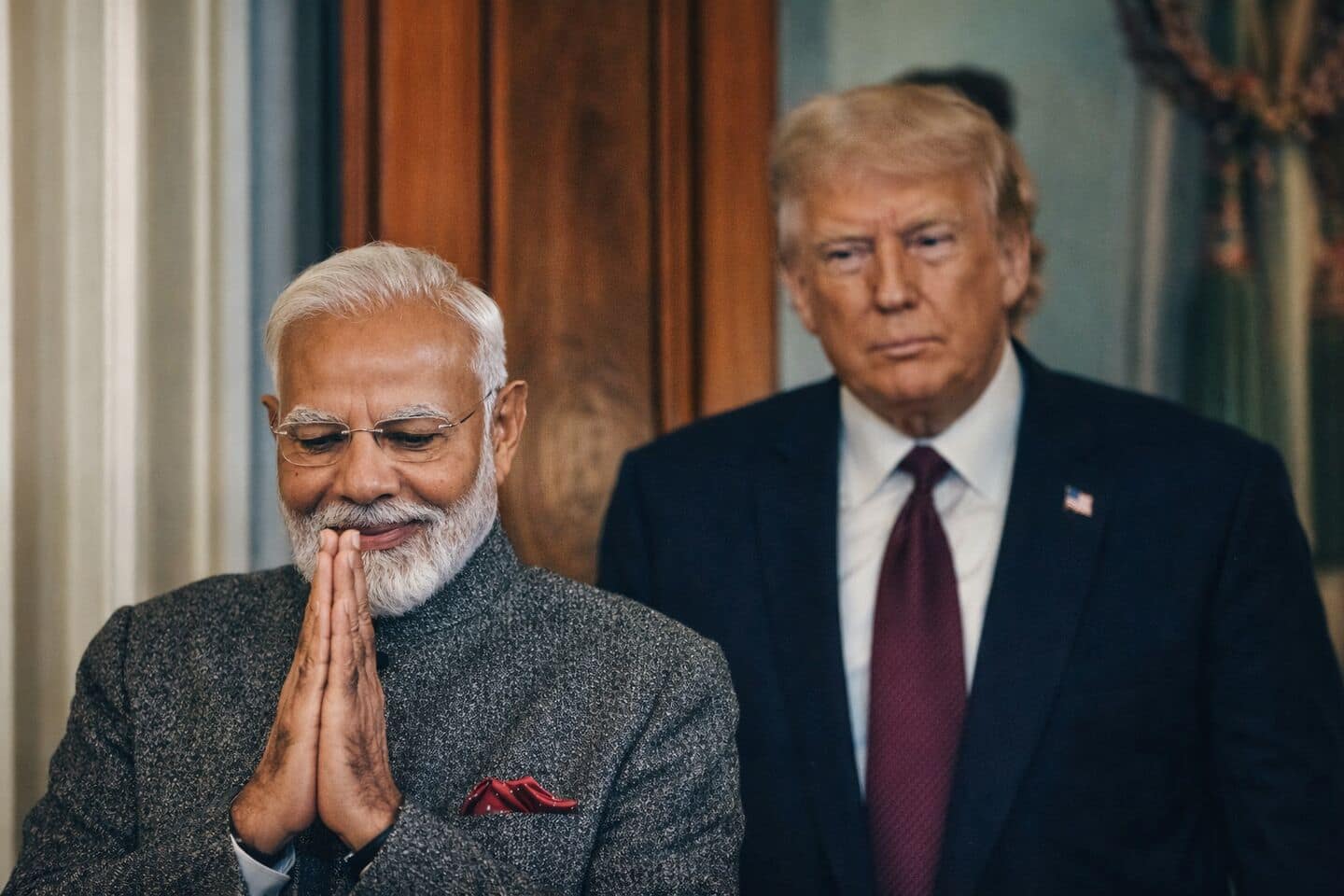
Anticipation is building around a provisional trade pact between India and the United States, which hints at a substantial reduction in import duties for
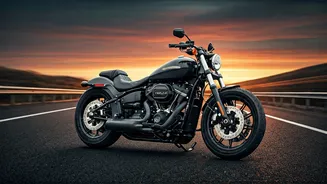
fully assembled motorcycles originating from the US. While official documentation is still pending, early indications suggest that two-wheeled vehicles with engine displacements ranging from 800cc to 1,600cc could soon be exempt from import taxes. Presently, motorcycles falling within this capacity bracket face a considerable levy of approximately 44%, a figure that encompasses both basic customs duty and a social welfare surcharge. The elimination of these financial barriers could translate into more competitive pricing for a selection of high-end motorcycles entering the Indian market. However, the ultimate effect on sales volume will likely be intertwined with prevailing consumer demand patterns and the overall economic climate for premium vehicles. This development holds particular significance for brands that rely on importing their vehicles, as it directly addresses a long-standing challenge of high landed costs.
Sales Performance Insights
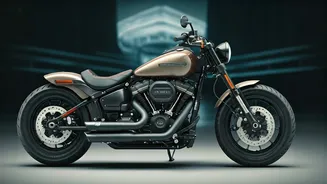
Recent sales figures paint a nuanced picture of the Indian motorcycle market for premium brands. Between April and December of the most recent reporting period, one manufacturer reported selling just 97 units in the 800cc to 1,600cc engine category. This represented a modest year-on-year increase of only 1%, highlighting the niche nature of this segment. Models within this range, often targeted at a younger demographic with a global appeal, include offerings like the Nightster, Sportster S, and Pan America. Despite their modern design and features, their overall sales numbers remain relatively low. In stark contrast, the sales performance for motorcycles exceeding 1,600cc paints a different story, with 90 units sold during the same timeframe, but this figure signifies a notable 15% decrease compared to the prior year. Larger, more traditional cruiser models such as the Fat Bob, Road Glide, and Street Glide appear to be experiencing a decline in popularity in India, signaling a discernible shift in consumer preference away from heavyweight cruisers and towards motorcycles with more accessible mid-capacity engines. The proposed duty-free import access would, therefore, primarily benefit the mid-capacity segment rather than the brand's larger, established cruiser lines.
Strategic Market Impact
The potential reduction in import duties on mid-capacity motorcycles could serve as a crucial step in rectifying existing price disparities that have historically hindered the competitiveness of completely built-up (CBU) imports in India. High import duties were a significant factor that led to the brand's withdrawal from local manufacturing operations back in 2019, a move precipitated by a lack of robust local demand. Subsequent to this exit, the brand re-established its presence in the Indian market through a strategic alliance with a local manufacturer, concentrating its efforts on producing smaller, sub-500cc models designed for local assembly. If the proposed duty relief for imported mid-capacity bikes materializes, it would effectively complement this existing strategy. By making these imported models more economically viable, it could enhance their competitive standing against rivals and potentially contribute to an overall improvement in the brand's sales performance across the diverse Indian automotive landscape, offering consumers a wider range of accessible premium options.