





Smooth Driving Pays
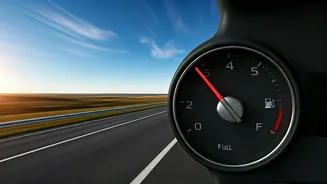
Adopting a more gentle driving style is one of the most straightforward yet impactful strategies for improving your vehicle's fuel economy. Avoid sudden
bursts of acceleration and abrupt braking, as these actions place undue stress on the engine, compelling it to consume more fuel than necessary. Instead, focus on a fluid approach: gradually increase your speed, anticipate upcoming traffic changes, and maintain your vehicle's momentum as much as possible. This smoother operation not only leads to better mileage but also contributes to a reduction in overall wear and tear on critical vehicle components. By making these subtle adjustments to your driving behaviour, you can achieve more kilometers per litre and extend the lifespan of your car.
Steady Speed Benefits
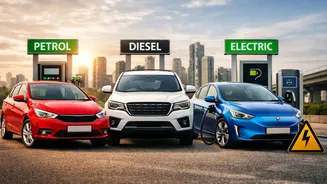
Maintaining a consistent speed is paramount for optimising fuel consumption. Every instance of accelerating requires the engine to expend extra energy and, consequently, more fuel to regain momentum. On open roads or highways, holding a steady pace significantly aids in efficient fuel usage. Even within urban environments, consciously striving to minimise drastic speed variations by observing traffic patterns ahead can make a substantial difference in your car's overall fuel efficiency. Consistent speed reduces the constant demand on the engine to adjust power output, leading to a more economical use of petrol or diesel.
Limit Engine Idling
While it might seem insignificant, prolonged engine idling contributes to a steady and avoidable waste of fuel, particularly in stop-and-go city traffic. Leaving your engine running while stationary at long traffic lights, while waiting outside shops, or during any extended parking situation burns fuel without contributing any distance travelled. Cultivating the habit of switching off your engine during these prolonged stops is a simple yet effective measure that can yield noticeable fuel savings over time, especially for those with daily commutes. Minimising unnecessary engine runtime directly translates to less fuel expenditure.
Vehicle Health Matters
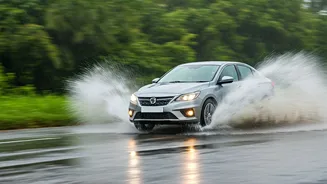
A vehicle that is meticulously maintained operates with superior efficiency. Various factors, such as incorrect tyre pressure, a clogged air filter, or degraded engine oil, can collectively diminish your car's mileage. For instance, tyres that are underinflated create greater rolling resistance, forcing the engine to work harder to propel the vehicle forward. Regular servicing, adhering to recommended oil change schedules, and ensuring all vehicle systems are functioning optimally are crucial steps in sustaining fuel efficiency and enhancing the overall driving performance of your car.
Shed Weight, Plan Journeys
Carrying superfluous weight within your vehicle places an extra burden on the engine, inevitably leading to increased fuel consumption. Items that remain in the boot long after they are needed, unnecessary accessories, or roof racks can all negatively impact your car's efficiency. Furthermore, implementing smarter trip planning—such as consolidating multiple errands into a single outing and strategically avoiding peak traffic hours—can significantly reduce the time spent idling in congestion, thereby further improving your overall mileage. Reducing unnecessary load and optimising journey routes are key to fuel conservation.