







Beyond Aesthetics: The Frits Explained
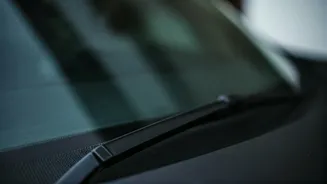
Those small black markings encircling your car's windscreen might seem like a mere design choice, but they are, in fact, functional components known as
'frits.' These are created by applying a specialized black enamel paint that is then permanently fused into the glass during the manufacturing process. You'll typically observe a solid black border along the very edge, which gradually transitions into a pattern of progressively smaller dots as it moves inward. This deliberate design isn't arbitrary; it serves several critical purposes that contribute significantly to your vehicle's overall performance and safety, far beyond simple visual appeal. Understanding their role sheds light on the intricate engineering behind even the most overlooked parts of a car.
Cooling the Glass, Enhancing Vision
One of the primary and most vital functions of these black frits is their contribution to thermal regulation. Windscreens are particularly susceptible to intense heat buildup when exposed to direct sunlight. Without an effective way to dissipate this heat evenly, certain areas of the glass can become significantly hotter than others. This temperature disparity can lead to a phenomenon known as 'lensing,' a visual distortion where straight lines might appear curved or bent. Such distortions can be extremely hazardous, potentially impairing a driver's perception of the road and increasing the risk of accidents. By helping to distribute heat more uniformly across the entire surface of the windscreen, the frits play a crucial role in mitigating the likelihood of lensing and ensuring clearer, safer visibility.
Shielding the Crucial Seal
The windscreen is a critical structural element of your vehicle, typically secured in place by a robust adhesive. The thick black border, which is a denser concentration of frits, serves as a protective barrier for this adhesive. Direct exposure to the sun's powerful ultraviolet (UV) rays and prolonged heat can degrade the adhesive over time, causing it to weaken or even melt. This degradation can compromise the integrity of the windscreen's bond with the car frame, potentially leading to it becoming loose or dislodged, especially under stress. The frits act as a shield, safeguarding the adhesive from these damaging environmental factors and ensuring the windscreen remains securely attached.
Boosting Adhesion and Aesthetics
Beyond their thermal and protective roles, these black dots also contribute to the structural integrity of the windscreen by enhancing its adhesion to the car's frame. The textured surface created by the frits provides a slightly rougher area, which improves the mechanical grip of the adhesive. This increased friction helps to keep the glass firmly and reliably attached to the vehicle body, contributing to the overall rigidity and safety of the car. Furthermore, while their functional benefits are paramount, the black border and dot pattern also serve an aesthetic purpose, providing a clean, finished look to the edge of the windscreen, seamlessly integrating it with the vehicle's design.
When Fading Means Danger
It is essential not to overlook any signs of degradation in these vital black frits. If you notice that the black dots on your windscreen are beginning to fade, wear off, or disappear in certain areas, this is not a cosmetic issue but a potential safety concern. Such fading could indicate that the protective qualities of the frits are diminishing, leaving the underlying adhesive vulnerable to UV damage and heat. If you observe any signs of wear on your windscreen's frits, it is highly recommended to seek a professional inspection at a service station to ensure the continued safety and integrity of your vehicle's windshield.