







Unprecedented Towing Feat
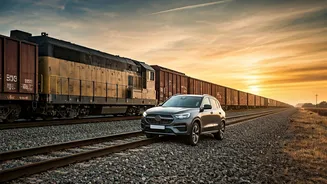
In a remarkable display of power and engineering, an SUV has etched its name in the Guinness World Records for accomplishing what was once thought impossible:
pulling an incredibly heavy train. The challenge saw a stock production vehicle, without any special modifications, successfully haul a train weighing a staggering 406.4 tonnes. This monumental effort was executed over a distance exceeding 300 feet on an active railway track, highlighting the vehicle's immense torque and robust drivetrain. This achievement transcends typical automotive demonstrations, venturing into territory previously dominated by raw human strength and heavy industrial machinery. The record-breaking event underscores the growing capabilities of modern SUVs and their potential for extreme performance scenarios, pushing the boundaries of what consumers expect from their vehicles.
The Power Behind The Feat
The vehicle that accomplished this Herculean task is equipped with a potent 2.0-litre turbo diesel engine, engineered to deliver substantial power and torque for demanding situations. This engine produces 215 horsepower and generates 278 Nm of peak torque, managed by a smooth-shifting 8-speed automatic transmission. Crucially, the SUV also features three locking differentials, a critical component for maintaining traction and control when faced with extreme loads and varied terrain. The fact that this feat was achieved with a completely standard, off-the-shelf model speaks volumes about the vehicle's design and manufacturing integrity. It suggests that the engineers have built in a significant reserve of power and durability, allowing it to perform under such extraordinary circumstances without needing specialized enhancements.
Redefining Towing Standards
Historically, the Guinness World Record for the heaviest train pulled has been a testament to immense human physical exertion. The previous record, set in 1999 by Juraj Barbaric in Slovakia, involved pulling a 20-car freight train weighing 1,000 tonnes over a short distance. This new record, however, shifts the paradigm by showcasing the capabilities of an SUV. It moves the title from the realm of human endurance to automotive engineering prowess. This transition is significant, as it demonstrates how vehicle technology has advanced to the point where mass-produced SUVs can now tackle challenges that were previously considered beyond their scope. It's a clear indicator of the evolutionary leap in powertrain performance, drivetrain technology, and overall vehicle resilience in the automotive sector.
Positioning in the Market
This record-setting vehicle is being positioned as a premium offering within its segment, designed to slot above existing models in the brand's lineup. It's presented as a large, well-equipped SUV aimed at discerning buyers who seek a more substantial and capable vehicle. The unveiling earlier this year provided a glimpse into its design and features, hinting at its target audience. The pre-launch marketing strategy, incorporating this Guinness World Record attempt, serves to generate significant buzz and momentum. By undertaking such a high-profile and unusual challenge, the brand is effectively drawing attention to the SUV's considerable size, impressive torque output, and its inherent towing capabilities. This tactic aligns with a broader industry trend of manufacturers using extreme demonstrations to highlight their vehicles' strengths ahead of commercial release.