






A Culinary Landscape
Train journeys in the 1990s were characterized by a slower pace and a unique sense of camaraderie, where meals from the pantry car or station vendors were eagerly
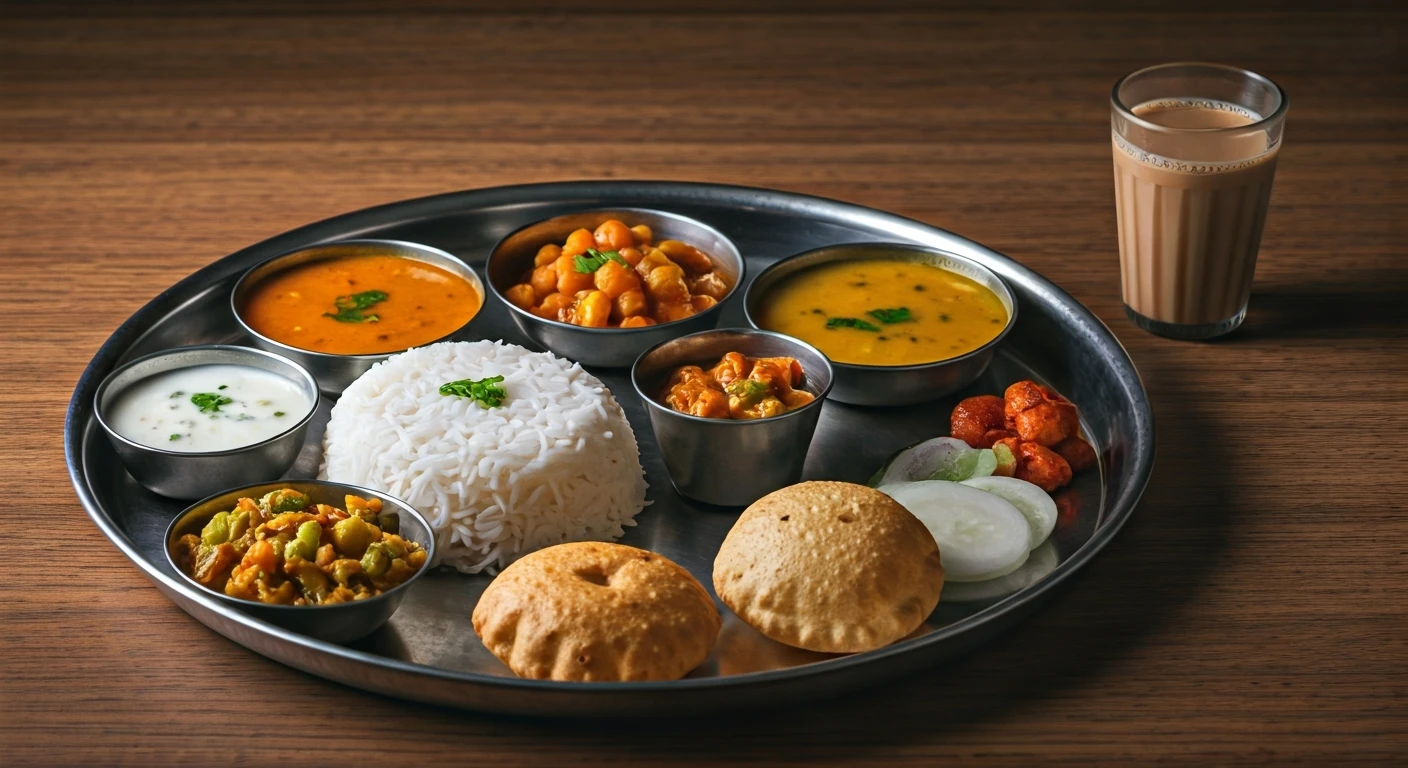
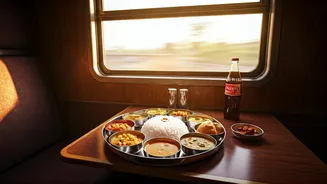
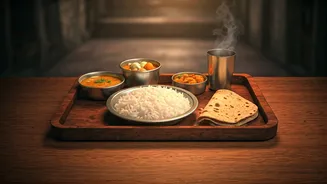
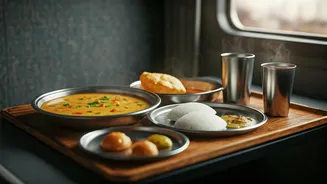
anticipated. Unlike today's digital food ordering, passengers relied on traditional methods for sustenance during their travels. The Indian Railways catering system back then was decentralized, with each zone managing its own food services. Pantry cars operating on trains and refreshment rooms at major railway stations were the primary sources of meals. Additionally, private contractors often catered to busy routes. This fragmented approach meant that the menu could vary significantly from one train route to another, adding an element of surprise to the dining experience. Meals were typically served on durable steel trays or sturdy melamine plates, with hot beverages like tea arriving in thick glass tumblers designed to retain warmth for extended periods. The aroma of food being prepared in the pantry car often wafted through the coaches, enhancing the overall sensory experience of the journey. Eating on the train was more than just satisfying hunger; it was an integral part of the travel adventure itself, a moment to connect with the journey and fellow passengers.
Vegetarian Staples
The ubiquitous vegetarian thali was the cornerstone of train dining in the 1990s, offering a wholesome and satisfying meal. A standard thali typically comprised fluffy rice or warm chapatis, a comforting serving of yellow dal, a simple yet flavorful vegetable preparation, and a tangy pickle to balance the tastes. These dishes were strategically chosen for their ease of preparation and reheating within the confines of a moving train, making them practical for the railway catering system. For passengers embarking on longer journeys, hearty options like pulao or khichdi were frequently offered. These rice-based dishes were not only filling but also easily digestible, ensuring a comfortable travel experience. The emphasis was on simple, nourishing food that could be prepared in bulk and served efficiently, reflecting the operational realities of railway catering during that era. The predictability and familiarity of these vegetarian meals provided a sense of comfort and reliability for millions of travelers across the country.
Breakfast Varieties
The breakfast menu on Indian Railways in the 1990s was a delightful reflection of regional culinary influences. Travelers on northern routes could typically start their day with piping hot aloo parathas, often accompanied by a side of cooling curd. Conversely, journeys through southern India presented passengers with traditional breakfast items like soft idlis, savory upma, or the wholesome pongal. Across all zones, a basic offering of bread and butter was consistently available, catering to those who preferred a simpler start to their day. These morning meals served as a small yet significant introduction to the local flavors of the regions the trains traversed, adding a touch of regional authenticity to the travel experience. The availability of these diverse breakfast options ensured that passengers could enjoy a familiar and satisfying meal to kick off their day's journey, regardless of their starting point.
Platform Snacks
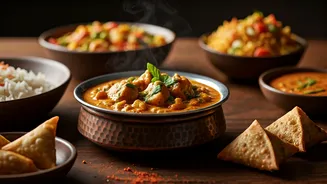
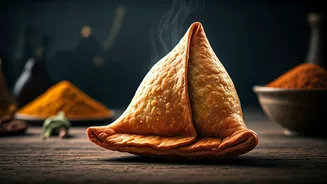
Station stops were a highlight for many travelers in the 1990s, primarily due to the vibrant array of fresh snacks offered by vendors. As trains pulled into major junctions, passengers eagerly awaited vendors who would walk through the coaches selling popular items like crisp samosas, savory kachoris, and hot cutlets. At larger stations, the opportunity to quickly grab a packet of steaming hot pakoras or crispy vadas, often wrapped in newspaper, was an exciting part of the journey. This lively trade added an element of fun and spontaneity to train travel, with many passengers cherishing the memories of these quick, delicious platform purchases. These snacks were not just food items but became an integral part of the overall travel narrative, contributing to the sensory richness of the Indian Railways experience during that decade.
Limited Non-Veg
While vegetarian options dominated the Indian Railways menu in the 1990s, non-vegetarian dishes were available, albeit with some limitations. Omelettes were a common sight during breakfast hours, providing a protein-rich start to the day. For lunch or dinner, some trains featured egg curry served with rice or rotis, offering a flavorful alternative. On select routes, more elaborate non-vegetarian preparations like chicken curry or biryani occasionally made an appearance on the menu, catering to specific passenger preferences. However, dishes featuring mutton were generally more commonly found at station canteens rather than within the pantry cars of the trains. The availability of non-vegetarian food was often dependent on the specific route, train category, and the catering contractor's provisions, making it a less consistent offering compared to the widespread vegetarian choices.
Simple Sweet Endings
The dessert offerings on Indian Railways in the 1990s were characterized by their simplicity and comforting sweetness. Popular choices that graced the menus included the flaky soan papdi and the syrupy gulab jamun, both well-loved traditional Indian sweets. Besan laddoos, small balls of gram flour and ghee, were also a frequent and delightful addition for passengers. Many travelers also came prepared, carrying their own packets of biscuits to share among companions during the journey. To complement these sweet treats and provide a refreshing option, fruit vendors were a common sight at major railway stations, selling fruits like bananas and oranges. These modest dessert options, along with portable snacks and fresh fruit, provided a satisfying conclusion to meals and added a touch of sweetness to the long train journeys.
Hydration and Planning
In the 1990s, access to packaged drinking water on Indian Railways was not as widespread as it is today. Consequently, passengers often resorted to carrying their own water bottles from home to ensure hydration during their journeys. A common practice was to refill these personal bottles at platform taps during train stops, a testament to the resourcefulness of travelers. Branded railway-specific bottled water was not yet a ubiquitous offering across the entire network. This meant that managing water supply was an essential part of travel planning for many individuals. The absence of readily available bottled water meant that staying hydrated required foresight and adherence to the available infrastructure at stations, forming a distinctive aspect of the train travel experience of that era.
Enduring Memories
While the food options on Indian Railways in the 1990s might seem limited compared to the vast culinary choices available now, the meals held a special place in the hearts of travelers. The menu's scope was often dictated by the pantry car's operational capacity and the duration of the journey. Nevertheless, the food served had a unique ability to connect passengers with the regions they were passing through, offering a taste of local flavors and traditions. There was a profound sense of simplicity and familiarity associated with these meals, creating lasting memories. For many who experienced train travel during this period, the taste and experience of railway food remain a cherished and evocative part of their past journeys, evoking a sense of nostalgia and warmth.