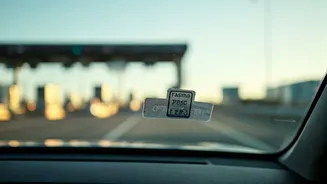







Why FASTags Fail
Delays at toll plazas, despite having an active FASTag, often stem from the tag itself rather than the toll collection system. The National Highways Authority
of India (NHAI) has highlighted that damaged or worn-out FASTags are a primary culprit behind scanning issues and subsequent traffic congestion. Over time, continuous exposure to environmental factors like sunlight, heat, dust, and rain can degrade the tag's components, compromising its ability to communicate effectively with the scanners. Furthermore, the very act of cleaning your windshield can inadvertently harm the sensitive RFID chip embedded within the FASTag. Harsh cleaning agents and excessive scrubbing can weaken or damage this critical component, leading to intermittent or complete scanning failures. It’s crucial to understand these vulnerabilities to ensure your FASTag remains functional and avoids causing unnecessary disruptions to your travel.
Causes of FASTag Damage
Several factors contribute to the eventual malfunction of your FASTag. One significant reason is frequent windshield cleaning; using abrasive materials or strong chemical cleaners can erode the protective layer and damage the internal RFID chip. Prolonged exposure to the elements also plays a vital role. Constant contact with harsh sunlight, extreme temperatures, dust particles, and moisture from rain can degrade the adhesive holding the tag to the windshield and weaken its internal circuitry over an extended period. Lastly, the age of the FASTag itself is a factor. Like most electronic devices, FASTags degrade with use and time, especially after several years of continuous service, leading to a natural wear and tear that impacts their performance.
When to Replace Your FASTag
Knowing when to retire your current FASTag is key to maintaining a hassle-free commute. The NHAI suggests considering a replacement if your FASTag has been in service for more than five years, as its efficacy naturally diminishes over this period. More immediately, if you find yourself frequently encountering scan failures or experiencing persistent toll delays, it's a strong indicator that your tag is no longer performing optimally. A malfunctioning FASTag can lead to frustrating interruptions and extended waiting times at toll plazas, even if your linked account has sufficient funds. Proactive replacement ensures that you can continue to benefit from the convenience of electronic toll collection without unexpected issues.
Replacement Process
If you've identified that your FASTag needs replacing, the process is straightforward. The NHAI recommends contacting the bank or financial institution that originally issued your FASTag. This issuer bank will guide you through the necessary steps to request and obtain a new tag. Replacing a faulty FASTag is essential not only for your personal convenience, ensuring quicker passage through toll plazas, but also for contributing to the overall reduction of congestion at these busy points. As highways increasingly adopt barrier-less tolling and MLFF (Multi-Level Fastag) systems, maintaining a fully functional FASTag becomes even more critical for a smooth and efficient travel experience. Don't wait for further inconveniences; get your FASTag replaced promptly to save time and avoid unnecessary stress on your journeys.