





Sedan Segment Reimagined
The year 2026 is poised to witness a significant comeback for the midsize sedan category, challenging the dominance of SUVs. Industry insiders predict
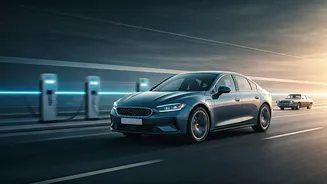
a prime time for these vehicles, suggesting a renewed consumer interest driven by evolving preferences for driving dynamics, fuel efficiency, and refined aesthetics. While SUVs have enjoyed a long reign, the fundamental appeal of a well-engineered sedan – offering a balanced blend of comfort, performance, and often, superior aerodynamics for better efficiency – is expected to reassert itself. Manufacturers are anticipated to respond with innovative designs and advanced features, making these sedans compelling alternatives for a wide spectrum of buyers. This shift could redefine the market, offering consumers more diverse choices beyond the prevalent crossover and SUV options.
Electric Mobility Advancements
The electric vehicle (EV) sector continues its rapid evolution in 2026, with significant developments expected in battery technology, charging infrastructure, and range. Companies are pushing boundaries to make EVs more accessible and practical for everyday use, addressing concerns around charging times and vehicle affordability. Innovations in battery chemistry and manufacturing are likely to lead to longer-lasting, faster-charging, and more cost-effective power sources for electric cars and motorcycles. Furthermore, the expansion of public and private charging networks will play a crucial role in enhancing user convenience and reducing range anxiety. This period is set to see a broader adoption of electric two-wheelers and four-wheelers, as manufacturers introduce a wider array of models catering to different segments and price points, solidifying EVs as a mainstream transportation solution.
Iconic Models' Return
The allure of automotive nostalgia is set to take center stage in 2026 with the planned or rumored return of several iconic vehicles. The Tata Sierra, a nameplate etched in the memories of many, is generating considerable excitement, with expectations of a modern interpretation that honors its heritage while incorporating contemporary technology and design. This revival taps into a growing consumer desire for vehicles that offer a unique blend of character and modern usability. Alongside the Sierra, other legendary models are either being tested or are rumored for an India launch, promising to reignite passions among enthusiasts and attract a new generation of buyers. These comebacks are not just about reintroducing old names; they represent a strategic move by manufacturers to leverage established brand equity and appeal to a market segment that values distinctive design and a rich history.
Market Dynamics Shift
The automotive sales charts for early 2026 indicate a closely contested market across various segments. In the two-wheeler space, Hero and Honda are engaged in a tight battle for market share, showcasing the intense competition and brand loyalty within this crucial segment. This rivalry is likely to spur further innovation and customer-centric strategies from both manufacturers. Simultaneously, there's a notable trend towards the 350cc motorcycle segment, potentially signaling a shift away from the more performance-oriented 400cc class for a significant portion of buyers. This suggests a growing preference for bikes that offer a balance of everyday usability, comfort, and accessible performance. The interplay of these sales trends points to a dynamic market where consumer preferences are evolving, prompting manufacturers to adapt their product portfolios and marketing approaches.