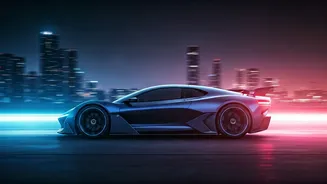

Electric Mobility Evolution
The automotive industry in India is rapidly evolving, with electric vehicles (EVs) at the forefront of this change. As environmental concerns grow and
technological advancements accelerate, EVs are becoming increasingly popular among consumers. The Indian government's push for sustainable transportation, coupled with decreasing battery costs and improved charging infrastructure, has created a conducive environment for EV adoption. Automakers are responding by investing heavily in EV development, resulting in a wide array of new models set to enter the market. These vehicles promise not only reduced emissions and lower running costs but also enhanced performance and features. The expected launches in 2026 are poised to further accelerate this trend, making electric cars more accessible and appealing to a broader audience.
Anticipated EV Models
Several new electric vehicle models are highly anticipated for their release in 2026. These cars, expected to be launched in India, represent significant advancements in electric vehicle technology and design. Specific details about the exact models are still emerging; however, early indications suggest a diverse range of vehicles, from compact city cars to larger SUVs. These forthcoming EVs are likely to incorporate the latest advancements in battery technology, offering improved range and charging times. The incorporation of advanced driver-assistance systems (ADAS) and connectivity features is also anticipated, enhancing both the safety and convenience of these vehicles. These upcoming EVs demonstrate the manufacturers' commitment to providing sustainable, efficient, and technologically advanced transportation solutions, targeting various customer segments with their features and capabilities.
Advanced Battery Technology
A critical aspect of these upcoming EVs will be their battery technology, which is expected to see significant advancements. The focus is on increasing energy density, which will lead to greater ranges on a single charge. Solid-state batteries, which are safer, more durable, and capable of faster charging, might be making their debut in some of these models. Improved thermal management systems will play a crucial role in enhancing battery life and performance, especially in the challenging Indian climate. Faster charging capabilities are also anticipated, allowing for quicker replenishment of the battery. Furthermore, there is a push towards sustainable battery sourcing and recycling to minimize the environmental impact. The integration of advanced battery technology is expected to significantly enhance the overall driving experience, offering greater convenience and performance for EV owners.
Design and Features
The design of the 2026 EVs is expected to reflect a blend of modern aesthetics and functional innovation. Automakers will likely prioritize aerodynamic efficiency to optimize range and performance. Interior designs will focus on creating a comfortable and tech-savvy environment, with large touchscreen displays, intuitive infotainment systems, and advanced connectivity options. Expect to see premium materials and thoughtful layouts that enhance the overall user experience. The exterior designs will likely showcase a futuristic appeal, differentiating these EVs from their gasoline counterparts. Many of these upcoming EVs are expected to incorporate advanced driver-assistance systems (ADAS), such as adaptive cruise control, lane-keeping assist, and automatic emergency braking, to improve safety. These elements combined will give a new perspective on electric mobility, blending design, functionality, and technology seamlessly.
Market Impact and Outlook
The launch of these five EVs in 2026 is poised to have a considerable impact on the Indian automotive market. Their introduction will intensify competition among automakers, accelerating innovation and driving down prices. The increased availability of EVs will encourage wider adoption, potentially shifting consumer preferences towards electric mobility. A larger EV presence is expected to stimulate the growth of charging infrastructure across the country, making EV ownership more practical. These vehicles could also contribute to reducing air pollution and promoting sustainable transportation. The success of these models will depend on their ability to offer competitive pricing, range, features, and overall ownership experience. As the market develops and evolves, these factors will be crucial in determining the long-term success of the EV segment in India.