




SUV Launch Anticipation
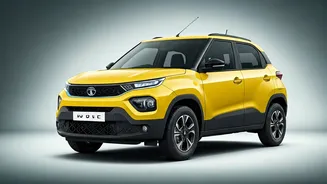
The automotive market is constantly evolving, and the year 2026 is poised to be significant for the SUV segment. Several manufacturers are preparing to launch
new midsize SUVs, generating considerable anticipation among car enthusiasts and potential buyers. These launches are not just about introducing new vehicles; they represent an opportunity for manufacturers to showcase innovation, design advancements, and technological improvements. The emergence of new models can reshape market dynamics, intensify competition, and provide consumers with a wider array of choices. The expected launches indicate a shift in consumer preferences, with SUVs increasingly becoming a favored choice due to their versatility, practicality, and enhanced driving experience. The year 2026 is anticipated to be a pivotal period, offering insights into the future direction of the automotive industry and setting new standards in the SUV sector. This is also a time for strategic product placement within an environment that is rapidly evolving. The excitement around these upcoming releases emphasizes the importance of understanding the latest trends and consumer demands shaping the industry's trajectory.
Tata Sierra's Debut
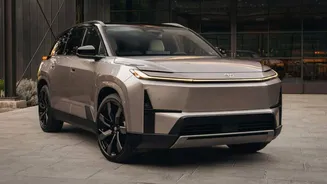
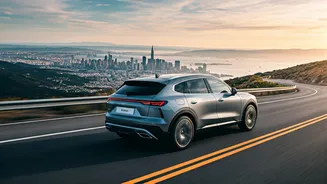
One of the most anticipated launches in 2026 is the Tata Sierra. This vehicle's introduction marks a significant step for the manufacturer, offering a modern interpretation of a classic name. The Sierra is expected to embrace the latest advancements in automotive technology, including efficient powertrains and advanced driver-assistance systems. The focus is likely to be on enhancing passenger comfort and convenience, with features such as spacious interiors, premium materials, and a user-friendly infotainment system. Furthermore, the Sierra is anticipated to highlight sustainability through design and engineering. The vehicle's design is expected to reflect a forward-thinking aesthetic, combining sleek lines with a robust presence. This aligns with the manufacturer's commitment to creating vehicles that cater to evolving consumer preferences and the growing demand for SUVs. The long-term review of the vehicle during its road testing is expected to provide valuable insights into its overall performance and suitability for Indian road conditions and consumer requirements. The Sierra's arrival in 2026 is seen as a key moment in the segment.
Market Impact Analysis
The launch of new midsize SUVs in 2026 is poised to significantly impact the automotive market. These launches are expected to stimulate competition among manufacturers, which can lead to innovation and improvements across the sector. Consumers will benefit from more choices and potentially better value for their money. The influx of new models is likely to alter the sales figures of existing vehicles, with some models gaining market share while others may experience a decline. Furthermore, the launches could influence consumer behavior and preferences, as new SUVs often feature the latest trends in design, technology, and sustainability. Manufacturers are likely to make adjustments to their production strategies and marketing approaches in order to capitalize on the changing market dynamics. The increase in competition will also push automakers to enhance their after-sales services and customer support, adding value for consumers. The overall impact will extend beyond sales figures, shaping the long-term outlook of the SUV market.
Technological Advancements
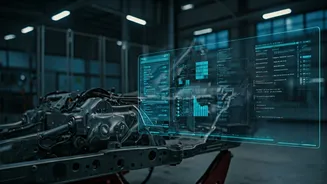
The upcoming midsize SUVs are anticipated to incorporate cutting-edge technological advancements. These include improvements in areas such as engine efficiency, driver-assistance systems, and infotainment technology. Expect to see advanced safety features, such as enhanced collision avoidance systems, adaptive cruise control, and lane-keeping assist. The integration of advanced infotainment systems with larger touchscreens, smartphone connectivity, and over-the-air updates is also likely. These technologies aim to improve driving experience and passenger convenience. Powertrain advancements may include the use of hybrid or electric powertrains to improve fuel efficiency and reduce emissions. These improvements are intended to meet the evolving demands of consumers, who seek technologically advanced, safer, and more efficient vehicles. The manufacturers are focusing on integrating features that not only enhance performance but also contribute to a safer, more connected, and enjoyable driving experience. The emphasis on technology is a critical aspect of remaining competitive in the modern automotive market.