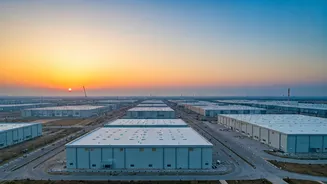

Gujarat Facility Boost
The approval of the land deal represents a substantial financial commitment by Maruti Suzuki. The company decided to invest Rs 4,960 crore for the expansion
of its Gujarat facility. This decision is a clear indicator of the company's intent to enhance its manufacturing capacity. By expanding its operations in Gujarat, Maruti Suzuki is positioning itself to cater to the growing demand in the automotive market. This investment will likely lead to an increase in production volume, allowing the company to meet the evolving consumer needs effectively. This strategic decision showcases the company's confidence in the market and its long-term growth prospects, marking a significant step in the automotive sector's development.
Strategic Financial Move
The decision to approve this substantial land deal underscores Maruti Suzuki's strategic financial planning. The Rs 4,960 crore investment is not just a financial transaction but a key component of their long-term growth strategy. This investment shows the company's dedication to improving its manufacturing capabilities. The increased production capacity at the Gujarat facility will allow the company to respond to market demands more efficiently. Furthermore, this investment highlights Maruti Suzuki's commitment to remaining competitive within the dynamic automotive industry. It reflects a proactive approach towards capitalizing on future opportunities and solidifying its market position. This proactive step underscores their proactive and growth-oriented vision.
Capacity Augmentation Details
The primary goal of the land acquisition and the associated investment is to increase the production capacity at the Gujarat facility. While specific details regarding the exact nature of the capacity additions have not been provided, the underlying intent is clear: to optimize production output. This move is designed to make Maruti Suzuki more adaptable to market needs and to keep pace with demand. By extending its production capacity, the company aims to improve its market presence and deliver its products more efficiently. The investment supports Maruti Suzuki's broader strategy for sustained growth. By investing in capacity augmentation, the company ensures it can efficiently meet the growing demand for its vehicles and maintain its leadership in the automotive market.
Impact on the Industry
This significant investment by Maruti Suzuki is poised to have a ripple effect throughout the Indian automotive sector. The expansion of the Gujarat facility signifies a broader positive trend within the industry, suggesting heightened optimism and growth prospects. Increased production can lead to higher employment opportunities both directly at the facility and indirectly through the supply chain. Moreover, this investment may spur additional investments by other market players, strengthening the overall automotive ecosystem. Maruti Suzuki's strategic move strengthens its position and plays a vital role in stimulating economic development within the region. The positive implications of this investment extend to the creation of jobs, growth in the supply chain, and a boost to the automotive industry, underlining Maruti Suzuki's prominent role in driving progress in the sector.
Future Market Strategy
Maruti Suzuki's decision to expand its Gujarat facility suggests a strong commitment to long-term market growth. The significant investment indicates a strategic shift towards securing a stronger position within the Indian automotive market. This move allows Maruti Suzuki to better address the demands of its customers and respond to evolving market dynamics. Such investments in capacity enhancement are crucial for maintaining and expanding market share in a competitive industry. Through this strategic endeavor, Maruti Suzuki is setting the stage for future growth. The company’s focus on capacity augmentation underscores its commitment to remaining at the forefront of the automotive industry. This investment shows that Maruti Suzuki is dedicated to increasing production to meet future market demands.