






Efficiency & Sustainability
In the automotive industry, manufacturers are increasingly focused on improving vehicle efficiency. This is primarily being achieved through the integration
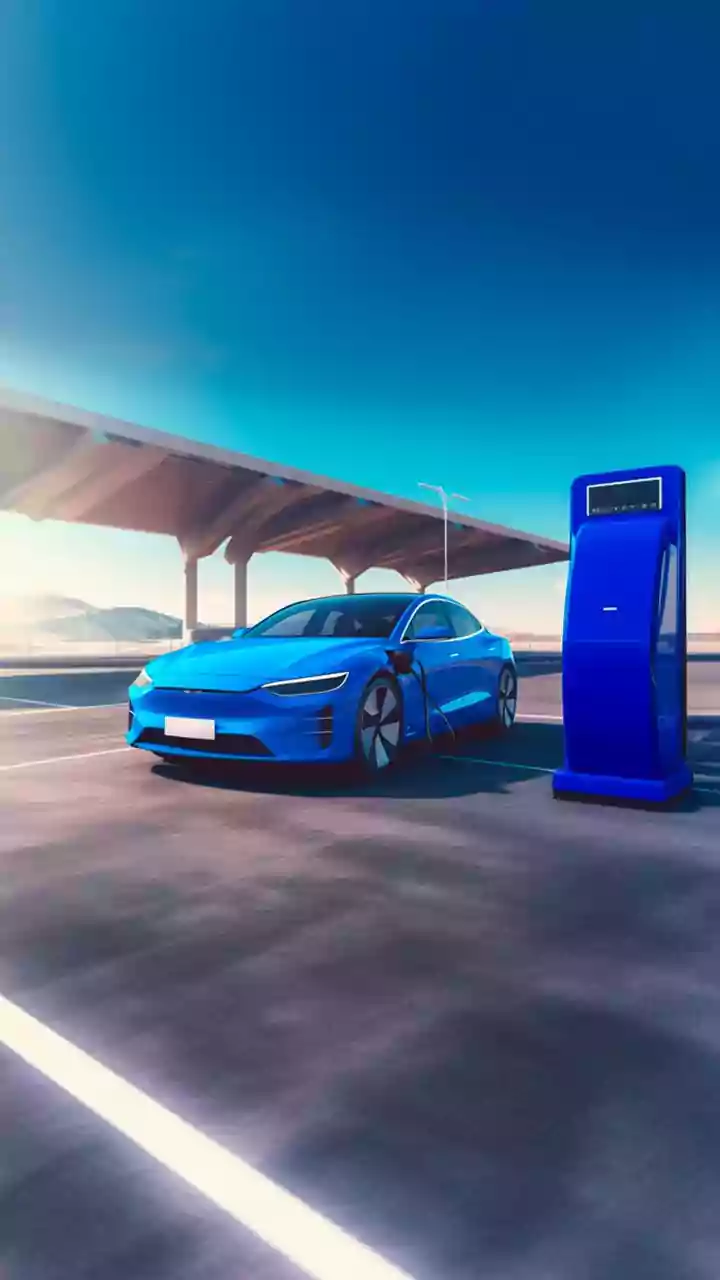
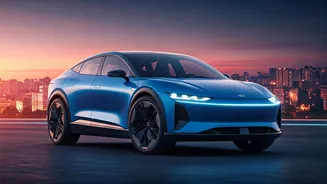
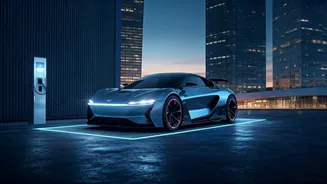
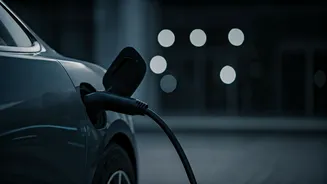
of more efficient engines, like hybrid and electric powertrains. The growing interest in sustainability has led to a major shift toward electric vehicles (EVs), with the development of new battery technologies and charging infrastructure. These advancements aim to reduce emissions, lower fuel consumption, and promote more environmentally friendly transportation solutions. Moreover, the industry is exploring lightweight materials and aerodynamic designs to further increase efficiency. These combined efforts are significantly impacting the way we design, manufacture, and operate vehicles, moving towards cleaner and more sustainable transportation.
Tech Integration Advances
The integration of technology into vehicles is another key area of innovation, with advances in areas such as advanced driver-assistance systems (ADAS) and connectivity. These systems aim to improve safety, convenience, and overall driving experiences. ADAS features like automated braking, lane-keeping assist, and adaptive cruise control are becoming standard, enhancing safety and reducing accident risks. Furthermore, the increasing connectivity enables vehicles to communicate with each other, traffic infrastructure, and the internet. This capability opens up opportunities for features like over-the-air software updates, real-time traffic updates, and enhanced infotainment systems, creating a more connected and intelligent driving environment. Developments in artificial intelligence (AI) and machine learning are also driving the evolution of autonomous driving technology.
Design & Performance Trends
The evolution of automotive design is driven by a focus on aesthetics, aerodynamics, and user experience. Manufacturers are experimenting with innovative shapes and materials to create vehicles that are both visually appealing and aerodynamically efficient. This design approach contributes to better fuel economy and reduced drag. Furthermore, there's a growing emphasis on personalization, with customizable interior options and exterior features that allow owners to tailor their vehicles to their preferences. Concurrently, advancements in engine technologies, such as turbocharging and direct fuel injection, are enhancing performance. These innovations provide better power delivery and overall driving dynamics, creating a more enjoyable and responsive driving experience. The combination of design and performance improvements underscores the continuous evolution of the automotive landscape.
User Experience Enhancements
The focus on enhancing user experience is becoming increasingly important in the automotive industry. This involves creating interiors that are both comfortable and technologically advanced, with intuitive infotainment systems and advanced driver interfaces. The goal is to provide a seamless and enjoyable driving experience. Manufacturers are incorporating high-quality materials, ergonomic designs, and advanced features such as touchscreens, voice control, and gesture recognition to elevate the in-cabin experience. Connectivity features, including smartphone integration, navigation systems, and access to online services, have become essential, meeting the expectations of today’s tech-savvy drivers. These advancements reflect a commitment to providing vehicles that meet the diverse needs and preferences of consumers. They are designed to improve safety, convenience, and overall driving satisfaction.