






Market-Wide Growth Observed
The period from October to December 2025 witnessed a broad-based volume expansion across India’s automotive industry. This growth was spurred by improved
affordability, easier financing options, and a boost in consumer sentiment, contributing to growth across passenger vehicles, two-wheelers, and commercial vehicles. Original Equipment Manufacturers (OEMs) saw positive outcomes from new model introductions, facelifts, and more advantageous financial outcomes. Simultaneously, exports held steady while the rupee’s value weakened. Passenger vehicle volumes experienced a substantial rise, increasing by 20% year-on-year. This upward trend was supported by GST reforms, an increase in rural demand, and a persistent festive season-related momentum. The market dynamics were influenced by GST-led price cuts and year-end discounts, which significantly reduced inventory days.
Passenger Vehicle Dynamics
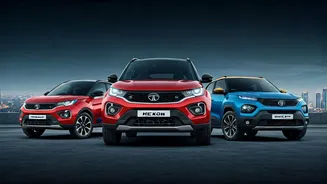
Passenger vehicles played a pivotal role in the industry's success, displaying an outstanding performance. The growth in passenger vehicle volumes was driven by the ripple effects of GST reductions, and a series of year-end discounts which made vehicles more appealing to consumers. The dominance of SUVs continued in the market, although small cars showed more advantages from the GST cuts, adding to the premiumisation trend that was already in motion. The influence of GST reforms, among other factors, helped push up volumes, even while significant discounts in the year's closing months bolstered consumer interest. Inventory levels went down sharply, coming in at approximately 45 days in November and falling to roughly 38 days in December, after having been higher previously at over 55 days. This points to the increasing demand for passenger vehicles and the efficient management of supply.
Commercial Vehicle Revival
The commercial vehicle segment presented early indications of an upcycle during the third quarter of fiscal year 2026. This revival was mainly triggered by the recovery of construction and mining activities following an extended monsoon period. Within this category, medium and heavy commercial vehicles performed better than light commercial vehicles, as replacement demands picked up, and customers chose higher-tonnage vehicles. The revival of construction and mining activity, following the monsoon, supported the medium and heavy commercial vehicles. This indicates the industry's ability to respond to changing market demands, as fleet operators chose higher-capacity models, highlighting the dynamics within the commercial vehicle market. The trends within this segment suggested a responsive industry that adapts to economic and seasonal changes.
Two-Wheeler Momentum
The two-wheeler segment experienced substantial expansion, with high-teens growth figures recorded. This growth was largely due to the dominance of motorcycles, specifically those in the 150cc and higher segments. The high demand led to extended waiting periods for some models as retail sales increased and dealers restocked their supplies. Improved affordability, thanks to GST rate adjustments, also encouraged fleet operators to expedite their purchasing decisions. These trends point to a market where consumer preferences and government policies align to stimulate growth. These findings underscore the important role of two-wheelers, especially motorcycles, within the broader automotive industry.
Rural Market Influences
In the rural sphere, strong Kharif harvest results and an increase in Rabi sowing acreage enhanced farm incomes and cash flows. This, in turn, boosted demand for entry-level vehicles and tractors. The recovery of the rural economy, boosted by a favorable harvest, improved the purchasing power in rural areas. The better financial situation on farms allowed more people to buy entry-level vehicles and tractors. Rural India's expanding economy, fueled by strong agricultural results, has a direct and positive impact on the automotive industry. State subsidies and other government initiatives also boosted tractor sales. This demonstrates the impact of agricultural prosperity on the broader automotive market, and the importance of government policies and initiatives.
Challenges Ahead Loom
Despite the overall positive results, the industry faces potential headwinds. The rising costs of raw materials, such as aluminium, copper, and platinum, are a significant concern. The reintroduction of steel safeguard duties from January 2026 further threatens to put pressure on margins in the coming quarters. While the sector benefited from GST reforms and rising demand, the increase in raw material costs, and the import duties could impact profitability. The sector must carefully manage these issues to ensure sustainable growth. The industry's capacity to handle these challenges will be crucial in maintaining the positive trajectory of growth in India's automotive sector. This demonstrates the challenges of managing profitability amidst rising costs and external pressures.