





Proactive Vehicle Care
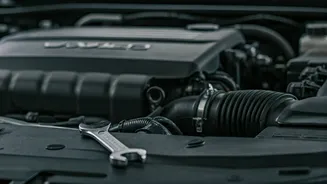
Keeping your vehicle in top-notch condition is fundamental to achieving optimal fuel efficiency. Regularly scheduled tune-ups ensure your engine performs
at its best, consuming fuel judiciously. It's also vital to maintain correct tire inflation; underinflated tires create more friction, forcing the engine to work harder and burn more petrol. Furthermore, ensuring that air and fuel filters are clean allows your engine to breathe and operate more freely, directly contributing to better mileage. A proactive approach to maintenance means fewer problems down the line and consistently better performance from your car, saving you money and reducing emissions.
Graceful Driving Techniques
Your driving style has a profound impact on how much fuel your car consumes. Aggressive acceleration and sudden braking are significant fuel wasters, as they demand more power from the engine. Instead, aim for a smooth, consistent driving approach. By anticipating traffic flow, you can minimize unnecessary stops and starts. Gentle acceleration and gradual deceleration allow your engine to operate within its most efficient range. Maintaining a steady speed, especially on highways, further optimizes fuel consumption, turning every journey into a more economical one. This conscious effort in how you operate the vehicle translates directly into tangible savings.
Shedding Unnecessary Weight
The more weight your car carries, the more effort its engine must exert to move it, leading to increased fuel consumption. Think of it like carrying a heavy backpack; it tires you out faster. Therefore, regularly decluttering your vehicle is a simple yet effective way to improve your car's mileage. Remove any items that are not essential for your current journey, whether it's heavy tools, excess sports equipment, or unnecessary luggage. Even a modest reduction in overall weight can contribute to noticeable savings at the pump, making your car lighter and more efficient on every trip you undertake.
Optimal Tire Pressure Matters
Maintaining the correct air pressure in your tires is a critical yet often overlooked aspect of fuel efficiency. When tires are underinflated, they flatten out more on the road, increasing the surface area that needs to be pushed forward. This phenomenon, known as increased rolling resistance, compels your engine to expend more energy and, consequently, more fuel to maintain speed. Regularly checking and adjusting your tire pressure to the manufacturer's recommended levels ensures that your tires roll smoothly and efficiently. Beyond fuel savings, properly inflated tires also enhance driving safety and prolong the lifespan of your tires.
Strategic Gear Selection
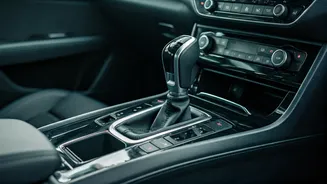
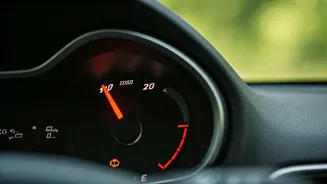
Selecting the appropriate gear for your driving conditions can significantly enhance your car's fuel efficiency. Lower gears are essential for getting your vehicle moving from a standstill and for tackling inclines, providing the necessary torque. As your speed increases and you move onto flatter terrain or open roads, shifting to higher gears allows your engine to run at lower revolutions per minute (RPM) for a given speed, which is more fuel-efficient. Consulting your car's owner's manual will provide specific guidance on optimal gear usage for your particular model, helping you maximize every drop of fuel.
Minimize Engine Idling
Extended periods of engine idling are essentially a waste of precious fuel. When your car's engine is running, it's consuming petrol without moving you closer to your destination. If you anticipate being stationary for more than a minute, such as waiting for someone or in a prolonged traffic queue, it is generally more economical to switch off the engine and then restart it when you're ready to proceed. This simple habit can prevent a significant amount of fuel from being needlessly burned, especially in urban driving environments with frequent stops.
Intelligent Route Planning
Proactive route planning can drastically reduce the amount of fuel you use. By consolidating multiple errands into a single outing, you can avoid making several separate trips, thereby cutting down on overall mileage. Furthermore, utilizing navigation tools or apps to identify the most direct and least congested routes can help you bypass frustrating traffic jams and avoid unnecessary detours. This strategic approach to your journeys ensures you spend less time on the road and less money at the fuel station, making every drive more efficient and less stressful.