





A Pioneering Start
Long before ride-sharing apps or the metro rail became commonplace, a single Indian metropolis established a bus network that would become the essential
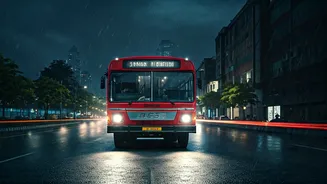
artery of daily commuting. This city, Mumbai, saw the birth of its public bus service on July 15, 1926. The service, managed by the Brihanmumbai Electric Supply and Transport (BEST) undertaking, is widely acknowledged as the nation's most enduring and continuously functioning public bus transport. The very first route connected the landmark Afghan Church in Colaba to the bustling Crawford Market, now officially named Mahatma Jyotiba Phule Market. This initial service swiftly gained traction, presenting commuters with a reliable alternative to the existing tramways and horse-drawn carriages, marking a significant advancement in urban mobility for the era.
Evolution of Comfort
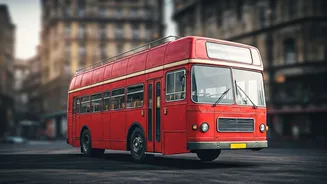
The earliest buses that graced Mumbai's streets were quite rudimentary, imported single-decker vehicles that offered a stark contrast to the comfort standards of today's public transport. Nevertheless, these early models represented a monumental leap forward for public transportation within India. Over the ensuing years, BEST progressively introduced more advanced models, most notably the iconic double-decker buses. These distinctive red behemoths quickly became synonymous with Mumbai's cityscape and a cherished symbol of the city itself. This evolution from basic to more sophisticated vehicles reflected the growing demands of an expanding urban population and the continuous drive to improve the commuter experience.
Connecting the Metropolis
As Mumbai experienced a period of rapid urban expansion, the need for an efficient and widespread public transportation system became increasingly critical. BEST rose to this challenge by diligently connecting disparate neighborhoods across the vast city, ensuring that millions of residents had access to an affordable means of travel. For countless Mumbaikars, the ubiquitous red BEST bus transcended its functional role to become an integral facet of their daily routines and an emblem of Mumbai's vibrant identity. The undertaking, which initially began as an electric tram operator, ultimately transformed the city's transit landscape through its dedicated bus services, transporting millions of passengers over many decades and solidifying its place in the city's history.
Laying Future Foundations
Even today, public buses continue to represent one of the most economical and accessible modes of transportation for navigating Indian urban centers. Mumbai's pioneering bus network, initiated nearly a century ago, indisputably laid the groundwork for the systematic development of road-based public transport systems throughout the entire country. Its enduring legacy is evident in the continued reliance on bus services for daily commutes, highlighting the foresight and impact of BEST's early initiatives. The successful establishment and sustained operation of this system demonstrated the viability and necessity of organized public transit, paving the way for future developments in cities nationwide and underscoring its foundational importance.