




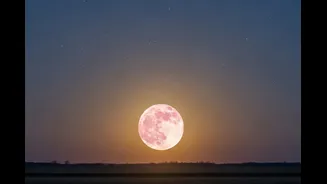
Pink Moon Timing
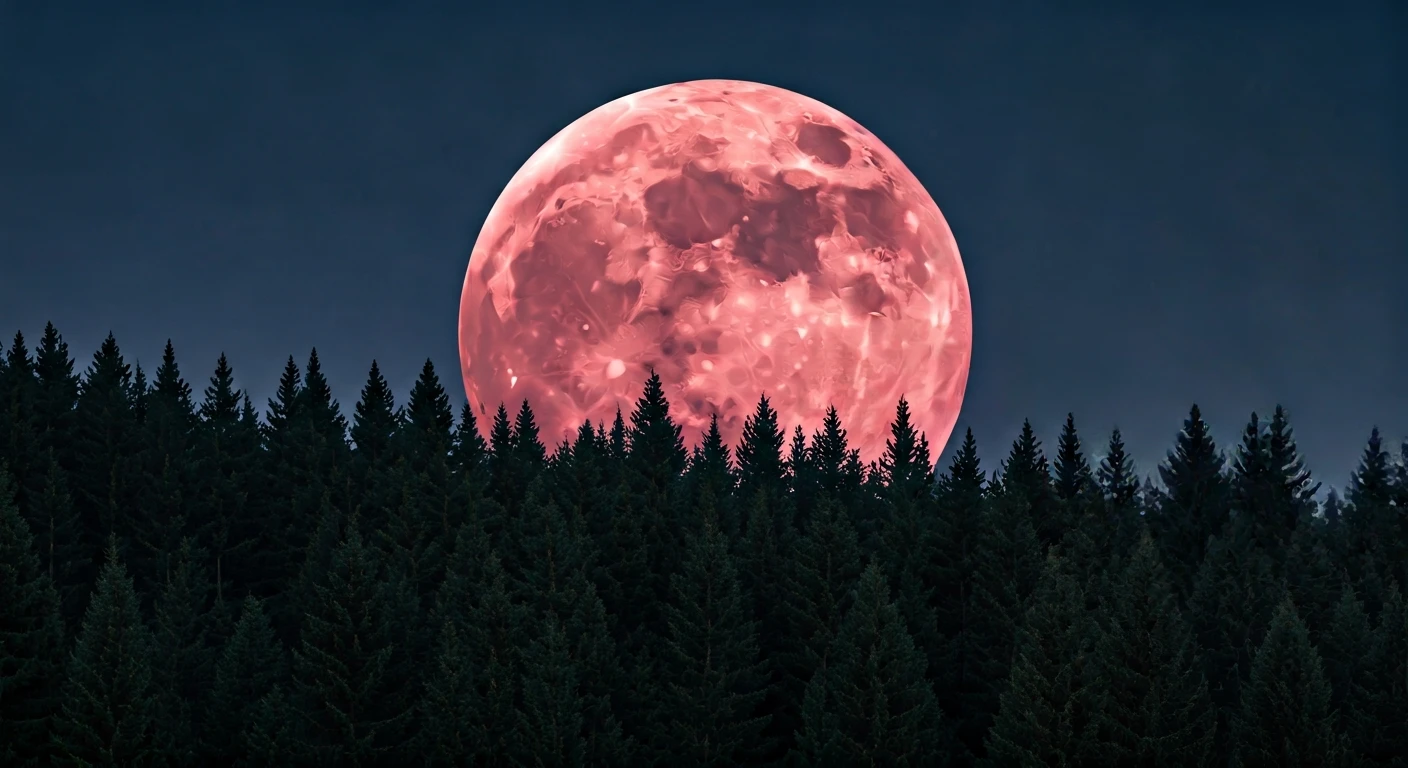
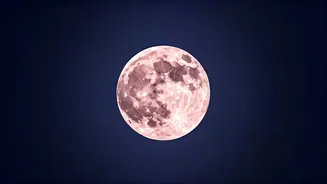
On April 1, 2026, sky gazers can anticipate the arrival of a special full moon, popularly known as the Pink Moon. This celestial event will reach its zenith
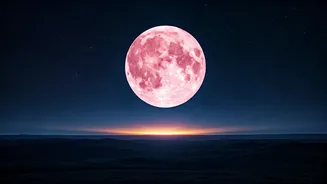
at 10:12 PM Eastern Time, which translates to 9:12 PM Central Time and 7:12 PM Pacific Time within the United States. For observers in India, the peak illumination will occur earlier in the day, at 7:42 AM Indian Standard Time on April 2. To maximize your viewing pleasure, it's highly recommended to find a location far from the pervasive glare of urban lights. Observing the moon as it ascends in the eastern or southeastern sky can create a striking visual effect, often appearing larger due to a phenomenon known as the 'moon illusion.'
The Name's Origin
The nomenclature 'Pink Moon' originates not from the moon's actual hue, but from the blooming of a particular springtime flower. This name is attributed to the vibrant moss pink, or creeping phlox, a plant that typically carpets the landscape in early spring. Indigenous American tribes and early European settlers adopted this floral association to identify this full moon, which heralds the onset of spring. Although it won't display a pink coloration, this lunar phase signifies the beginning of the spring season and is recognized as the first full moon of the year. It also holds significance as the Paschal Moon, a key marker in determining the date of Easter annually.
Artemis II Link
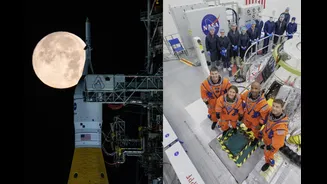
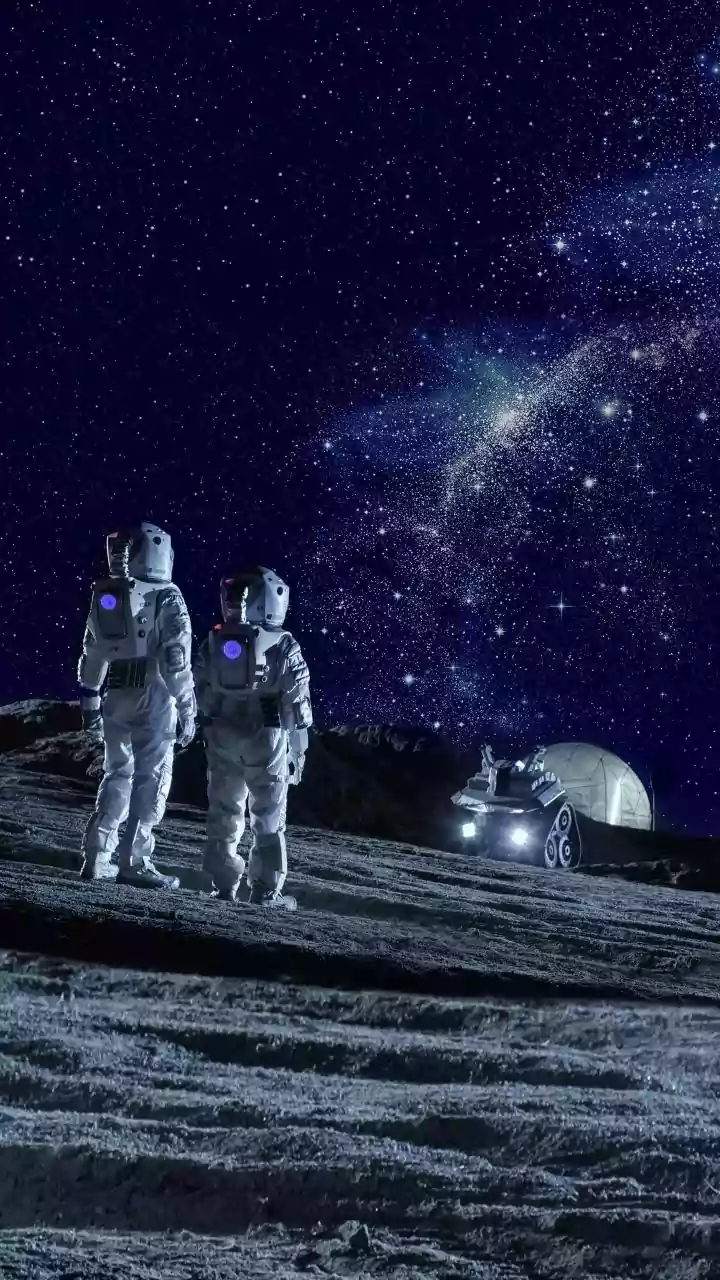
An intriguing parallel exists between the appearance of the 2026 Pink Moon and NASA's ambitious Artemis II mission. This mission is slated to be the first crewed voyage to orbit the Moon since the historic Apollo 17 mission in 1972. The Artemis II endeavor serves as a crucial stepping stone, preparing astronauts for more extensive lunar exploration and paving the way for a potential return to the Moon's surface by the year 2028. The timing of this celestial event therefore coincides with a significant moment in human space exploration history.
Viewing The Moon
Witnessing the Pink Moon requires no specialized equipment; its natural brilliance is accessible to all. For an optimal experience, seek out an open expanse where the influence of artificial lighting is minimal. Position yourself to watch its ascent in the eastern sky, where it may appear magnified and particularly luminous. Bringing along blankets or chairs can enhance comfort if you plan to dedicate a longer period to observation. While binoculars or a telescope can offer a more detailed perspective, they are by no means essential for appreciating the moon's grandeur. Crucially, consult your local weather forecast to ensure a clear, unobstructed view of the night sky. The Pink Moon, though not literally pink, will cast a beautiful golden radiance, enriching the night landscape.