



January's Celestial Events
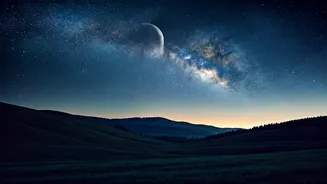
January 2026 presents a captivating blend of astronomical occurrences, with the Wolf Moon taking center stage. The Wolf Moon, a full moon occurring in January,
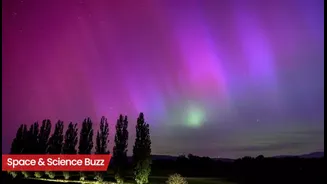
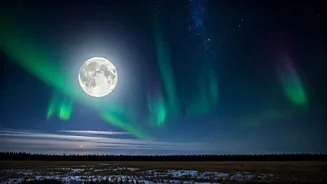
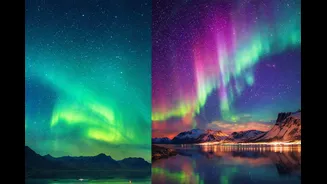
will be especially noteworthy. Furthermore, the possibility of a G2 geomagnetic solar storm adds another layer of excitement. These storms can cause auroras, offering visual treats for observers. The combination of the Wolf Moon and potential auroras makes January a good month for stargazing. Observing conditions and potential viewing opportunities should be monitored.
Wolf Moon Details
The Wolf Moon, set to appear in January 2026, will be a significant event for those interested in celestial happenings. A full moon in January is referred to as the Wolf Moon, and it has a special meaning for many people. The full moon will be near its perihelion, meaning it will be closer to the Earth than usual, enhancing its brightness and visual impact. Perihelion is the point in a celestial object's orbit where it is closest to the Sun. This closeness increases the moon's apparent size and brilliance. Skywatchers can anticipate a luminous display. To have a good viewing experience, one should check the weather forecast and look for clear skies.
Solar Storm Watch
Alongside the Wolf Moon, the potential for a G2 geomagnetic solar storm adds another thrilling dimension. NOAA has issued a G2 solar storm watch for January, indicating a moderate level of geomagnetic activity. Such storms are caused by eruptions on the sun, leading to a surge of charged particles that interact with Earth's magnetic field. While the storm is of moderate intensity, it can cause some disruptions to satellite signals and power grids. However, it also has the potential to produce auroras. Auroras, also known as the Northern and Southern Lights, are spectacular displays of light in the sky, visible in high-latitude regions. Keep monitoring for alerts about the storm's status.
Observing the Skies
To fully enjoy the celestial events in January 2026, proper preparation and observation techniques are key. To see the Wolf Moon and any auroras, find a location far from city lights, where the sky is dark. Monitor the weather forecast for clear skies. For those who want to see auroras, it's necessary to be located in regions with high latitudes. Keep an eye on aurora forecasts. Also, consider using binoculars or a telescope to get a better view. Remember, the viewing experience is enhanced by the absence of light pollution and good atmospheric conditions. Make sure to dress warmly because it is cold in January.