






Tariff Reduction Achieved
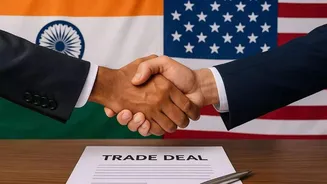
In a move that strengthens bilateral trade relations, Bangladesh and the United States have formalized a reciprocal tariff agreement. This landmark pact,
signed on a Monday evening, effectively lowers the United States' reciprocal tariffs on goods originating from Bangladesh from 20% down to 19%. This negotiation process had been ongoing for a substantial period, spanning nine months since April of the previous year. The agreement arrives at a critical juncture for Bangladesh, just days before its national elections scheduled for February 12th. The recent history of US tariffs on Bangladeshi goods saw a significant imposition of 37% by the Trump administration in April 2025, which was subsequently adjusted downwards to 35% and then further to 20% by August. This current reduction represents a tangible benefit for Bangladeshi exporters, enhancing their competitiveness in the US market.
New Opportunities Unveiled
Beyond the general tariff reduction, this agreement introduces a preferential system that offers zero reciprocal tariffs on specific categories of textile and apparel products. These designated items must be manufactured using cotton or man-made fibers sourced from the United States. This provision is particularly significant for Bangladesh's dominant garment sector, offering a competitive edge and encouraging the use of American raw materials. Bangladeshi Commerce Adviser Sheikh Bashir Uddin has lauded this as a 'historic step,' anticipating that it will unlock expanded market access for both nations involved. The agreement is expected to foster greater integration within the supply chain and create new economic synergies. The framework for this zero-tariff facility will be established by the US, ensuring a clear pathway for eligible goods to benefit from this preferential treatment.
Government Endorsement
The pact has received strong endorsement and approval from the highest levels of the Bangladeshi government. National Security Adviser Khalilur Rahman, who played a pivotal role in leading the negotiations, expressed optimism about the agreement's positive impact on exporters and the overall upliftment of Bangladesh's vital garment industry. The Council of Advisers officially sanctioned the deal, marking a significant step towards its implementation. The agreement will officially come into effect once both signatory nations issue the necessary notifications, signaling the formal commencement of the new tariff structures. High-ranking officials, including Commerce Secretary Mahbubur Rahman and Assistant US Trade Representative Brendan Lynch, were present at the signing ceremony, underscoring the importance of the accord. The timing of this agreement, coinciding with the conclusion of election campaigning for the February 12 polls, has been strategically highlighted by officials as a significant win for job creation and economic advancement.
Economic Significance
The timing of this US reciprocal tariff pact is particularly noteworthy, arriving just as election campaigning reaches its final stages for the upcoming February 12 polls. Whichever political party emerges victorious in Thursday's election is set to inherit a strengthened trade relationship with a major global economic power. The garment industry holds immense importance for Bangladesh, accounting for an overwhelming 95% of the country's total exports to the United States. Therefore, this agreement provides Dhaka with a crucial advantage in the highly competitive US apparel market. The economic implications are far-reaching, promising to bolster foreign exchange earnings, stimulate domestic production, and create a more stable environment for investment in the textile sector. The deal is viewed as a significant economic boost that will benefit the nation regardless of the election outcome.