







Core Operational Needs
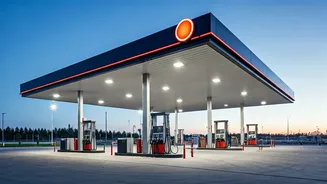
Fuel stations, at their heart, are logistics hubs where fuel is delivered, stored, and then dispensed. Their efficient operation hinges on a well-orchestrated
supply chain, beginning with fuel procurement from refineries or distributors. This supply must then be transported, typically via tanker trucks, to the station's underground storage tanks. These tanks are equipped with sophisticated monitoring systems to track fuel levels and detect potential leaks, ensuring both environmental safety and inventory management. The actual dispensing of fuel to vehicles is also a highly regulated process. Dispensing pumps are calibrated and regularly inspected for accuracy, and payment systems, whether cash, credit, or mobile, must be secure and user-friendly. Further complicating operations are the need for regular maintenance of equipment, compliance with safety regulations, and proper waste management of materials like used oil and packaging. A functional fuel station balances the complexities of supply, safety, and customer service to provide an essential service.
Economic Impact Explored
Fuel stations exert a considerable influence on local economies. They are major employers, directly providing jobs for cashiers, attendants, maintenance personnel, and management staff. Moreover, they often support secondary businesses such as car washes, convenience stores, and repair shops, which further create job opportunities. The revenue generated by fuel stations contributes significantly to the local tax base, funding essential public services like infrastructure, education, and public safety. Fuel stations also serve as important nodes in their local economies, driving traffic to the area, which benefits other businesses as well. However, the economic impact is not entirely positive. The volatility of fuel prices can affect local businesses and consumers. Environmental issues associated with fuel storage and handling may also lead to costs related to cleanup or mitigation. Balancing these factors is crucial for fuel stations to be sustainable contributors to their economic landscape.
Management and Strategy
Effective fuel station management requires a blend of operational efficiency, customer service, and strategic planning. Inventory management is essential, involving accurate forecasting of fuel demand to minimize shortages or excess stock. Pricing strategies must be carefully considered, balancing competitiveness with profit margins and considering local market conditions and seasonal changes. Customer service plays a major role, as friendly staff and a clean, well-maintained environment encourage repeat business. Many stations are enhancing their customer experience through services like car washes, convenience stores, and quick-service restaurants. Marketing and promotions, such as loyalty programs or seasonal discounts, can further drive sales and customer engagement. Modern stations also embrace technology for enhanced management. Automated inventory systems, real-time sales data, and online payment options enable more efficient operations. By focusing on operational excellence, customer satisfaction, and strategic initiatives, fuel stations can improve their efficiency and profitability.
Sustainability Initiatives
Sustainability is becoming increasingly significant for fuel stations, both due to environmental regulations and consumer preferences. Many stations are adopting green practices, such as installing energy-efficient lighting, using renewable energy sources, and implementing water conservation measures. Waste management is another key area of focus, with recycling programs for paper, plastics, and other materials, alongside responsible disposal of hazardous substances like used oil and filters. Fuel stations also look to reduce their carbon footprint, such as offering electric vehicle charging stations or promoting fuel-efficient vehicle usage. Implementing these sustainable practices can not only reduce a station's environmental impact, but they can also appeal to environmentally conscious customers and create a positive brand image. Looking ahead, fuel stations must proactively engage with sustainability to stay competitive and contribute to a healthier environment.