






India-EU Trade Dynamics
The economic relationship between India and the European Union is a pivotal aspect of their broader partnership, marked by a dynamic interplay of trade
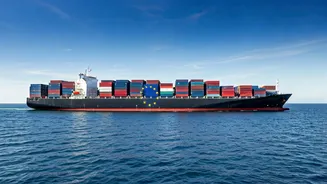
and investment. Negotiations surrounding the India-EU Free Trade Agreement (FTA) are a central element in shaping this economic relationship. This agreement, if finalized, promises to significantly boost trade flows between India and the EU. This involves reducing tariffs, simplifying trade procedures, and opening new avenues for investment. The FTA aims to address trade barriers and facilitate smoother movement of goods and services. A successful FTA could lead to increased market access for Indian businesses within the EU and vice-versa, fostering growth and creating new economic opportunities. India and the EU are also collaborating on various initiatives beyond the FTA, including cooperation in areas like digital economy, sustainable development, and infrastructure. These initiatives are intended to support trade and investment, creating an environment favorable for mutual economic growth and development.
FTA: The Core Deal
The India-EU Free Trade Agreement (FTA) forms the cornerstone of the strategic economic relationship between India and the EU. This agreement is designed to eliminate or substantially reduce tariffs on a wide range of goods and services, thus making trade easier and more affordable for businesses on both sides. The negotiations for the FTA encompass several critical aspects, including customs duties, technical barriers to trade, and sanitary and phytosanitary measures. The aim is to create a more transparent and predictable trade environment, which reduces the cost of doing business and minimizes trade-related uncertainties. The FTA seeks to liberalize key sectors, fostering competition and promoting innovation. Moreover, the agreement's scope could extend to investment protection, intellectual property rights, and sustainable development. As discussions move forward, the FTA is a key initiative in strengthening economic ties, aiming for a robust and mutually beneficial partnership that drives growth and development in both India and the EU. By removing trade obstacles and setting up a clear framework for trade, the FTA shows the shared goal of both entities for a stronger, more united, and flourishing future.
Benefits for India
The strategic alliance between India and the EU, particularly through an FTA, offers a multitude of potential benefits for India's economic growth and development. Increased access to the vast European market is one of the most significant advantages, enabling Indian businesses to export a wide array of goods and services. The FTA is expected to provide substantial cost savings, as tariffs are reduced or eliminated, making Indian products more price-competitive. The agreement also provides opportunities for foreign direct investment (FDI) from EU countries into India. This inflow of investment can help fund infrastructure projects, create jobs, and stimulate economic growth. Moreover, the FTA aims to streamline trade procedures, reduce bureaucratic hurdles, and enhance the overall ease of doing business for Indian companies. This will encourage greater participation in global value chains and boost India's economic integration with the world. Through the FTA and the broader strategic collaboration, India seeks to enhance its economic standing, promote inclusive growth, and achieve its ambition of becoming a leading global economy. This collaboration is set to lead to significant growth, fostering innovation, and improving the standard of living for the citizens.
Global Implications Emerge
The relationship between India and the EU, especially through the FTA, carries significant global implications, going beyond the economic gains for both partners. It reflects a growing trend towards stronger multilateralism and trade collaboration in a world marked by complexities and uncertainties. A successful FTA between India and the EU could serve as a powerful signal, encouraging other nations to deepen their economic ties and participate in the global trade system. This collaboration may lead to the formulation of new trade norms and regulations, promoting openness, transparency, and fairness in international commerce. Moreover, the partnership between India and the EU could become a force for stability and cooperation in the geopolitical arena. Both partners can work together to address global challenges such as climate change, sustainable development, and security threats. The strengthening of ties between India and the EU helps to promote a more rules-based, inclusive, and sustainable global order, fostering cooperation, and generating opportunities for growth and prosperity for nations across the globe. This partnership provides a model for other regions, encouraging collaboration and working towards a brighter, more interconnected future.