
Interior Design Overview
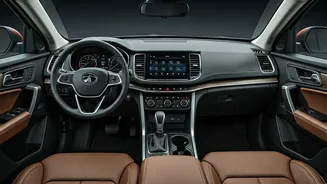
The interior design of the Tata Harrier and Safari petrol models reveals a commitment to blending aesthetics and practicality. The cabin space is thoughtfully
designed, providing a comfortable environment for both the driver and passengers. Materials used reflect a balance of quality and functionality, contributing to a pleasant in-car experience. The layout is user-centric, with controls and features positioned for ease of access and intuitive operation. The design language emphasizes a modern and sophisticated aesthetic, enhancing the overall appeal of these vehicles and providing an inviting atmosphere for journeys, whether short commutes or long road trips. The cabin’s design choices impact the perceived value and contribute significantly to how owners and passengers experience daily use.
Feature Integration Analysis
The integration of features in the Tata Harrier and Safari petrol models is crucial for enhancing the driving experience. Technology such as infotainment systems, driver assistance tools, and connectivity options are designed to improve both convenience and safety. These models typically include touchscreen displays for easy access to navigation, media, and vehicle settings. The inclusion of features such as smartphone integration through Apple CarPlay and Android Auto allows seamless connectivity. Driver assistance systems like parking assist and cruise control add an extra layer of safety. The effective integration of these features is essential for providing a modern and user-friendly experience, making the vehicles attractive to a wide range of consumers. The goal is to create a seamless interface where technology enhances, rather than distracts from, the driving task.
Comfort and Ergonomics
Comfort is a central consideration in the design of the Tata Harrier and Safari petrol models, influencing the overall experience. The seating arrangements, materials, and positioning are carefully considered to maximize comfort during journeys. Ergonomics play a vital role, ensuring that controls are within easy reach and sight, thus reducing driver fatigue. Ample legroom, headroom, and support contribute to a comfortable seating experience. Climate control systems ensure that the cabin temperature is maintained, regardless of external weather conditions. Design choices, such as the quality of seat materials and the support offered by the seats, contribute significantly to passenger well-being and satisfaction. The focus on ergonomics allows for a more relaxed and enjoyable driving experience, even over long distances, making these SUVs suited for various uses.
Cabin Space Assessment
The assessment of cabin space within the Tata Harrier and Safari petrol models reveals key attributes crucial for usability and comfort. The layout is optimized to provide ample space for occupants and their luggage. These SUVs typically offer generous legroom and headroom, accommodating passengers of varying heights comfortably. Strategic placement of seats and storage compartments enhances the overall functionality of the cabin. The cargo area is designed to accommodate various luggage requirements, making it practical for family trips or daily needs. The effective use of space is a key selling point, providing a practical and versatile interior that meets the needs of a diverse customer base. This ensures that the vehicle can comfortably handle passengers, cargo, and all the gear needed for everyday activities and extended travel.
Verdict and Overall Impression
The Tata Harrier and Safari petrol models are designed to meet the expectations of today’s SUV buyer. The comprehensive features and design elements make them contenders in their segment. The focus on cabin comfort, coupled with well-integrated technology, caters to modern driving demands. The blend of spaciousness, features, and overall design contributes to a positive user experience. The models position themselves as practical and appealing choices in a highly competitive market, providing a balanced approach that combines style, functionality, and comfort. The final impression considers the overall value proposition, taking into account the comfort, features, and driving experience they provide.