
Avoiding Sporting Disaster
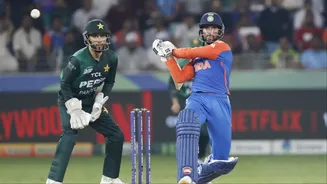
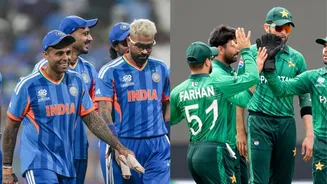
Pakistan's initial threat to boycott the T20 World Cup 2026 match against India presented a significant risk to their tournament aspirations. Had they
followed through with the forfeit, they would have immediately forfeited two critical points from their group stage matches. This loss, coupled with a substantial negative impact on their Net Run Rate, could have effectively derailed their chances of advancing to the semifinals. In the highly competitive environment of a T20 World Cup group stage, such early setbacks often prove insurmountable, preventing a team from building momentum and finding their stride in the tournament. Therefore, rescinding the boycott was crucial for maintaining any realistic hope of progressing in the competition.
Financial Pressures Mount
The financial implications of boycotting a marquee fixture like the India-Pakistan clash were a primary driver for Pakistan's strategic climbdown. This particular match is renowned as one of cricket's most lucrative, generating tens of millions of dollars through broadcasting rights and sponsorship agreements. Any decision to withdraw from such a high-profile fixture carried the significant risk of substantial financial penalties and reduced payouts from the International Cricket Council (ICC). Considering the immense commercial value at stake, participation in the tournament became the only financially sound decision for the Pakistan Cricket Board, outweighing the reasons for the initial boycott threat.
Bilateral Cricket Ambitions
Pakistan's desire to see the resumption of bilateral cricket matches against India was a key element of their negotiation stance. However, the ICC reiterated a long-standing principle: bilateral series fall under the purview of individual cricket boards and their mutual agreements. Historically, political tensions between the two nations have been the primary impediment to scheduling such tours. Consequently, seeking approval for bilateral cricket resumption during the backdrop of a major ICC global event was an unrealistic objective, as the governing body is unlikely to interfere in such sensitive political and sporting matters.
Tri-Series as Posturing
The proposal to organize a tri-series involving India, Pakistan, and Bangladesh appeared to be more of a tactical maneuver for negotiation optics rather than a genuinely viable scheduling option. India has, in recent years, deliberately avoided participating in multi-nation tournaments outside of ICC-sanctioned events. This consistent policy suggests that the tri-series suggestion was primarily aimed at influencing public perception and domestic sentiment rather than being a concrete plan for execution. The logistical and political complexities made such a proposal highly impractical, indicating its role as a bargaining chip.
Diplomatic Messaging Strategy
Pakistan strategically framed its decision to withdraw the boycott threat by citing requests from fellow regional cricketing nations, Bangladesh and Sri Lanka. This messaging aimed to present the reversal not as a capitulation to external pressure, but rather as an act of regional solidarity. This approach is crucial for managing domestic perception, as decisions related to cricket in Pakistan are often closely intertwined with national sentiment and political discourse. By framing the decision in this manner, Pakistan sought to control the narrative and mitigate potential criticism at home.
Bangladesh's Gains
In stark contrast to Pakistan's situation, Bangladesh reportedly secured more substantial long-term benefits from this episode. It is understood that Bangladesh secured future ICC hosting rights for tournaments scheduled between 2028 and 2031. Furthermore, they managed to avoid any penalties, even though they had indicated withdrawal intentions earlier. This outcome subtly shifted the balance of power and influence towards Dhaka in the long-term planning and development of cricket infrastructure and major events within the region.
ICC Governance Authority
The ICC's firm stance against Pakistan's demands served to reinforce its authority and governance structure. By refusing to make significant concessions, the governing body underscored its commitment to a consistent regulatory framework. Allowing exceptions or succumbing to boycott threats could have set a dangerous precedent, potentially encouraging similar actions from other member boards in future tournaments. Such a trend would undoubtedly threaten the stability and integrity of ICC competitions worldwide.
Global Cricket Ecosystem
An actual cancellation of the India-Pakistan fixture would have sent significant shockwaves throughout the global cricket ecosystem. This would have disrupted complex broadcast schedules, jeopardized sponsor commitments that are often tied to marquee matchups, and disappointed millions of fans worldwide. The resolution of the boycott threat was therefore critical for preserving the integrity of cricket's commercial model, which heavily relies on the guaranteed presence of such high-impact fixtures.
Force Majeure Weakness
Pakistan had explored the possibility of invoking 'force majeure,' a legal clause typically reserved for extraordinary circumstances beyond human control, such as war or natural disasters. However, this argument lacked significant competitive weight in this specific scenario. With the matches scheduled to be played at neutral venues, the conditions did not meet the stringent contractual thresholds required for a force majeure claim. This weakened Pakistan's negotiating position considerably, as the situation did not qualify as an uncontrollable crisis as defined by such clauses.
Face-Saving Exit
While Pakistan did not secure major concessions through its boycott threat, its withdrawal without facing sanctions allowed for a face-saving exit. This preserved functional relationships with the ICC and other member boards, which is essential for future negotiations and participation in upcoming ICC cycles. Maintaining governance stability and functional relationships often proves to be a more valuable long-term asset in the complex world of multinational tournaments than achieving short-term bargaining victories.