
What are They?
Anti-rust coatings serve as a protective barrier, essentially acting as a shield against corrosion for your car's metal components. They are formulated
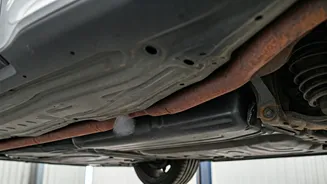
to prevent the chemical reactions that lead to rust formation. These coatings create a physical barrier between the metal surface and the elements that cause corrosion, such as moisture, oxygen, and salt. They are applied to various parts of a car, including the chassis, undercarriage, and body panels, which are especially vulnerable to environmental factors. The materials used vary, with some common examples including waxes, polymers, and specialized paints. These coatings can be applied during manufacturing, as aftermarket treatments, or as part of regular car maintenance. Their primary function is to extend the lifespan of your vehicle by preventing rust from eating away at the metal, thereby preserving structural integrity and aesthetic appeal. The choice of coating depends on factors such as the car's age, the environmental conditions it is exposed to, and the owner's budget. It's an investment in your car's long-term health, ensuring it remains rust-free and functional for years to come. Various application methods exist, including spraying, dipping, and brushing, each tailored to specific parts of the car. These coatings are constantly improved to offer better protection and ease of application.
Why Essential Now?
In a country like India, anti-rust coatings are more than just a luxury; they're a necessity. The Indian climate, with its high humidity, monsoons, and varying temperatures, creates an ideal environment for rust to flourish. Coastal regions, with the presence of salty air, exacerbate the problem. Roads that are treated with de-icing salts during winter months in northern regions also contribute to corrosion. Rust not only affects the appearance of your car but also causes significant structural damage. It weakens metal components, compromising the safety of the vehicle. If left unchecked, rust can lead to costly repairs, and ultimately reduce the car's resale value. Regular maintenance, including the application of anti-rust coatings, can effectively mitigate these risks. It's a proactive measure that safeguards your investment, keeping your car in optimal condition for a longer period. Moreover, as cars get older, the risk of rust increases, making the coatings even more vital for older models. In areas with poor road conditions, the undercarriage of a car is exposed to water, mud, and road debris, further accelerating the rusting process. Investing in such coatings is a smart decision, providing peace of mind and preserving the value of your vehicle in the long run. Proper application is crucial for the coating to be effective, which is why professional application is often recommended.
Types of Coatings
The market provides various types of anti-rust coatings, each with its own set of advantages. Wax-based coatings, for instance, are popular for their ease of application and their ability to creep into crevices to provide comprehensive protection. These coatings are often a good choice for newer cars or as a regular maintenance measure. Another common type is polymer-based coatings, which offer a more durable and long-lasting protection. They create a harder, more resilient barrier that is better suited for withstanding abrasive conditions. Then there are undercoating products, that are specifically designed for the undercarriage of a car. These are often made of rubberized or asphalt-based materials that offer a thick, protective layer against road salts, water, and impacts from road debris. Another type involves the use of specialized paints that contain rust inhibitors. These paints not only provide a protective layer but also work to stop the existing rust from spreading. Each type of coating is designed to address a different set of challenges. Choosing the right one depends on factors like the age of the car, the environmental conditions it’s exposed to, and your specific requirements. Regular inspections and maintenance of the coating are essential to ensure its continued effectiveness.
Benefits for Cars
Anti-rust coatings bring numerous benefits to car owners, significantly enhancing the longevity and value of their vehicles. They act as a preventative measure against corrosion, thereby maintaining the structural integrity of a car. This is particularly crucial for maintaining the vehicle's safety features, preventing issues like brake failure or structural collapse due to rust. These coatings also improve a car’s appearance. Rust can make a car look old and neglected, while a protective coating helps it retain its showroom finish. This is especially important if you plan to sell your car in the future; a rust-free vehicle will fetch a higher price. Applying such coatings is a cost-effective solution compared to the expenses associated with rust repair. Addressing corrosion can be extremely costly, with significant bodywork, welding, and part replacement often required. The use of coatings minimizes the need for such extensive and expensive repairs. Additionally, they contribute to the preservation of a car's mechanical components. Corrosion can damage crucial parts such as exhaust systems, fuel lines, and suspension components, so the protective barrier of these coatings helps in extending the life of these essential parts. In conclusion, anti-rust coatings offer a comprehensive defense strategy, preserving a car's aesthetic appeal, safety, and financial value.