






Initial EV Concept
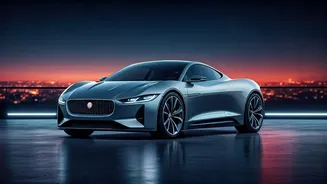
Jaguar recently introduced an electric vehicle (EV) concept car, which was met with a degree of skepticism by the public. The design, intended to showcase
the future direction of the brand, did not resonate well with many, leading to comments that ranged from disappointment to outright critique. This response indicates a divergence between the company's vision for its electric vehicles and the expectations of its audience. The unveiling of such a concept car often aims to gauge consumer interest and generate excitement, but in this instance, it appears to have fallen short of the mark. Public sentiment often plays a crucial role in the success of any new automotive design and it is necessary to consider the initial reactions.
Industry Reactions
Beyond the general public's reactions, industry professionals also weighed in on Jaguar's new EV concept design. One notable observation came from Harsh Goenka, who described the advertising campaign as 'more like an art film than a car commercial.' This comment suggests a perceived disconnect between the marketing approach and the typical expectations for a car advertisement. Industry insiders often scrutinize these presentations for how well they convey the car's features, and how effectively they aim to capture the attention of the targeted demographic. The opinion from key figures within the automotive sector adds another layer of complexity to the concept car's reception, highlighting both design and marketing perspectives.
Design Chief's Role
Recent discussions have also involved the role of the design chief at JLR, Gerry McGovern. However, reports emerged that denied that he was removed from the company. The design chief holds a pivotal position, guiding the overall aesthetic direction of a vehicle line, and his influence shapes the brand's identity. Any changes to the leadership within the design department can bring significant shifts in how future vehicles will look and feel. The denial of any job changes signals a level of stability in the direction of the brand's design, which may reassure fans and investors. It provides clarity to stakeholders about the continued vision for the company's vehicle designs.
Broader Industry Trends
The automotive industry is constantly evolving, with several trends shaping its direction. One major shift is toward electric vehicles, with companies like Jaguar investing in EV concept development to cater to consumer demands. Reviews of other recent vehicles, such as the Tata Sierra and the Kia Seltos, reflect changing consumer preferences in terms of technology, space, and style. These evolving preferences reflect the impact of technology, sustainability concerns, and other factors shaping vehicle design and the overall market. As manufacturers respond to these preferences, they adapt their design philosophies and product strategies to stay competitive.