




A New Era of Travel
Indian Railways has consistently sought to enhance its passenger services, introducing a range of modern train types over the past decade and a half. These
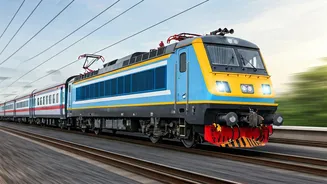
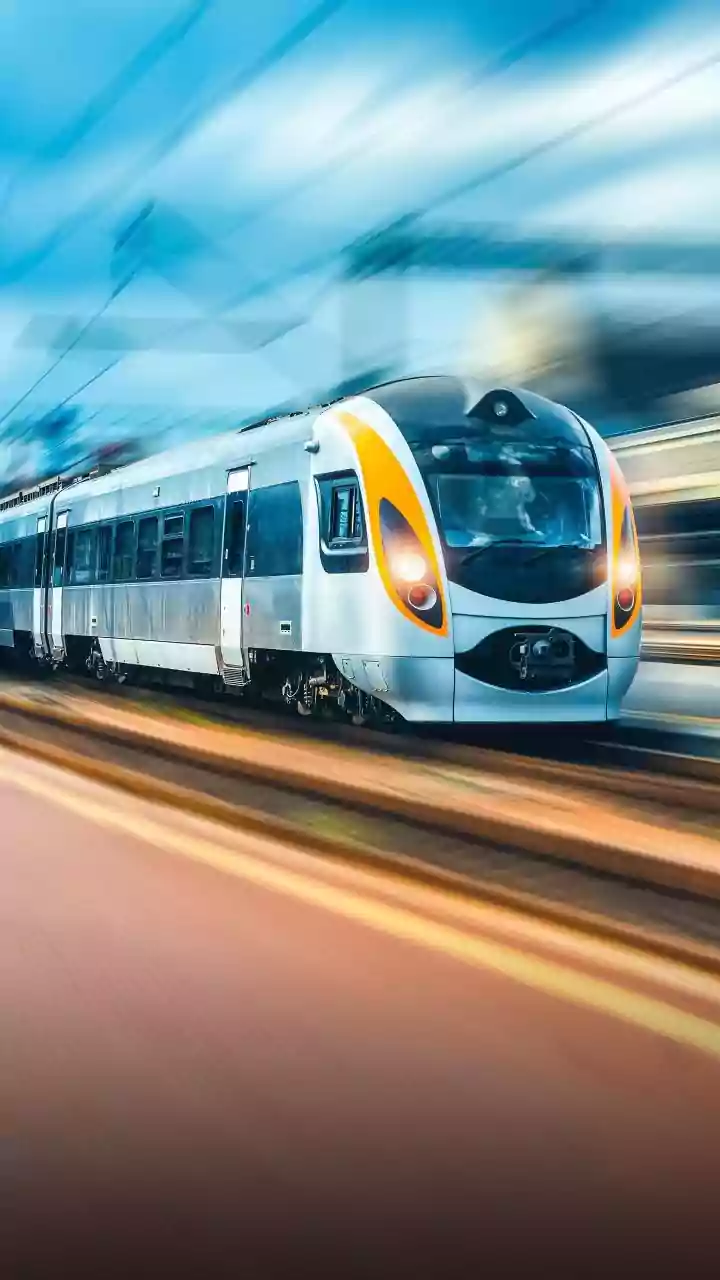
include visually appealing Vistadome coaches, the comfort-focused Humsafar Express, the technologically advanced Vande Bharat Express (both seating and sleeper variants), the rapid Tejas Express, and the swift Gatiman Express. These initiatives have collectively aimed at elevating the travel experience for a broad spectrum of passengers. However, alongside these premium and mid-segment options, a significant push has been made to cater to the economical travel needs of a vast population. This led to the development and introduction of the Amrit Bharat Express, a non-air-conditioned train designed specifically for long-distance routes, offering a highly affordable travel solution for low and middle-income families. The current configuration of these trains is thoughtfully arranged with 11 General Class coaches, 8 Sleeper Class coaches, a dedicated pantry car, and two luggage-cum-Divyangjan coaches, ensuring a balanced provision for diverse passenger requirements.
Unprecedented Success Story
In a remarkable display of passenger demand and operational efficiency, the Amrit Bharat Express has rapidly ascended to become Indian Railways' most successful new train service. While premium trains like the Vande Bharat and Humsafar have garnered attention, the Amrit Bharat Express has achieved an extraordinary milestone: an occupancy rate exceeding 100% during the 2025-26 period, as confirmed by Railways Minister Ashwini Vaishnaw up to March 10, 2026. This exceptional performance underscores the immense popularity and necessity of affordable, long-distance rail travel among Indian citizens. The train’s success is not merely a matter of high occupancy; it signifies a profound understanding of the market and an effective delivery of value to passengers who previously had limited options for comfortable yet economical journeys. This achievement positions the Amrit Bharat Express as a true frontrunner in Indian Railways' fleet modernization efforts.
Enhanced Passenger Amenities
The Amrit Bharat Express distinguishes itself not only through its affordability and high occupancy but also through a suite of modern amenities designed to enhance the travel experience. Passengers can expect improved aesthetics for seats and berths, drawing inspiration from the Vande Bharat Sleeper, offering a more pleasant ambiance. The train is equipped with jerk-free semi-automatic couplers and incorporates improved crashworthiness features in its coaches, including provision for crash tubes for enhanced safety. For security and convenience, a CCTV system is installed in all coaches. Toilet designs have been significantly improved, and ladders for accessing upper berths are more user-friendly. Passengers will find improved LED lighting and readily available charging sockets, including both USB Type-A and Type-C ports. Safety is further bolstered by an EP assisted braking system and an aerosol-based fire suppression system in toilets and electrical compartments. A notable feature is the emergency talk-back system, facilitating two-way communication between passengers and the train guard or manager. The non-AC pantry car offers enhanced heating capacity, and the fully sealed gangways ensure a more comfortable and streamlined passage between coaches, with a quick-release mechanism for easy coupling and decoupling.
Network of Connectivity
As of March 26, 2026, Indian Railways operates a substantial network of 60 Amrit Bharat Express services, connecting various parts of the country. These services are strategically deployed to serve diverse routes and passenger needs. Key routes include the Lokmanya Tilak (T) to Saharsa service (11015/11016), Gaya to Delhi (13697/13698), Muzaffarpur to Charlapalli (15293/15294), and Darbhanga to Anand Vihar (T) (15557/15558). Other significant operational routes encompass Darbhanga to Gomtinagar (15561/15562), Bapudham Motihari to Anand Vihar (T) (15567/15568), and Rajendranagar (T) to New Delhi (22361/22362). The extensive network also includes services from SMVT Bengaluru to Malda Town (13433/13434), Malda Town to Gomtinagar (13435/13436), and Chhapra to Anand Vihar (T) (15133/15134). Further connectivity is provided by routes like Sitamarhi to Delhi (14047/14048), Saharsa to Chheharta (14627/14628), and Madar to Darbhanga (19623/19624). The network's reach extends to Erode to Jogbani (16601/16602), Udhna to Brahmapur (19021/19022), Kamakhya to Rohtak (15671/15672), and New Jalpaiguri to Tiruchchirappalli (20609/20610). Additional routes include SMVT Bengaluru to Alipurduar (16597/16598), Panvel to Alipurduar (11031/11032), Tambaram to Santragachi (16107/16108), and Howrah to Anand Vihar (T) (13065/13066). The service also connects Sealdah to Banaras (22587/22588), New Jalpaiguri to Nagercoil (20603/20604), Dibrugarh to Gomti Nagar (15949/15950), Tambaram to Thiruvananthapuram Central (16121/16122), Nagercoil to Mangaluru (16329/16330), Charlapalli to Thiruvananthapuram North (17041/17042), Podanur to Dhanbad (16619/16620), Nagercoil to Charlapalli (16357/16358), and Charlapalli to Kamakhya (15673/15674), demonstrating widespread coverage.