



January: Winter's Embrace
January stands out as a prime month for exploring India, boasting delightful weather across vast regions. Northern India transforms into a picturesque
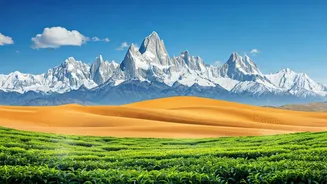
winter scene, with Kashmir, Himachal Pradesh, and Uttarakhand receiving snowfall. Meanwhile, Rajasthan and Gujarat offer pleasant conditions ideal for desert excursions. The southern parts of the country remain comfortably warm, inviting exploration. This month is also enriched by vibrant cultural festivities like Makar Sankranti and Pongal, providing a fantastic opportunity for both sightseeing and experiencing India's rich heritage.
February: Serene Travel Bliss
February presents a period of gentle, agreeable weather, shedding the intense chill of peak winter. It's a favoured time for couples and leisurely travellers seeking a relaxed pace. Renowned wildlife sanctuaries such as Ranthambore and Jim Corbett offer excellent opportunities for animal sightings, while the popular coastal destinations of Goa and Kerala continue to allure beach enthusiasts. This month strikes an excellent balance between favourable climate and ease of travel, making it ideal for a rejuvenating holiday.
March: Festivals & Spring
As spring begins to unfurl, March brings a welcome warmth and a spirit of celebration to India. The nation bursts with colour during the iconic Holi festival, celebrated with enthusiasm across towns and cities. Although temperatures start to rise towards the end of the month, hill stations, historical cities, and wildlife reserves remain exceptionally rewarding travel destinations. It's a lively period, particularly appealing to those interested in vibrant festivals and capturing stunning photographic moments.
April: High Altitude Havens
With the Indian plains experiencing increasing heat, the focus naturally shifts to cooler, elevated regions. Destinations like Shimla, Manali, Darjeeling, Ooty, and Munnar become particularly attractive, offering refreshing temperatures and breathtaking scenic beauty. Trekking trails and nature pathways become accessible, making April a preferred choice for family vacations and early summer escapes. This is the time to seek solace in the mountains.
May: Himalayan Retreats
May typically marks one of the hottest months across much of India, yet it also signifies the peak season for seeking refuge in the Himalayas. Mountainous regions in Himachal Pradesh, Uttarakhand, and the North-East witness a significant influx of visitors. Wildlife parks remain active, especially around dwindling water sources where animals congregate. For many, this month is synonymous with escaping the plains' heat and finding tranquility in the cool mountain air.
June: Gateway to Adventure
June represents a transitional month, where the remnants of early summer gradually yield to the approaching monsoon in various parts of the country. This period sees the opening of routes to destinations like Ladakh and Spiti Valley, attracting a large number of adventure enthusiasts eager to explore these high-altitude deserts. While parts of South India begin to experience rainfall, the northern hill stations continue to offer cooler and more peaceful retreats for travellers seeking respite.
July: Monsoon's Lushness
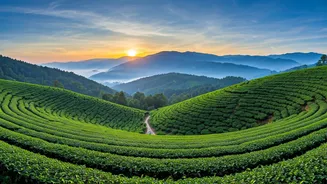
July is characterized by India's monsoon season, which drenches the landscape in vibrant shades of green, transforming the countryside into a lush spectacle. Waterfalls swell with renewed force, forests teem with life, and travel, though potentially slower, becomes incredibly scenic. Kerala and the Western Ghats, in particular, present a stunning visual appeal during this time. This season is best suited for those who appreciate nature's raw beauty and prefer travelling during quieter periods with fewer crowds.
August: Rains & Culture
The monsoon season typically extends into August, a month that also hosts a rich array of cultural events, including Independence Day and the significant harvest festival of Onam. Hill stations retain their misty, verdant charm, and the reduced tourist traffic allows for more peaceful and contemplative journeys. Many choose August for a deeper cultural immersion rather than for fast-paced sightseeing itineraries.
September: Post-Rain Clarity
As the monsoon rains begin to recede, September ushers in a period of renewed clarity and freshness across India's landscapes. The lingering greenery is vibrant, the air feels lighter and cleaner, and destinations that may have been subdued by the rains start to fully welcome visitors again. With fewer tourists and pleasant climatic conditions, this month is exceptionally rewarding for photographers and travellers looking for relaxed exploration opportunities.
October: Festival & Travel Peak
October is widely acclaimed as one of the most advantageous months for traveling in India. The monsoon showers have concluded, leaving behind clear skies, and comfortable, pleasant temperatures are experienced nationwide. Major festivals like Navratri and Durga Puja inject a vibrant energy and colourful atmosphere into the country. From the northernmost reaches to the southern tip, conditions are nearly perfect for extensive travel across multiple regions.
November: Stable & Pleasant
November offers some of the most reliably pleasant travel conditions experienced throughout the year in India. Characterized by mild temperatures, clear blue skies, and stable weather patterns, it's an ideal time for road trips, wildlife safaris, and historical explorations. Cities, deserts, beaches, and national parks all showcase their best attributes during this period, without the intensity of peak-season crowds.
December: Festive Winter Charm
December concludes the year with a delightful blend of festive cheer and winter's gentle beauty. Snow begins to grace the northern hill stations, while cities and coastal areas come alive with the spirit of Christmas and New Year celebrations. As one of the busiest months for travel, attracting both domestic and international visitors, planning ahead is essential for those seeking memorable winter experiences.