
Initial Sales Figures
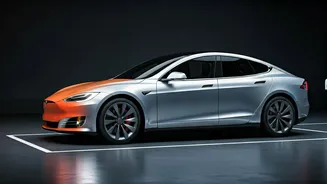
Tesla recorded sales of 225 electric vehicles in India during 2025. This marked the company's debut in the Indian market, signifying its commitment to
expanding its global footprint. The relatively modest figure in comparison to markets with well-established EV ecosystems may suggest cautious market entry or supply chain considerations. This initial number offers a preliminary snapshot of consumer reception and the groundwork laid by Tesla to penetrate the automotive sector. This shows Tesla’s gradual strategy in the region. The data point provides valuable insights into the market's initial acceptance of a premium electric vehicle brand, offering a basis for understanding how India's EV market is taking shape. It highlights the company's strategic choices regarding production, distribution, and pricing in India, and offers a baseline to track the evolution of Tesla's presence in the country as time went on.
Market Entry Impact
The introduction of Tesla into the Indian market, as reflected by the 2025 sales figures, sparked conversation within the automotive industry. It set the stage for competition, especially in the premium electric vehicle segment. The brand's arrival influenced how other carmakers strategized. Competitors might have assessed consumer response to Tesla's product range, pricing, and after-sales service to refine their market positioning and offerings. Tesla's entry also influenced government policies related to the electric vehicle sector in India, potentially leading to additional incentives, infrastructure development, and regulatory changes. It likely encouraged the expansion of charging networks, driving the shift towards sustainable transportation options. The ripple effects of Tesla's debut touched upon areas of infrastructure, policy, and consumer choices.
Consumer Adoption Trends
Tesla's presence helped shape consumer perceptions about electric vehicles, which influenced the general adoption patterns in India. Early adopters of Tesla vehicles were likely to be affluent consumers, influenced by brand appeal, innovative technology, and environmental considerations. The brand recognition and the aura of luxury surrounding Tesla attracted a specific demographic. A small number of initial sales gave valuable data on the buying behavior, preferences, and concerns of Indian consumers regarding electric vehicles. The introduction of these vehicles, though limited, gave a way for the company to learn and adapt to meet the local needs. The availability of charging infrastructure and the cost of ownership played a significant role in purchasing decisions. Government incentives, such as subsidies and tax benefits, made electric vehicles more attractive to consumers.
Strategic Market Analysis
The 2025 sales data offer a snapshot of Tesla's initial strategies in the Indian market. The company likely undertook several steps to build a foothold. This could involve direct sales models, developing partnerships, and establishing service centers. Given the market's dynamics, Tesla's strategy had to consider factors such as infrastructure limitations, government regulations, and local consumer preferences. The pricing strategy and the availability of variants significantly shaped the sales performance. The company's future moves would need to factor in evolving market trends, the competitive landscape, and the adoption of new technologies. These key elements would be critical to Tesla's success, influencing its long-term presence in the Indian market. The sales figures highlight the necessity of having a flexible and responsive strategy tailored to the Indian market.