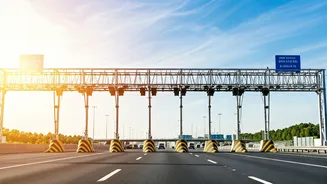








FASTag's Rapid Ascent
The remarkable growth in FASTag annual pass sales, surpassing 40 lakh within a few months, shows the success of the electronic toll collection system.
This speedy adoption rate underlines a shift toward digital transactions and streamlined processes on Indian highways. FASTag, which uses Radio Frequency Identification (RFID) technology, enables automated toll payments, bypassing the need for physical cash transactions at toll plazas. This technology has led to a major reduction in waiting times, improving overall traffic flow and contributing to an easier travel experience for drivers across India. The government's emphasis on digital initiatives and the convenience of FASTag have encouraged its rapid adoption. This growth is a positive sign for the future of road infrastructure in India, demonstrating the willingness of people to embrace technological advancements that enhance efficiency and convenience.
Benefits of the System
The advantages of FASTag are numerous and drive its widespread acceptance. Primarily, the system delivers a major boost in travel efficiency, cutting down wait times at toll plazas considerably. Drivers don't have to fumble for cash or wait for change; the RFID technology automatically deducts the toll fee from the linked account. This automated approach leads to significant time savings, especially for regular commuters and frequent travelers. Moreover, FASTag contributes to a greener environment by reducing traffic congestion and idling. Fewer stop-starts at toll booths mean reduced fuel consumption and lower emissions. The system also promotes transparency and accountability in toll collection, reducing opportunities for corruption and ensuring that toll revenues are properly accounted for. The integrated system allows for a more organized and efficient management of toll plazas, ultimately benefiting both road users and the authorities overseeing infrastructure development.
Government Initiatives Boost Sales
The government's concerted efforts have played a vital role in the high volume of FASTag annual pass sales. Initiatives like awareness campaigns, incentives, and the mandatory requirement for all new vehicles to have FASTag have accelerated adoption. Significant investments were made to expand the coverage of FASTag across the national highway network, ensuring broader access and convenience for drivers. The government streamlined the process of acquiring FASTag, making it available through multiple channels, including banks, online platforms, and toll plaza counters. By collaborating with various financial institutions, the government ensured that users could easily link their FASTag accounts with their existing bank accounts, simplifying the process of toll payments. These actions, combined with consistent communication about the advantages of FASTag, have proven incredibly effective in encouraging drivers to switch to the automated toll system.
Future Road Enhancements
The substantial increase in FASTag adoption has opened up avenues for significant advancements in road infrastructure. The data collected from FASTag transactions provides valuable insights into traffic patterns and usage, aiding in traffic management and strategic planning for highway expansions and upgrades. Toll plazas can be redesigned to optimize traffic flow, with dedicated FASTag lanes and improved infrastructure. The collected revenues can then be reinvested in highway maintenance, road safety measures, and new construction projects, further improving the overall driving experience. The growth of FASTag is also likely to encourage the adoption of more advanced technologies in toll collection, such as the use of artificial intelligence and machine learning for traffic monitoring and enforcement. This transition would not only make road travel more efficient but will also support the creation of a more sustainable and technologically advanced transportation system throughout India.