




Transforming Regional Travel
The Mumbai Metropolitan Region Development Authority (MMRDA) is on the verge of unveiling the Airoli-Katai Naka corridor, a significant infrastructure
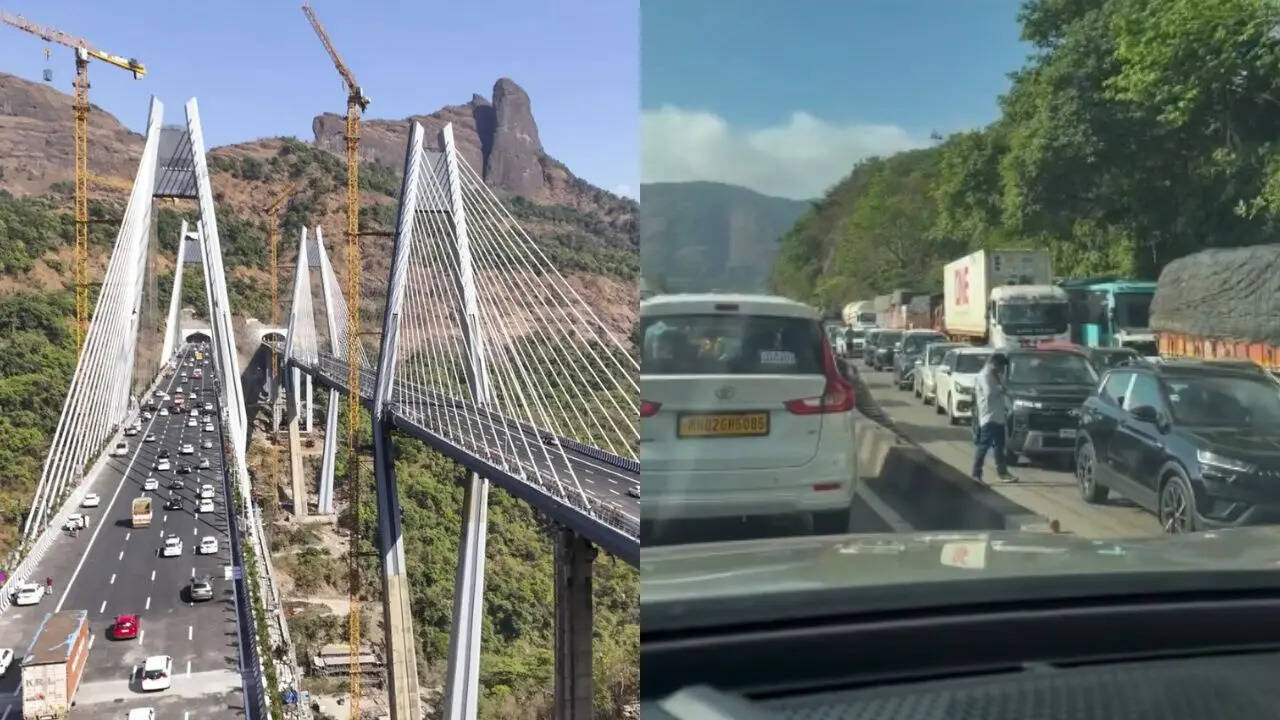
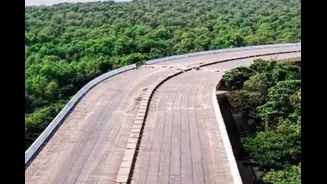
initiative designed to revolutionize transit across the MMR. This nearly 13-kilometer-long, high-speed corridor is being developed in three distinct phases, with the overarching goal of establishing seamless travel links between Airoli, Mumbra, and Katai Naka. Upon its operational launch, this corridor is anticipated to significantly alleviate traffic bottlenecks on numerous heavily burdened roadways. Furthermore, it is expected to bolster connectivity, linking Navi Mumbai, Thane, Kalyan-Dombivli, and Badlapur, thereby reinforcing the government's strategic 'Mumbai 3.0' growth agenda. This development represents a crucial step in enhancing regional mobility and fostering economic development by creating new, efficient pathways for commuters and commerce alike.
Phased Completion & Future Outlook
Officials from the MMRDA have indicated substantial progress towards the corridor's completion. Phase II of this ambitious project has reached full completion, paving the way for its imminent opening. Meanwhile, Phase I, which notably includes the project's critical tunnel section, is currently in its advanced final stages of execution. Both Phase I and Phase II are projected to be accessible to the public later this year, offering immediate relief. Complementing these phases, construction work on Phase III, which extends the corridor further towards Katai Naka, is actively underway. This final segment is targeted for completion by October 2028, ensuring a comprehensive and integrated transportation network for the region. The ongoing development underscores a commitment to long-term infrastructure enhancement, aiming to meet the growing demands of the expanding metropolitan area.
Reduced Congestion & Expanded Reach
A key benefit of the Airoli-Katai corridor will be the substantial reduction in traffic pressure on some of the region's most congested routes. Major arterial roads such as Shil Phata, Kalyan Phata, Mahape Road, and the already strained Thane-Belapur corridor are expected to experience significantly less vehicular load. Beyond alleviating existing congestion, the corridor is also projected to shorten the travel distance between Mulund and Katai Naka by approximately 7 to 8 kilometers. This reduction in distance, combined with the higher speeds facilitated by the new corridor, will translate into considerable time savings for daily commuters. This strategic enhancement in transport infrastructure is designed to improve the overall quality of life for residents and boost economic activity by facilitating smoother movement of people and goods.
Strategic Vision & Economic Impact
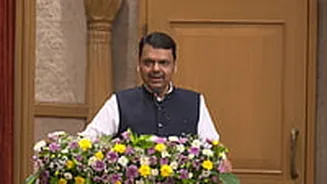
The development of the Airoli-Katai corridor is viewed as a strategic investment in Maharashtra's future infrastructure, as articulated by Chief Minister Devendra Fadnavis. This project is pivotal in strengthening the state's transportation network, thereby improving regional mobility and stimulating economic growth. It directly supports the government's broader 'Mumbai 3.0' vision, which focuses on developing new growth corridors beyond the traditional urban core. Eknath Shinde, Chairman of MMRDA, highlighted the significant relief this corridor will provide to commuters traveling between Thane and Navi Mumbai, estimating a reduction of 35 to 40 minutes in daily travel time. This enhancement in commuting efficiency is expected to positively impact the lives of lakhs of residents, fostering a more dynamic and connected metropolitan region.
Engineering Marvel: The Twin Tunnel
A standout feature of the Airoli-Katai corridor is its impressive 1.69-kilometer twin tunnel, which establishes a vital link between Airoli and NH-04 near Mumbra. This tunnel has been constructed utilizing the New Austrian Tunnelling Method (NATM), a sophisticated and advanced tunnelling technology employed globally for complex underground engineering projects. The tunnel has been outfitted with state-of-the-art operational and safety systems to ensure a secure and efficient passage for all users. These advanced features include intelligent lighting systems that adapt to traffic conditions, robust ventilation facilities to maintain air quality, comprehensive firefighting mechanisms, and high-pressure water mist systems, all designed to enhance commuter safety. These integrated systems are crucial for ensuring smooth and secure traffic flow once the corridor is fully operational, solidifying its role as a critical transport artery.
Boosting Logistics and Mobility Vision
Beyond its advantages for passenger movement, the Airoli-Katai Naka corridor is poised to significantly support commercial logistics and freight transportation. By providing faster and more reliable intercity connectivity, it will streamline the movement of goods, thereby boosting economic efficiency. This enhanced connectivity is expected to play a crucial role in bringing the government's ambitious 'Mumbai in Minutes' mobility vision closer to fruition. The corridor's development is not just about reducing travel time; it's about creating a more integrated and efficient transportation ecosystem that benefits both individuals and businesses, reinforcing the MMR's position as a major economic hub and driving further development across the region.