





A Taste of Tradition
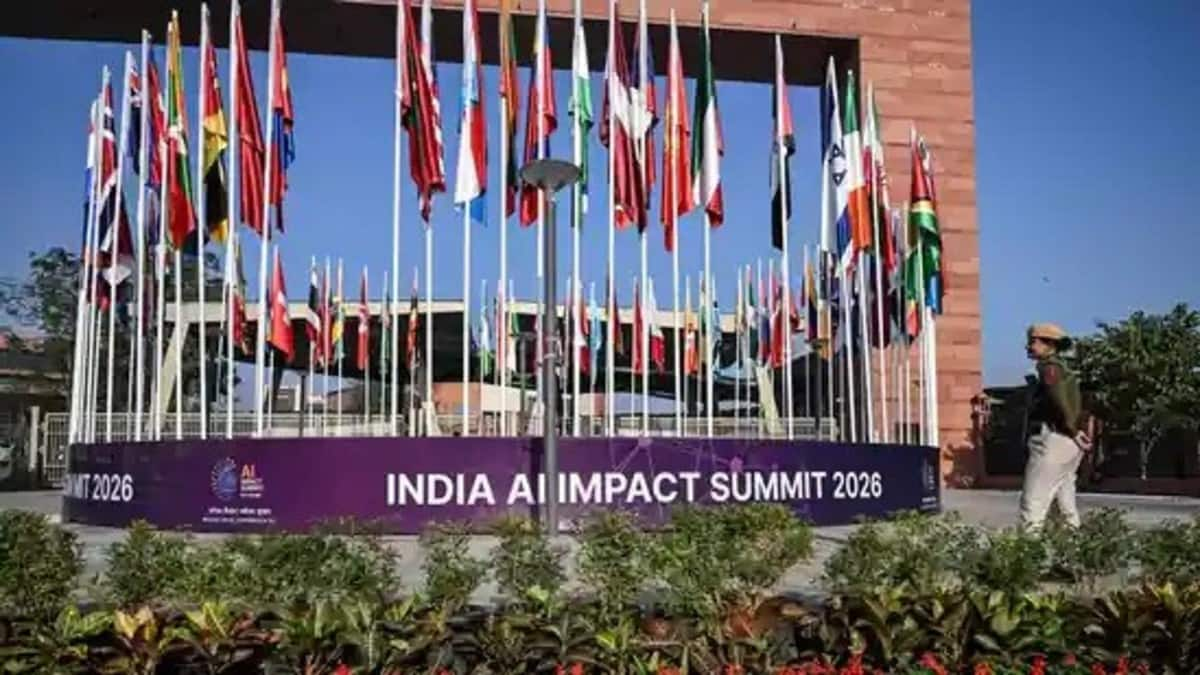
The India-AI Impact Summit 2026 saw Prime Minister Narendra Modi host a spectacular dinner at Bharat Mandapam, bringing together international leaders,
tech innovators, and policymakers. The culinary experience, orchestrated by ITC Group, was designed to embody the spirit of 'Vikas bhi, Virasat bhi' – Development and Heritage. This dinner specifically celebrated 'Shishir Ritu,' the Indian season signifying the transition from late winter to early spring. The menu's core philosophy was to highlight the richness of India's agricultural roots, with a special emphasis on nourishing and restorative local millets and produce that have received Geographical Indication (GI) tags. This thoughtful approach aimed to connect the nation's past farming practices with its ambitious future in artificial intelligence and food security, offering guests a unique gastronomic narrative of India's past, present, and future.
Starter: Old Delhi Vibes
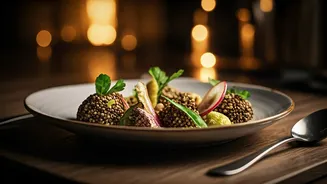
The gastronomic journey commenced with 'Varnila,' a starter designed to evoke the vibrant spirit of Old Delhi's street food culture. This dish was a visual and textural masterpiece, presenting a lively chaat composed of delicate baby spinach crisps and ethereal yogurt spheres. The flavor profile was expertly balanced, featuring a harmonious interplay between a tangy tamarind-date chutney and a refreshing cilantro relish. A dusting of authentic Old Delhi masala added a layer of aromatic complexity, while a multifloral Sorghum (Jowar) millet crisp provided a delightful crunch. Each serving contained approximately 213 kcal per 100 g, offering a light yet flavorful introduction to the main courses, setting a high standard for the culinary exploration that followed.
Main Course: Himalayan Bounty
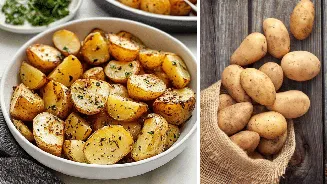
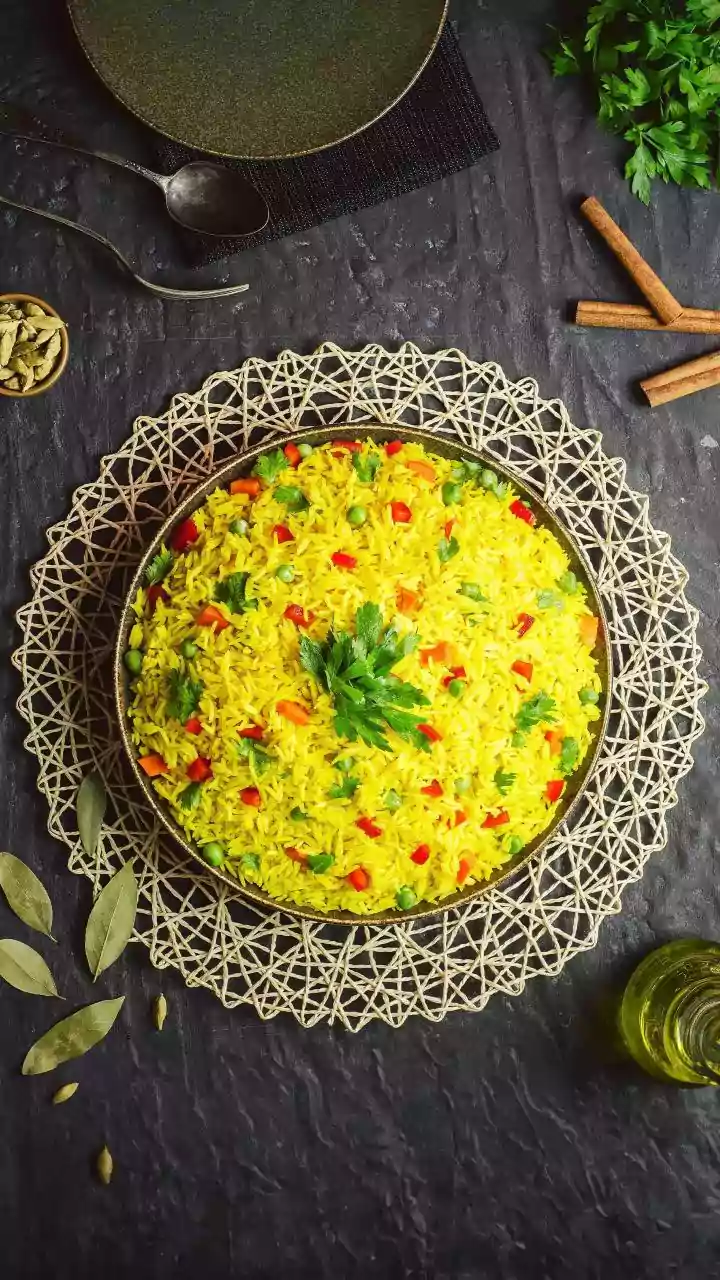
Titled 'Sasya,' meaning 'The Harvest,' the main course delved deep into the distinctive 'Pahadi' (mountain) flavors originating from the Kumaon region of Uttarakhand. A star of this section was the GI-tagged Munsyari Rajma, celebrated for its exceptionally creamy texture and subtle nutty undertones. Accompanying the rajma was a fragrant pulao, a delightful fusion of traditional Pahadi rice and Barnyard Millet (Jhangora), offering a complex and aromatic grain experience. The meal was further enriched by Kumaoni Aloo Gutke, tender potato chunks seasoned with the distinct Himalayan spice Jakhya, served alongside a smooth, vibrant tomato-anari (pomegranate) sauce. This main course portion contained approximately 331 kcal per 100 g, providing a hearty and authentic taste of the mountains.
Artisanal Breads
Complementing the main course was an array of artisanal breads, each representing the diverse and rich baking traditions found across India. From Uttar Pradesh, guests were offered Taftaan, a leavened flatbread infused with the subtle aroma and color of saffron, known for its wonderfully light and flaky texture. Representing the Kashmir Valley was Kashmiri Girda, a traditionally shaped round bread characterized by its unique dimpled center, baked fresh to embody the essence of the region. These breads provided a perfect accompaniment to the diverse flavors of the main course, showcasing India's regional culinary artistry.
Dessert: Sweet Fusion
The grand finale, a dessert titled 'Nisarga' (Nature’s Creation), masterfully blended beloved Indian sweets with contemporary global pastry techniques. The highlight was the signature Rasmalai Tres Leches, a creative interpretation featuring a soft, creamy chena cake sponge decadently soaked in sweetened milk. This modern marvel was presented atop a bed of Bajra (Pearl Millet) streusel, adding a delightful textural contrast, and was adorned with a jewel-toned winter berry preserve. Guests also had a choice of traditional beverages, including aromatic Kashmiri Kahwa, robust South Indian Filter Coffee, and the classic Darjeeling Tea. The meal concluded with a delightful Indian Rose and Mishri Gulkand Chocolate Leaf, a modern take on the traditional paan, offering a sweet and memorable conclusion to the dining experience.
Strategic Culinary Message
Beyond the exquisite flavors, the menu carried a significant strategic message for the 2026 summit. The deliberate and prominent inclusion of millets like Jowar, Jhangora, and Bajra directly supported India's nationwide 'Millet Mission.' This culinary choice served as a powerful demonstration to the assembled world leaders, highlighting that sustainable and climate-resilient agricultural practices are not merely an aspiration but a fundamental component of India's future food security strategy, intricately linked with its advancements in artificial intelligence. The menu was a tangible representation of India's commitment to leveraging both tradition and technology for a better future.