





When Does Navratri Begin?
The vibrant festival of Chaitra Navratri in 2026 is set to commence on March 19th. Although some confusion might arise due to specific tithi timings that
span across two days, the official beginning is confirmed for Thursday, March 19th. The nine days of fervent devotion and spiritual observance will conclude on March 27th. This period is highly regarded by devotees for its spiritual potency, offering a prime opportunity for self-purification, deep meditation, and cultivating unwavering faith. The festival is a significant marker in the Hindu calendar, signifying the dawn of the Vikram Samvat, the traditional Indian lunisolar calendar, heralding a time of renewal and auspicious beginnings. It also culminates with the celebration of Ram Navami, commemorating the birth of Lord Shri Ram, reinforcing the festival's thematic focus on the triumph of righteousness.
Ghatsthapana Auspicious Timing
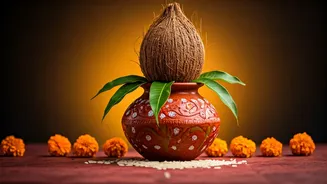
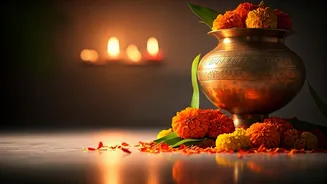
The foundational ritual of Chaitra Navratri is Ghatsthapana, also known as Kalash Sthapana, which signifies the formal inauguration of the nine-day festivities. Precise timing for this sacred act is crucial for invoking divine blessings. According to Drik Panchang, the Pratipada Tithi, the first day of the lunar month, begins on March 19, 2026, at 06:52 AM and concludes on March 20, 2026, at 04:52 AM. Within this period, the most auspicious window for performing Ghatsthapana is between 06:52 AM and 07:43 AM on March 19th. Additionally, the Abhijit Muhurat, considered highly propitious for all auspicious undertakings, falls between 12:05 PM and 12:53 PM on the same day. Observing these specific timings ensures the ritual is performed under the most favorable astrological conditions, enhancing its spiritual efficacy.
Significance of Chaitra Navratri
Chaitra Navratri holds profound spiritual and cultural importance within the Hindu tradition. It is a period dedicated to the worship of Goddess Durga, celebrating her divine feminine power and her role as the vanquisher of evil. The festival serves as a powerful reminder of the eternal battle between good and evil, emphasizing the ultimate victory of righteousness. Moreover, it marks the commencement of the Hindu New Year according to the Vikram Samvat calendar, symbolizing fresh starts, new resolutions, and the cyclical nature of time. The nine days are considered exceptionally sacred for spiritual growth, offering devotees a dedicated time for introspection, prayer, and purification. The festival's culmination with Ram Navami underscores its connection to Lord Rama, highlighting themes of devotion, dharma, and the triumph of virtue.
Simple Home Puja Rituals
Observing Chaitra Navratri at home involves a series of simple yet meaningful rituals designed to connect with the divine. It is customary to begin the day with an early morning bath, followed by a thorough cleansing of the home and the designated puja space. An idol or picture of Goddess Durga should be placed on a clean, elevated platform. The central ritual involves setting up a Kalash, a sacred pot filled with water and often topped with a coconut, to be consecrated during the auspicious Ghatsthapana muhurat. A lamp (diya) lit with ghee should be maintained throughout the festival, with offerings of fresh flowers, fruits, and sweets. Devotees also offer 'shringar' items like bangles and sindoor to the Goddess. Reciting Durga mantras, chanting the Durga Chalisa, or reading the Durga Saptashati are integral parts of the daily worship. In the evening, the puja is performed again, and a 'bhog' (food offering) is presented. After partaking in the prasad, devotees typically break their fast with simple, sattvic food.
Powerful Durga Mantras
The chanting of specific mantras is an integral part of worshipping Goddess Durga during Navratri, believed to invoke her blessings, bring peace, and foster positivity. Several powerful mantras are traditionally recited. Among the most revered are: 'Om Jayanti Mangala Kaali, Bhadrakali Kapalini, Durga Kshamā Shiva Dhatri Swaha Swadha Namostute,' which invokes the fierce and benevolent aspects of the Goddess. Another significant mantra is 'Om Sarva Mangala Mangalye, Shive Sarvartha Sadhike, Sharanye Tryambake Gauri Narayani Namostute,' seeking auspiciousness and fulfillment of desires. The mantra 'Sarva Badha Vinirmukto, Dhan Dhanyah Sut Vaan, Manushyo Mat Prasaden Bhavishyathi Na Sanshayah' is often chanted to be freed from all obstacles and attain prosperity. Finally, 'Sarva Swaroopay Sarveshe Sarvavastu Roopay Sadashivay Namastestu, Namaste Namaste Namaste' honors the Goddess in all her forms. Regular recitation of these mantras can significantly enhance spiritual focus and attract divine grace.