






A New Era of Connectivity
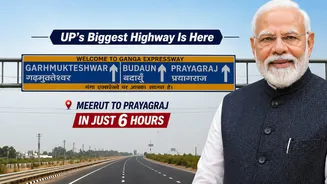
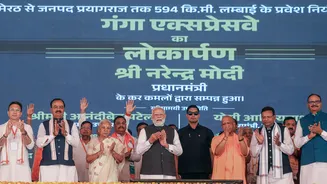
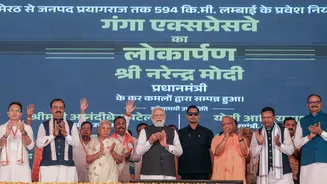
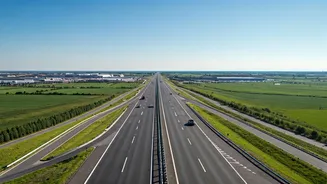
The recently inaugurated 594-kilometer Ganga Expressway, a colossal infrastructure undertaking in Uttar Pradesh, is poised to dramatically reduce travel
times between Meerut and Prayagraj, slashing the journey from approximately 10-12 hours to a more manageable 6-8 hours. This six-lane, access-controlled corridor, expandable to eight lanes, is not merely about faster commutes; it's engineered as a comprehensive development engine. Stretching across 12 districts, it aims to bridge the historical economic disparities between the western and eastern regions of the state. The expressway's strategic alignment connects well-developed industrial zones with areas that have traditionally seen less investment, fostering a more balanced regional development. Beyond passenger mobility, the project's core vision is to act as a vital artery for economic activity, supporting a wide array of sectors and paving the way for significant future growth.
Industrial and Logistics Powerhouse
The Ganga Expressway is meticulously planned to serve as a significant driver for industrial and logistics sectors. The Uttar Pradesh government has designated approximately 6,507 acres of land along the corridor for the development of 12 Integrated Manufacturing and Logistics Clusters (IMLCs). These clusters are envisioned to specialize based on the unique strengths of each district, encompassing areas like manufacturing, e-commerce, food processing, and warehousing. Early indications are promising, with nearly 987 investment proposals amounting to around Rs 47,000 crore already received. This substantial investment pipeline suggests a strong industrial future for the region, with the expressway facilitating smoother freight movement, reducing inventory carrying costs (estimated to fall by 15-20%), and shortening transport routes for bulky goods. Experts anticipate a significant increase in warehousing demand, potentially by 25-35%, and expect districts like Shahjahanpur and Hardoi to experience heightened economic activity due to improved logistics.
Real Estate and Urban Growth
The infrastructural leap provided by the Ganga Expressway is expected to catalyze a significant boom in the real estate sector across Uttar Pradesh. Industry experts predict substantial land appreciation along the corridor, with potential increases of over 40% in areas like Meerut already observed, and further demand anticipated in Ghaziabad. Select markets are projected to see 30-40% appreciation in the coming years, especially with enhanced connectivity to the Jewar airport and the Yamuna Expressway. Cities like Prayagraj are also seen as major beneficiaries, with forecasts of 20-30% appreciation in the next three to five years. More broadly, the expressway is viewed as a driver of corridor-led urbanization, potentially sparking a new housing growth cycle in Tier-II cities. Land situated within a 5-10 km radius of the expressway could witness a 30-50% rise in value over the next four to six years, signaling a comprehensive transformation of the urban landscape.
Boosting Agriculture and Tourism
Beyond its industrial and real estate implications, the Ganga Expressway holds significant promise for the agricultural and tourism sectors of Uttar Pradesh. For agriculture, enhanced connectivity means faster and more cost-effective transportation of produce from farms to markets, potentially reducing spoilage and improving farmer incomes. The reduced travel times and improved logistics can directly benefit the agricultural supply chain. In terms of tourism, the expressway will significantly improve access to key destinations. Locations such as Varanasi, Garhmukteshwar, and the Triveni Sangam in Prayagraj are expected to see a surge in visitor numbers, supported by ongoing investments in religious tourism infrastructure. This increased accessibility can foster secondary economic growth, benefiting local businesses and communities surrounding these tourist hotspots.
Strategic Advantages and Future Links
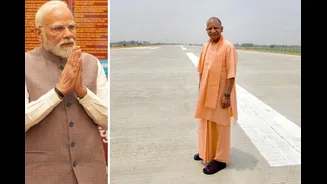
The Ganga Expressway boasts several unique strategic features that set it apart from conventional highways. Notably, it includes a 3.5-kilometer airstrip in Shahjahanpur, designed for emergency landings by fighter aircraft, adding a critical defense utility to the corridor. Its significance is further amplified by its integration into a wider expressway network, providing seamless connectivity to the Yamuna Expressway, Agra-Lucknow Expressway, and the Jewar Link Expressway, with potential extensions planned towards Haridwar. This interconnectedness is crucial for creating a robust transportation ecosystem. Analysts emphasize that the Ganga Expressway's distinctiveness lies in its integrated approach, combining road infrastructure with planned industrial clusters, logistics hubs, airport links, and urban development strategies, positioning it as a pioneering development corridor model rather than just a road project.