
Deal's Impact on Pakistan
The defense agreement between the United Arab Emirates and India has prompted a strong reaction from Pakistan. This response is rooted in a complex set
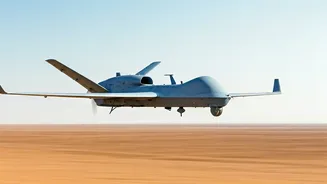
of geopolitical considerations, including the balance of power within the region. The deal, which enhances India's military capabilities, potentially shifts the strategic landscape, creating an imbalance. This shift has led Pakistani authorities to express their concerns, which includes the potential for increased regional instability. Pakistan views the deal as a development that could affect its national security interests and, subsequently, its position in the geopolitical arena.
Understanding Pakistani Concerns
Pakistan's anxieties stem from a multifaceted viewpoint, taking into account the broader implications of India's increased military power in the region. The strategic partnership between India and the UAE could introduce new military capabilities that could be perceived as a threat. Pakistan worries that this strengthened cooperation might alter the equilibrium in South Asia, possibly leading to a more assertive role for India in the region. Furthermore, there are worries about the possibility of an arms race. The deal has the potential to cause Pakistan to feel compelled to seek its own advanced military technology to protect its own national security interests.
Financial Implications Examined
Pakistan's response encompasses economic considerations, highlighting the financial ramifications of the UAE-India defense deal. The deal's financial scope and investment in the Indian defense sector could indirectly affect Pakistan's economic standing. It could lead to a possible diversion of resources from other crucial areas such as social welfare and development, further impacting Pakistan's economic growth. Furthermore, Pakistan fears the possible erosion of its market share in defense-related exports. The deal could change the financial balance of power in the region and impact Pakistan's ability to maintain its military and economic stability, which is essential to its strategic objectives.
Political Ramifications Explored
The political ramifications of the UAE's defense deal with India stretch far beyond the military realm, influencing regional alliances and diplomatic ties. Pakistan could find itself having to rethink its strategic partnerships. The deal has introduced complexities that could possibly strain long-standing relationships with certain nations, including the UAE. Pakistan will have to find ways to navigate the new geopolitical landscape, perhaps through diplomatic engagement. Additionally, the deal has the potential to elevate tensions, requiring careful management from key players, and could have long-term repercussions for political relations.
The Road Ahead
Looking forward, the regional dynamics are expected to continue to evolve. Pakistan's strategic approach will be very important in how the situation plays out. The nation might need to undertake strategies aimed at safeguarding its interests, which could range from intensifying diplomatic initiatives to re-evaluating military strategies. The reaction to the deal has the potential to reshape alliances, alter regional power dynamics, and require a period of adaptation for all parties. The future could be defined by careful diplomacy, strategic planning, and a nuanced understanding of the evolving regional dynamics, which emphasizes the significance of international cooperation and negotiation.