





Heat Expansion Hazards
As temperatures climb during the summer months, the fuel in your car's tank undergoes a natural process of expansion. Gasoline, much like other liquids,
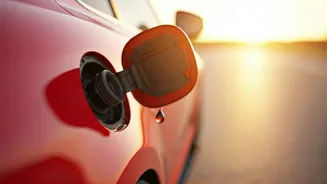
increases in volume when exposed to heat. If you habitually fill your tank until the pump clicks off multiple times, or you actively try to 'top it off' beyond that point, you're essentially leaving no room for this expansion. This excess fuel has nowhere to go but out, potentially leading to spillage. Such spills not only create an unpleasant odor but, more critically, they pose a significant fire risk, especially in warmer weather when ignition sources can be more prevalent. It's a simple principle of physics: confined liquids expand, and if they can't expand, they can escape their confines.
EVAP System Woes
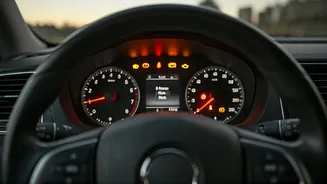
Beyond the immediate safety concern of spillage, overfilling your fuel tank can inflict damage on your car's sophisticated evaporative emission control system, commonly known as the EVAP system. This system is designed to capture fuel vapors that would otherwise escape into the atmosphere and route them back into the engine to be burned. When you fill the tank beyond its designed capacity, liquid fuel can be forced into the EVAP canister, which is intended only for vapors. This can saturate the canister, leading to a malfunction and often triggering the dreaded 'Check Engine' light on your dashboard. Rectifying EVAP system issues can range from a simple canister replacement to more complex repairs, translating into unexpected and potentially expensive maintenance costs for your vehicle, all stemming from an unnecessary habit.
Smart Fueling Practices
The solution to avoiding these summer fueling pitfalls is remarkably straightforward: resist the urge to fill your tank completely to the brim. Instead, pay attention to the pump's automatic shut-off. Once the nozzle clicks off, consider that your fuel tank has reached its optimal fill level. Leaving a small buffer, typically around 5-10% of the tank's capacity, provides adequate space for the fuel to expand safely without spillage or system damage. This mindful approach not only safeguards against potential fire hazards but also protects the integrity of your car's emission control system, ultimately saving you from potential repair bills and ensuring your vehicle runs efficiently. It’s a small adjustment in your routine that yields significant benefits for both your safety and your car’s longevity.