





Exterior Polish Perfection
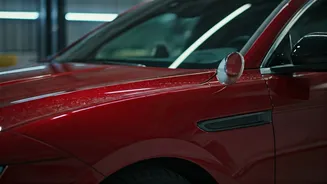
Begin your car's grand reveal by scrutinizing its exterior under ample daylight. Look meticulously for any imperfections on the paintwork, such as faint
scratches, subtle dents, or signs of amateur touch-ups, which can be indicators of previous issues. Pay close attention to the uniformity of the gaps between body panels, like the doors, bonnet, and boot. Uneven spacing might suggest improper assembly or even prior damage that wasn't professionally rectified. Furthermore, cast a keen eye over the headlamps, tail lights, side mirrors (ORVMs), and the intricate design of the alloy wheels, ensuring they are free from any visible blemishes or defects that could mar their appearance or functionality.
Interior Comfort & Tech
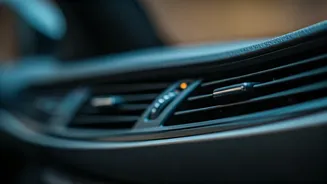
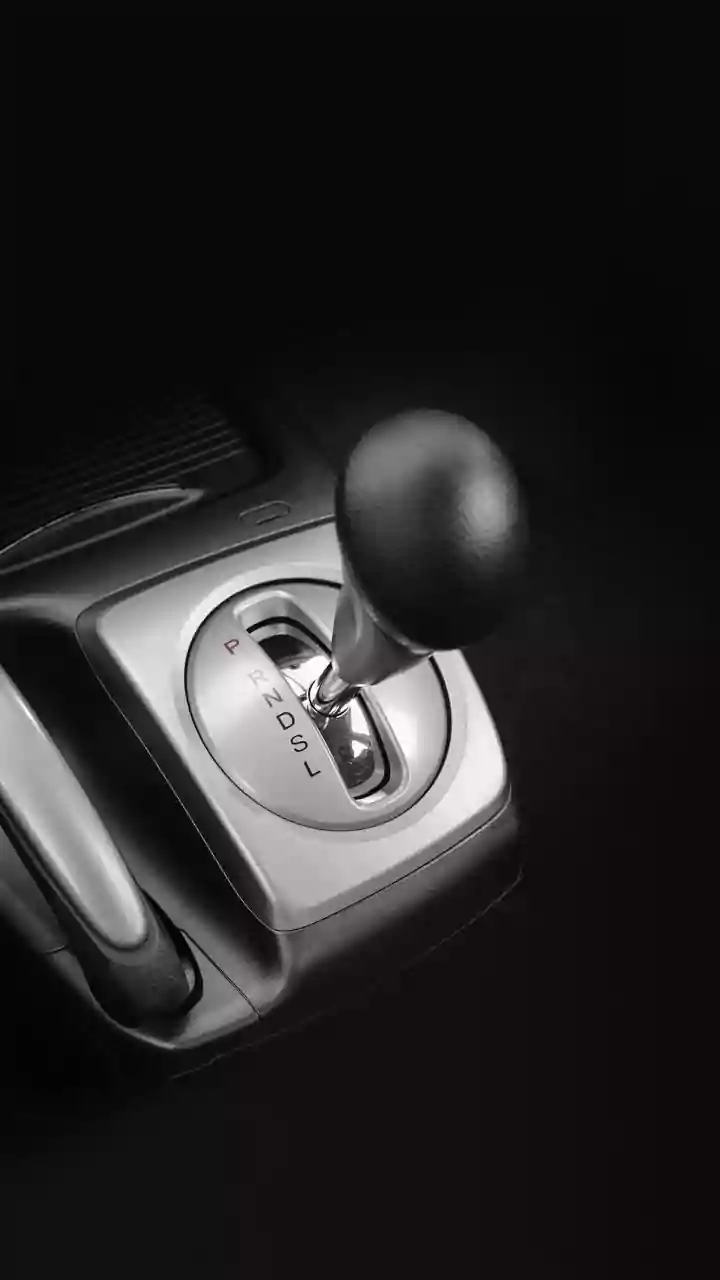
Transitioning indoors, your focus should shift to the cabin's ambiance and functionality. Examine the upholstery, the dashboard's finish, and all interior trims for any signs of wear, tear, or unsightly stains that shouldn't be present in a new vehicle. Next, conduct a thorough test of all electronic features. This includes operating the infotainment system and its touchscreen interface, ensuring the power windows glide smoothly, verifying the central locking system is responsive, and confirming the air conditioning blows at the expected temperature. Crucially, glance at the instrument cluster to confirm that no warning lights are illuminated, which would signal an immediate concern requiring dealer attention.
Authenticity Verification
A critical step before accepting your new vehicle is to rigorously confirm its identity and manufacturing details. Cross-reference the Vehicle Identification Number (VIN) and the engine number precisely against the documentation provided by the dealership. These numbers are unique identifiers and must match exactly. Equally important is checking the car's manufacturing date. This detail is vital to ascertain that you are not receiving an older stock unit that may have been sitting in storage for an extended period. This thorough verification process solidifies the vehicle's authenticity and confirms its recent production, ensuring you get a truly new car.
Engine Bay Snapshot
While a professional mechanic's inspection might be beyond the scope of a PDI, a basic but informed look under the hood is highly recommended. Open the bonnet and scan for any obvious signs of trouble. Look for any tell-tale oil leaks that might be dripping onto components below, or any loose wiring harnesses that appear haphazardly connected. Observe the general cleanliness and arrangement of parts, seeking any unusual or out-of-place elements. Also, check the critical fluid levels: the engine oil, coolant, and brake fluid should all appear to be at their appropriate marks and maintain a clean, uncontaminated appearance, indicating they are ready for use.
Tyre & Wheel Health
Often overlooked in the excitement of delivery, the tyres are a cornerstone of your car's safety and performance. Inspect each tyre closely. A key detail to check is the tyre manufacturing date, typically found on the sidewall; ensure these are recent and not from a prior year. All four main tyres should exhibit pristine condition, showing no signs of premature wear, cuts, or unusual bulges. Beyond the main set, crucially confirm that the spare tyre is indeed present in its designated location and appears to be in good, usable condition, ready to serve if needed.
Accessories and Paperwork
As you approach the final handover, meticulously verify that every promised accessory is present and accounted for. This could range from essential floor mats and a comprehensive tool kit to the spare set of keys and the owner's manuals. Don't overlook the paperwork; carefully review all official documents. This includes the final invoice, the insurance policy papers, the warranty booklet detailing coverage, and any initial registration forms. Ensuring all these items are correct and complete now can prevent significant administrative headaches and disputes down the line.