






Greasy & Fried Delights
Indulging in deep-fried roadside snacks like pakoras, samosas, or hearty chole-bhature might seem like a classic road trip treat, but these can often lead
to a heavy and sluggish feeling, significantly impacting your alertness on long drives. The excessive oil and richness can also contribute to digestive discomfort and acidity, especially if consumed on an empty stomach. Instead of these tempting but potentially troublesome options, consider lighter preparations or seek out freshly grilled items that offer flavor without the heavy aftermath, ensuring you stay energized and comfortable throughout your travel time. Making mindful choices about these rich, fried foods is key to a pleasant and efficient journey.
Street-Side Cut Fruits
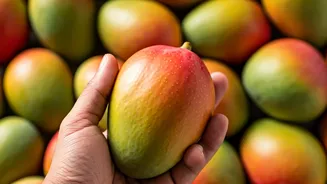
While the appeal of pre-cut fruits at roadside stalls is undeniable, especially on a hot day, it's wise to exercise caution. These fruits, often exposed to open air, dust, and varying hygiene standards of handling, carry a higher risk of contamination compared to their whole, unpeeled counterparts. The process of cutting and preparing them can introduce bacteria that might not be immediately apparent. For a safer and equally refreshing option, it's recommended to opt for whole fruits that you can wash and peel yourself, or choose sealed, packaged fruit servings from reputable vendors. This simple step significantly reduces the potential for foodborne illnesses and ensures you get your dose of vitamins without the worry.
Dairy's Temperature Tango
Be cautious with dairy-based products when traveling, particularly in warmer climates. Items like lassi, creamy paneer dishes, or even certain yogurts can spoil rapidly if not stored at optimal temperatures, posing a significant risk of stomach infections and digestive upset. The high ambient temperatures encountered during highway travel can accelerate bacterial growth in these sensitive foods. It is advisable to scrutinize the hygiene practices of the establishment and the temperature at which these products are kept before making a purchase. Prioritizing well-refrigerated dairy options or avoiding them altogether during peak heat can prevent an unwelcome detour to your journey due to illness.
The Sugar Crash Trap
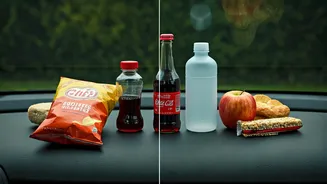
Sugary drinks and carbonated beverages are often the go-to choice for a quick pick-me-up during long drives, but they come with a hidden cost. While offering a temporary surge in energy, these drinks can paradoxically lead to dehydration and subsequent fatigue as their effects wear off. The high sugar content can disrupt your body's natural energy regulation. For sustained hydration and energy, it's far more beneficial to opt for plain water, which is essential for maintaining bodily functions and preventing drowsiness. Alternatively, consider electrolyte-rich drinks, especially if you've been exposed to significant heat, to replenish lost salts and maintain optimal hydration levels for a more consistent and comfortable driving experience.
Risky Reheated Bites
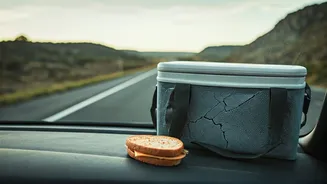
A significant yet often overlooked risk on highway journeys lies in the consumption of undercooked or improperly reheated food. Many roadside eateries may serve dishes that haven't reached the safe internal temperatures required to eliminate harmful bacteria, or food that has been prepared much earlier and reheated multiple times. Such food can harbor pathogens that lead to food poisoning. To mitigate this risk, prioritize meals that are prepared fresh and served steaming hot. This ensures that the food has undergone proper cooking and is less likely to contain dangerous microorganisms, safeguarding your health and allowing you to enjoy your trip without digestive distress.