





Expressway's Swift Arrival
The much-anticipated Delhi-Dehradun Economic Corridor has drastically reshaped travel between the nation's capital and Uttarakhand's capital. Journeys
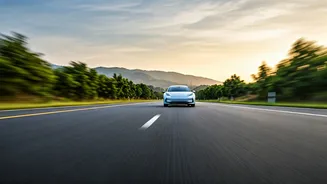
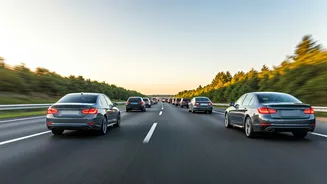
that previously demanded several hours can now be accomplished in a remarkably short span of about two-and-a-half to three hours. This substantial reduction in travel time has brought a new level of convenience for tourists and those who frequently commute between these two key locations. The efficiency gains are palpable, making the prospect of visiting Dehradun much more appealing and accessible than ever before. This development promises a smoother and faster start to any trip originating from Delhi.
The Dehradun Bottleneck
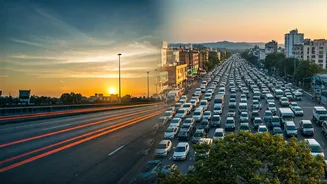
While reaching Dehradun itself has become remarkably quick thanks to the new expressway, the subsequent journey to the popular hill station of Mussoorie presents a significant challenge. Many travelers, expecting a seamless continuation of their swift journey, find themselves confronted with severe traffic congestion within Dehradun city. The time taken to traverse from Dehradun to Mussoorie can often rival, or even exceed, the time it took to reach Dehradun from Delhi in the first place. This contrast between the express highway experience and the city's traffic reality can be a frustrating realization for those eager to ascend to the cooler climes of Mussoorie.
City Congestion Woes
The core of the problem lies in the substantial traffic jams that plague Dehradun's city limits. As vehicles transition from the high-speed expressway onto city roads, they frequently encounter lengthy queues at critical intersections. Key choke points include areas like Transport Nagar, ISBT, Adhat Bazaar, Rajpur Road, and Mussoorie Road. These bottlenecks dramatically impede the flow of traffic, particularly during periods of peak tourist influx. This situation is further exacerbated on weekends when the volume of visitors surges, leading to even more protracted delays and frustration for travelers attempting to reach their final destinations.
Infrastructure Lag
Compounding the congestion issue is the delay in completing several vital infrastructure projects that are crucial for managing increased vehicular flow. Residents voice concerns that high-speed vehicles arriving from the expressway are suddenly forced onto narrower city streets, not only causing jams but also elevating the risk of accidents. Critical projects that remain unfinished include the Mussoorie-Kimadi Road, where only initial surveys have been completed, and the Asharodi-Jhajhra Road, which, if finished, would offer an alternative route towards Paonta Sahib and Shimla, bypassing Dehradun altogether. The Rispana-Bindal Corridor faces hurdles due to land acquisition and encroachments, while the Asharodi-Mohkampur elevated road and the relocation of Adhat Bazaar have been pending for years. The continued delay in these projects means the benefits of the expressway are significantly diminished once travelers enter the city.
Future Traffic Concerns
Experts and residents alike are warning that without prompt completion of these pending infrastructure upgrades, the new expressway could inadvertently worsen Dehradun's traffic situation. As the number of tourists from Delhi continues to rise, the city's current road network is proving insufficient to handle the increased load. This necessitates urgent intervention and a concerted effort to expedite projects like the widening of the Bhaniyawala-Rishikesh route and the development of the Kimadi Road. Failure to address these issues proactively could lead to persistent and escalating traffic congestion, undermining the very convenience the expressway was intended to provide for the journey beyond Dehradun.