





ICE's Unexpected Comeback
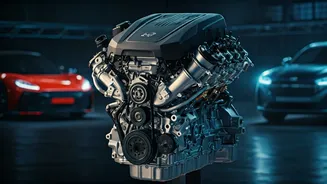
The narrative surrounding the demise of the internal combustion engine (ICE) has been dramatically overblown. Not long ago, industry analysts and headlines
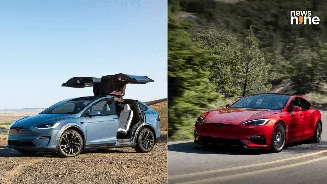
confidently declared the end of gasoline and diesel-powered vehicles, fueling a widespread belief that their era was over. Governments even began setting arbitrary deadlines for phasing them out. However, the ICE has proven remarkably resilient. Manufacturers globally, whose economies were built on ICE production, have worked to transition to electric vehicles (EVs). Yet, the ICE remains a dominant force, and hybrid technologies are continuously improving. Furthermore, numerous car manufacturers have publicly acknowledged setbacks in their EV strategies, with projects being delayed, canceled, or re-routed to hybrid systems. This trend is nearly universal, with the notable exceptions of Chinese automakers and Tesla, whose focus has reportedly shifted towards robotics.
EV Sales Hurdles
Several significant factors are currently hindering widespread EV adoption. A primary concern is the profitability of manufacturing and selling EVs, which remains a challenge unless a company has an exceptionally low-cost production base. This issue is compounded by China's dominant position in the battery supply chain. Another critical point is the rapid depreciation of used EVs, which lose value at an alarming rate. Additionally, the urgency around environmental collapse, once a powerful sales driver, has somewhat waned, with predictions of catastrophic change failing to materialize as anticipated. The environmental credentials of EVs themselves are also being questioned, especially considering that the production of electricity, which powers them, is a major global source of CO2 emissions.
The Future Landscape
While renewable energy generation is on the rise and EV technology is improving, the pace of EV adoption has fallen short of earlier optimistic projections. For countries like India, EVs offer potential benefits by reducing oil import dependency, and a low-cost manufacturing base could enable affordable sales. Nevertheless, it is becoming increasingly evident that internal combustion engines are here to stay for the foreseeable future. Innovations in ICE technology, such as electrification for greater efficiency, the development of synthetic fuels, and advanced blends, are making them more competitive. As ICE engines continue to improve, the pressure mounts for EVs to overcome their current limitations. The automotive industry is dynamic, and relying solely on one imperfect technology may not be the wisest approach, suggesting a period of coexistence and continued evolution for both ICE and EV technologies.