
Budget's Impact Examined
The Union Budget for 2026-27 is poised to be a significant influence on the auto industry. Expectations within the sector are high, as the budget often
sets the stage for policy changes and financial allocations that can either stimulate or restrain growth. For consumers, the budget's decisions on taxes, duties, and incentives will directly affect the affordability and desirability of new vehicles. These measures could lead to price adjustments, potentially swaying purchasing decisions. The automobile industry will closely watch for support measures like infrastructure development, which indirectly influence vehicle sales, and manufacturing incentives that may bolster local production and technological advancements.
Midsize Sedan Surge
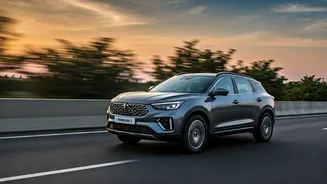
The year 2026 is shaping up to be a pivotal time for midsize sedans in the Indian market. Several factors are contributing to this trend, including evolving consumer preferences that highlight practicality and comfort. These sedans offer a balance of features, performance, and fuel efficiency, making them attractive to a wide array of buyers. Moreover, manufacturers are expected to roll out new models and enhancements to existing ones, further fueling market interest. This focus includes incorporating advanced technology, safety features, and aesthetic improvements to attract a wider consumer base. The competitive landscape will likely intensify as brands strive for market share, which will benefit consumers through improved value and a broader selection of vehicles.
Premium Bike Hurdles
The Indian premium bike segment might face challenges in 2026. Several factors could contribute to this scenario, including intensified competition from both established players and emerging brands. Economic conditions, such as inflation and fluctuations in disposable income, also play a crucial role in shaping consumer demand within this high-end segment. Governmental regulations, including emissions standards and safety norms, continue to increase the operational costs for manufacturers, which in turn might impact pricing. Further, shifting consumer preferences and the availability of alternative transportation options might influence buyer choices, thus affecting the growth trajectory of the premium bike market. Industry experts are therefore carefully assessing the dynamics to anticipate potential shifts and adapt strategies accordingly.
Model Introductions Teased
Several car models are making news, stirring anticipation among auto enthusiasts. The Mercedes-AMG CLE Mythos with a V8 engine is being teased, which hints at powerful performance and luxurious features. The BMW X3 30 xDrive M Sport Pro also generates excitement, indicating advanced technology and sporty design elements. These introductions signify manufacturers' commitment to bringing in new and updated models to cater to evolving consumer tastes. Further, there is news about scooter releases like the Vespa 946 horse edition, which signals a continued interest in premium two-wheeler options. These diverse launches underscore the dynamic nature of the automotive sector, with brands constantly innovating to provide fresh and exciting choices for consumers.
Consumer Impact Defined
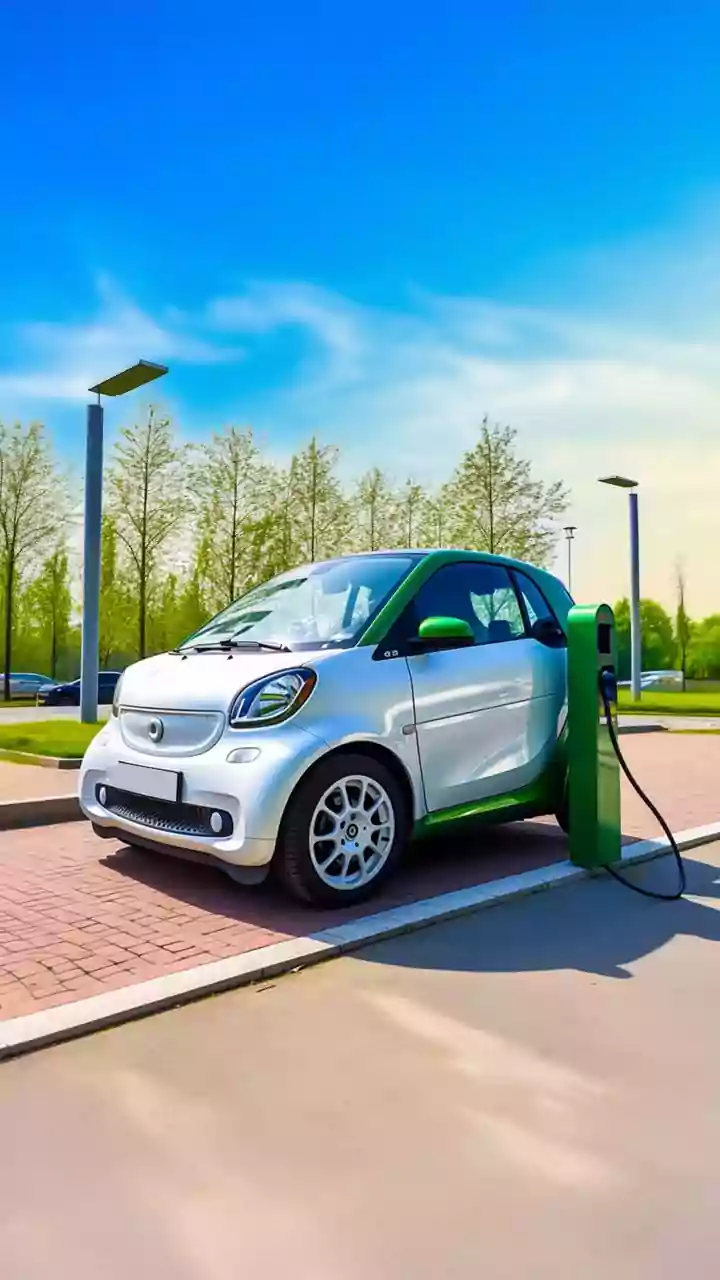
In the upcoming year, the Union Budget’s impact on the automobile industry will extend to consumers, shaping their experiences and decisions. Changes in taxation and duties will directly influence vehicle prices, potentially affecting affordability and purchasing power. Incentives, if any, could make certain vehicles more attractive, driving demand in specific segments. Developments in infrastructure, supported by governmental spending, can also impact consumers by improving road connectivity and enhancing the overall driving experience. Furthermore, government policies regarding electric vehicles (EVs) and sustainable transportation will play a role in shaping consumer preferences and the evolution of the auto market. Consumers must also take into consideration how these factors will directly influence their automotive choices.