




ADAS Takes Center Stage
Advanced Driver-Assistance Systems (ADAS) are projected to become a standard feature in vehicles by 2026. This move signifies a shift towards enhanced
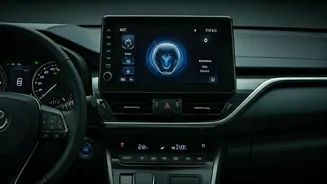
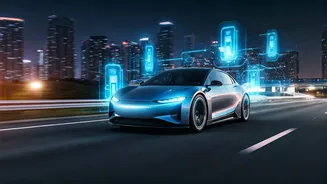
safety and convenience for drivers. ADAS encompasses technologies like automatic emergency braking, lane departure warning, adaptive cruise control, and blind-spot monitoring. Initially found in luxury vehicles, these features are becoming more affordable and accessible, making their way into a wider range of cars. The integration of ADAS aims to reduce accidents by assisting drivers and taking over certain driving tasks. This mainstream adoption of ADAS highlights a commitment to improving road safety and paving the way for more automated driving capabilities in the future.
EVs Surge Forward
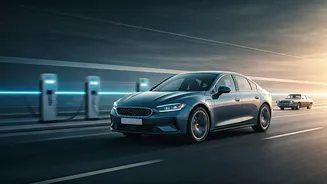
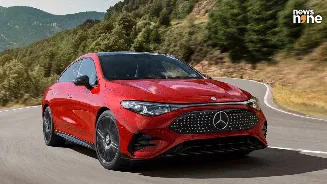
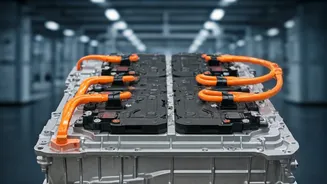
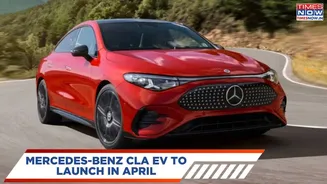
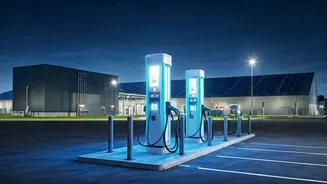
The electric vehicle (EV) wave is expected to hit full throttle in 2026, as EV adoption gains momentum. This growth is driven by advancements in battery technology, expanding charging infrastructure, and increasing consumer interest in sustainable transportation. Government incentives and stricter emission regulations further support the transition to EVs. The rising popularity of EVs is expected to influence automotive design, manufacturing processes, and the entire supply chain. Automakers are investing heavily in EV development, introducing a wide array of electric models. This shift towards EVs signifies a significant step in reducing carbon emissions and promoting a cleaner environment within the automotive sector. The expansion of EV models available in the market are bound to be a catalyst in the automobile industry.
Hydrogen Cars Emerge
Hydrogen cars are anticipated to start making their presence felt in the automotive landscape in 2026. These vehicles, powered by hydrogen fuel cells, offer a zero-emission alternative to gasoline-powered cars and even EVs with longer driving ranges and faster refueling times. While the hydrogen infrastructure is still under development, automakers are investing in hydrogen fuel cell technology. Early adopters are anticipated to be concentrated in regions with developed hydrogen refueling stations. Hydrogen cars represent an innovative approach to sustainable transportation, and their entry into the market is a noteworthy development. Their expansion may be slower compared to EVs, but they do promise an additional avenue for sustainable mobility, offering consumers more environmentally friendly choices.