




Engine and Radiator Concerns
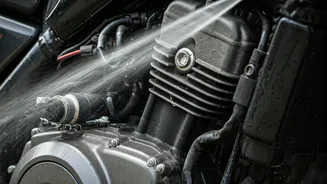
The engine and its cooling system are prime examples of components requiring a gentle touch. High-pressure water can force its way into intricate seals
and bearings within the engine, leading to premature wear or corrosion. Similarly, the radiator fins, designed for efficient heat dissipation, are delicate. A forceful blast can bend or damage these fins, significantly reducing the radiator's ability to cool the engine, potentially leading to overheating issues. Instead of high pressure, opt for a low-pressure rinse with soapy water and a soft brush for these areas, ensuring thorough but gentle cleaning.
Electrical Components and Connectors
Motorcycles are packed with sensitive electrical components, from the ECU (Engine Control Unit) to various sensors and wiring harnesses. A high-pressure spray can easily drive water into electrical connectors, causing corrosion, short circuits, or complete failure of vital systems. This can manifest as erratic performance, warning lights, or even a non-starting bike. Protecting these delicate circuits is paramount. Always avoid direct high-pressure spraying on the battery terminals, fuse boxes, and any visible wiring. A light mist or gentle wipe-down with a damp cloth is the safest approach for these sensitive areas.
Bearings and Seals
Components like wheel bearings, swingarm bearings, and suspension linkages rely on seals to keep lubrication in and contaminants out. High-pressure water is powerful enough to breach these seals, washing away essential grease and introducing grit and water. This contamination accelerates wear, leading to noisy, stiff bearings and eventually costly replacements. For these parts, a meticulous cleaning approach is necessary. Use a soft brush and appropriate degreaser, followed by a gentle rinse, ensuring you don't blast water directly at any bearing or seal assembly. Proper lubrication after cleaning is also critical.
Air Intake and Filters
The motorcycle's air intake system, including the air filter, is designed to allow air in while keeping debris out. Spraying high-pressure water directly into the air intake can saturate the air filter, rendering it ineffective and potentially drawing water into the engine's combustion chamber. A wet air filter restricts airflow, negatively impacting performance and fuel efficiency. If the air filter needs cleaning, remove it according to the manufacturer's instructions and clean it using approved methods, typically involving specialized cleaners and compressed air, rather than high-pressure water.
Fuel System Components
The fuel system, including fuel injectors, fuel pump areas, and related hoses, can also be damaged by excessive water pressure. While not as immediately catastrophic as electrical damage, water ingress can lead to corrosion within the fuel lines or injectors over time. Furthermore, harsh water jets can potentially dislodge or damage delicate seals and O-rings that are crucial for maintaining fuel pressure and preventing leaks. It's best to clean around these areas with gentle methods, such as a damp cloth or a very low-pressure rinse from a distance, to avoid any potential long-term issues.