





Exterior Evolution Ahead
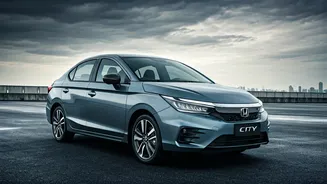
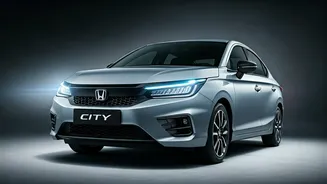
The latest iteration of the Honda City is gearing up for a significant makeover, as evidenced by recent spy shots from Brazil. Camouflage couldn't hide
the redesigned front grille and a more assertive bumper design, which seem to draw inspiration from the contemporary Honda Civic, imbuing the sedan with a sharper, more dynamic stance. While the overall silhouette and dimensions are expected to remain largely consistent with the current model, subtle adjustments, possibly including new alloy wheel designs and tweaked rear bumper elements, will contribute to its updated aesthetic. These visual enhancements are crucial for the City to maintain its appeal in a segment that has seen recent introductions and refreshes, ensuring it remains a strong contender against its direct competitors.
Interior Refinements Detailed
Inside, the 2027 Honda City facelift is set to offer a refreshed cabin experience, primarily through updated seat upholstery that will likely provide a more premium feel. Core interior elements are expected to be carried over, including the well-received 8-inch touchscreen infotainment system, which boasts seamless wireless connectivity for both Apple CarPlay and Android Auto. For the Indian market, there's a strong possibility of additional amenities being introduced to directly counter the features offered by rivals. These could include a 360-degree camera system for enhanced parking convenience and ventilated seats for improved comfort during warmer climates. High-demand features like ambient lighting, a PM 2.5 air filter, automatic climate control, and an 8-speaker audio system are anticipated to remain part of the package, ensuring a well-equipped interior.
Powertrain Consistency Confirmed
Significant mechanical changes are not anticipated for the upcoming facelift. The Indian version of the 2027 Honda City is projected to continue with its proven 1.5-litre i-VTEC petrol engine. This powerplant currently produces 121 horsepower and 145 Nm of torque, offering flexibility with either a 6-speed manual transmission or a Continuously Variable Transmission (CVT). The engine is already compliant with E20 fuel standards, reflecting current market requirements. It's worth noting that while the Brazilian market's City engine shares a similar displacement and design, it produces slightly different power outputs (126 hp with ethanol, 155 Nm, and 152 Nm with gasoline) and is paired with a 7-speed CVT. These variations in performance figures and transmission choices highlight distinct calibrations tailored to specific regional preferences and regulations, rather than identical powertrains.
Market Positioning and Launch
While an official launch timeline for the 2027 Honda City facelift in India has yet to be announced, the anticipated cosmetic and feature enhancements are clearly aimed at solidifying its competitive standing. The sedan segment is experiencing a resurgence in interest, with models like the refreshed Hyundai Verna already on the market, alongside other strong contenders such as the Skoda Slavia and Volkswagen Virtus. By introducing these updates, Honda intends to provide a compelling alternative that meets evolving customer expectations for style, technology, and comfort. The timing of these revisions is strategic, ensuring the City remains a relevant and attractive option as the automotive landscape continues to evolve, ahead of a potential next-generation model expected in 2028.