





Petrol Powertrain Debut
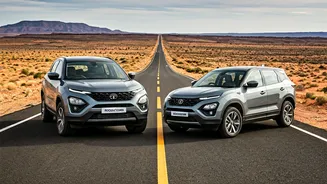
The first drive review focuses on the unveiling of the petrol-powered versions of the 2026 Tata Harrier and Safari, highlighting a significant change for
these SUVs. The introduction of a petrol engine marks a strategic move by the manufacturer to cater to a broader audience. The review probes whether this engine, dubbed 'Hyperion,' can meet the expectations set by enthusiasts and potential buyers alike. Key aspects that are evaluated include the engine’s refinement, power delivery across different driving conditions, and its overall responsiveness. This aims to assess if the petrol variant is a compelling alternative to the existing diesel offerings. The initial impression is crucial in understanding how this new powertrain aligns with the vehicle’s design and the brand's established reputation. The primary aim is to establish whether the 'Hyperion' engine enhances the overall driving experience and reinforces the SUVs' appeal in a competitive market.
Performance Analysis Unveiled
This section delves into a thorough examination of the 'Hyperion' engine's performance within the 2026 Tata Harrier and Safari. It thoroughly explores crucial parameters such as acceleration times, overtaking capabilities, and the engine’s overall responsiveness under varied driving scenarios. The review will critically analyze how the petrol engine handles both city commutes and highway cruising, providing insights into its versatility. Special attention is directed towards the engine's refinement level, including the assessment of noise, vibration, and harshness (NVH) levels. It is also important to assess the efficiency of fuel consumption and to compare its figures to competitors. Through this, it provides readers with a comprehensive understanding of the vehicle’s driving dynamics. By closely evaluating these performance aspects, potential buyers can make a well-informed decision about the suitability of the petrol version for their specific needs. The goal is to present a clear picture of what drivers can expect in terms of power, handling, and overall driving enjoyment.
Design and Interior Updates
The review investigates the exterior and interior design enhancements of the 2026 Tata Harrier and Safari. The emphasis is on identifying design improvements or modifications that distinguish the petrol models from their diesel counterparts. The section examines if the changes are largely aesthetic, or if they contribute to the vehicle's functionality and user experience. It will also closely analyze the interior layout, quality of materials used, and the integration of technology, with a focus on ease of use. The integration of advanced features such as infotainment systems, driver-assistance technologies, and connectivity options is also evaluated. The goal is to find out if the design updates enhance the overall premium feel and appeal of the SUVs, reflecting a modern approach. By addressing these design elements, the review aims to provide a holistic view of how well the 2026 Tata Harrier and Safari are positioned to captivate the modern consumer's preferences.
Tech, Space, & Style
This section assesses how well the 2026 Tata Harrier and Safari deliver on technology integration, interior space, and overall style. The review analyses the infotainment systems, driver assistance features, and connectivity options available. The analysis explores whether the design and layout of the cabin provide enough space for occupants and cargo, considering legroom, headroom, and storage solutions. The section considers the aesthetic elements of the vehicles, including their exterior appearance and the design choices. The aim is to gauge how well the SUVs have been designed, addressing both functional needs and style preferences. By assessing these aspects, the review provides an understanding of how these vehicles combine technological advancements, user-friendly space, and a refined appearance to meet consumer expectations.
Driving Experience Summary
The driving experience of the 2026 Tata Harrier and Safari is comprehensively summarized. The section synthesizes the key findings from previous sections, concentrating on the combined effect of the engine's performance, design, and technology on the overall driving experience. The review considers factors such as ride comfort, handling characteristics, and the intuitiveness of the controls. The assessment will also cover how the vehicle responds in different driving conditions. The purpose is to provide readers with a clear, concise overview of what it is like to drive these vehicles. This helps potential buyers to evaluate whether the vehicle meets their driving style and their individual requirements. The summary provides a direct look at the benefits of the vehicle and its drawbacks to make a final judgment.