




Traction and Stopping Power
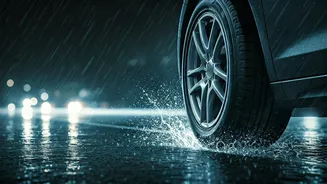
When the roads turn slick, your tires and brakes become your primary defense against skids and extended stopping distances. Ensuring your tires have sufficient
tread depth is paramount, as worn-out treads significantly diminish grip on wet surfaces, increasing the likelihood of hydroplaning – that terrifying moment when your vehicle loses contact with the asphalt. It's also crucial to maintain the correct tire pressure for your specific vehicle, as under or over-inflation can compromise handling. Similarly, your braking system needs to be in peak condition. Any signs of reduced responsiveness, unusual grinding noises, or a spongy pedal indicate that your brakes require immediate professional attention before heading out into inclement weather. A thorough inspection can prevent serious accidents.
Clear Vision Essentials
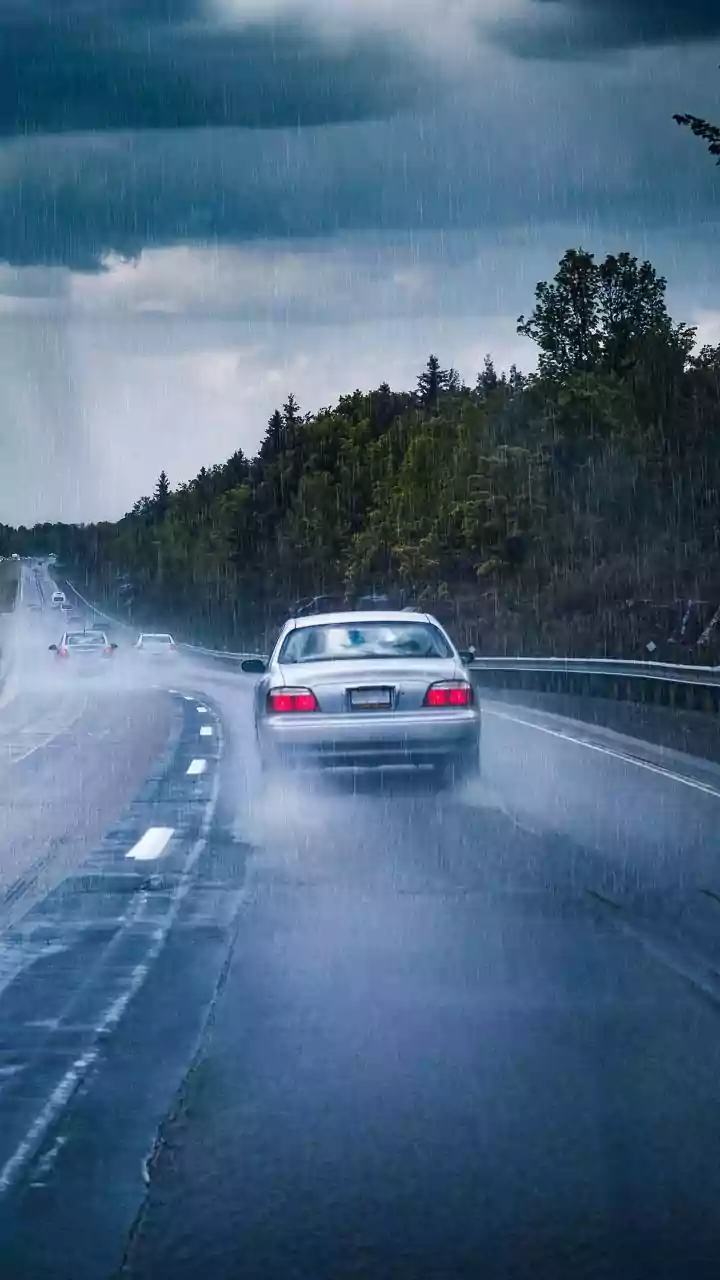
Visibility plummets during heavy downpours, making functional wipers and lights non-negotiable for safe driving. Your windshield wipers are your eyes on the road; if they chatter, skip, or leave streaks, they're not clearing water effectively and should be replaced. Beyond the windshield, ensure all your vehicle's lights are operational. This includes headlights for illuminating the path ahead, tail lights for signaling your presence to those behind, and turn indicators for clear communication of your intentions. In low-light, rainy conditions, these lights are critical for both your ability to see and your ability to be seen by other motorists, preventing potential collisions.
Electrical System Integrity
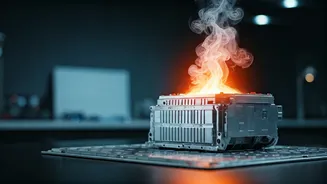
The moisture and humidity associated with rainy weather can pose a threat to your car's electrical components. A battery that's nearing the end of its lifespan might decide to give up unexpectedly, especially during a downpour when you need your car the most. It's wise to periodically check your battery terminals for any signs of corrosion, which can impede its performance. Furthermore, confirm that all your car's electrical systems are functioning as they should. This includes power windows, the defogger for clearing condensation from windows, and other essential electrics, ensuring everything works smoothly to maintain comfort and safety during your drive.
Vital Fluids and Engine Care
Maintaining optimal levels of essential automotive fluids is a fundamental aspect of car care, particularly before venturing out in adverse weather. Keep a close eye on your engine oil, coolant, and windshield washer fluid reservoirs to ensure they are filled to the recommended marks. These fluids are critical for your engine's smooth operation and your car's overall performance. Additionally, a significant concern during heavy rains is the potential for water ingress into the engine bay. It is strongly advised to steer clear of driving through deep waterlogged areas, as water entering the engine can lead to severe and costly damage, compromising your vehicle's functionality.
Monsoon Emergency Preparedness
Equipping your vehicle with an emergency kit is a prudent measure, especially during India's monsoon season. Such a kit can prove invaluable should you encounter unexpected roadside issues or significant delays due to weather conditions. Essential items to include are a reliable flashlight for visibility in dark situations, a basic set of tools for minor repairs, a comprehensive first-aid kit to address any immediate medical needs, and a phone charger to ensure you can stay connected. Being prepared with these provisions offers peace of mind and practical assistance when navigating the challenges of monsoon travel.