



Strategic Parking Choices
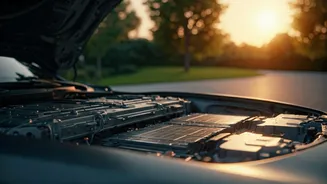
When the sun blazes, where you park your electric vehicle makes a significant difference to its battery health. Opting for shaded spots, whether under
trees, in a multi-story car park, or under a carport, is your first line of defense. Direct sunlight can dramatically increase the battery's temperature, leading to accelerated degradation over time. If shade is unavailable, consider using a reflective windshield sunshade to minimize solar heat absorption. Even parking on the cooler side of a building can offer some respite. The goal is to reduce the direct thermal load on the battery pack, preventing it from reaching potentially damaging high temperatures that can impact its efficiency and lifespan, especially during prolonged periods of inactivity.
Mindful Charging Habits
How and when you charge your EV during summer plays a crucial role in battery preservation. Avoid charging your vehicle to 100% unnecessarily, as a fully charged battery is more susceptible to heat damage. Aiming for an 80-90% charge is often sufficient for daily use and puts less strain on the battery. Furthermore, it's wise to charge your EV during cooler parts of the day, such as early morning or late evening, rather than during the peak heat of the afternoon. This allows the battery to manage its temperature more effectively during the charging cycle. Plugging in immediately after a drive can also be detrimental if the battery is already warm; allowing it to cool slightly first is advisable.
Limit Fast Charging
While fast charging is incredibly convenient, it's best to use it sparingly during hot summer months. DC fast charging generates a significant amount of heat as a byproduct of the rapid energy transfer. When the ambient temperature is already high, this additional heat can push the battery beyond its optimal operating range, potentially leading to faster wear and tear. For daily commuting or shorter trips, Level 1 or Level 2 charging is a gentler option that generates less heat and is thus more conducive to battery longevity. Reserve fast charging for long journeys where it's a necessity, and consider charging during cooler times if possible.
Utilize Cabin Preconditioning
Many modern EVs come equipped with a cabin preconditioning feature, which is a battery's best friend in summer. This function allows you to cool down the car's interior and, importantly, the battery pack before you start driving, all while the vehicle is still plugged in. By using this feature, you're not relying solely on the battery's own energy to cool the cabin once you're on the road, which would otherwise drain it and potentially heat it up. Preconditioning ensures that the car starts at a comfortable temperature, and the battery is brought to an optimal state without depleting its charge or generating excess heat.
Manage Driving Range Wisely
Be mindful of your driving range and plan your journeys to avoid running the battery extremely low during hot weather. A battery that is nearly depleted can be more sensitive to temperature fluctuations. Try to keep your battery charge level within a moderate range, avoiding both extremely low and extremely high states of charge when possible, especially during prolonged exposure to heat. This proactive approach to managing your battery's energy levels can contribute to its overall health and prevent unexpected performance issues caused by heat stress.
Regular Battery Monitoring
Keep an eye on your EV's battery health indicators and performance metrics. Most electric vehicles provide a battery management system that can alert you to any anomalies or potential issues. Regularly checking the vehicle's display for any unusual warnings related to battery temperature or performance can help you catch problems early. If you notice a significant drop in range that isn't attributable to driving habits or temperature, or if the battery feels unusually hot to the touch after a drive, it's worth consulting your owner's manual or a qualified service technician.
Maintain Proper Tire Inflation
While seemingly unrelated, maintaining correct tire pressure is an indirect yet important aspect of EV battery care during summer. Underinflated tires create more rolling resistance, forcing the motor to work harder and consume more energy. This increased energy demand can lead to higher operating temperatures for both the motor and, by extension, the battery pack. Regularly checking and adjusting your tire pressure to the manufacturer's recommended levels ensures optimal efficiency, reduces unnecessary strain on the powertrain, and helps maintain a more stable battery temperature by minimizing energy expenditure.
Annual Battery Check-ups
Just like any critical component of your vehicle, your EV's battery can benefit from regular professional inspections. Schedule annual check-ups with your authorized service center, especially before the peak summer season. A technician can assess the battery's overall health, check for any signs of wear or damage, and ensure that the battery management system is functioning correctly. Early detection of potential issues through these professional check-ups can prevent minor problems from escalating into more significant and costly repairs, ensuring your EV battery remains in top condition throughout the summer and beyond.