




Duster's Hybrid Future
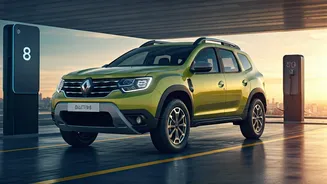
The 2026 Renault Duster is slated to feature a strong hybrid powertrain. This indicates a shift towards more fuel-efficient and environmentally conscious
vehicles. The move is a strategic one, aligning with global trends favoring hybrid technology. The strong hybrid system could provide improved fuel economy and reduced emissions. This powertrain choice underscores the Duster's commitment to adapting to evolving consumer demands and regulatory requirements. The technology should improve overall performance. This could include quicker acceleration and smoother transitions between electric and combustion engine operation. This change puts the Duster in a position to compete effectively in the market, appealing to a segment of consumers who prioritize efficiency without compromising performance.
Aggressive Product Strategy
Renault's plans include an aggressive product push, with new models expected every year. This strategy suggests the company's commitment to expanding its market presence and providing consumers with fresh options. The approach includes a series of new releases to keep the product line updated and competitive. This proactive stance suggests Renault is seeking to capture a larger share of the automotive market. This includes launching new models that could potentially cater to different customer segments. This continuous influx of new models is expected to maintain consumer interest and solidify Renault's reputation in the automotive sector. This commitment will be a crucial factor in determining its long-term success.
Market Competition Ahead
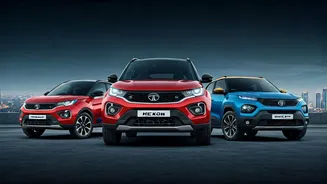
The 2026 Duster is set to face a competitive market. Rivals like the Sierra, Seltos, and others are also expected to make their mark. These competitors will present significant challenges, forcing Renault to differentiate the Duster to attract customers. Key features like performance, fuel efficiency, and technological advancements are likely to play critical roles in the competition. Effective marketing and pricing strategies will be essential for the Duster's success. The ultimate success will depend on how the Duster is positioned against its rivals, considering both its strengths and weaknesses. The market dynamics in 2026 are likely to be heavily influenced by these different models.
FTA Impact on Cars
The India-EU FTA agreement brought about a reduction in import duties for European cars, decreasing to 10%. This policy change could have an impact on the automotive market, making certain European vehicles more accessible to Indian consumers. Lower import duties may lead to more competitive pricing of European cars, which could increase their popularity and sales within India. The agreement may indirectly influence the consumer choices and purchasing patterns. The impact of the FTA goes beyond simply lowering prices, as it may affect the distribution channels and marketing strategies of auto companies operating in India. The long-term effects of this agreement on the Indian automotive market remain to be seen, but the initial impact is set to be significant.