







Smart Parking Strategies
When the sun beats down intensely, where you park your car makes a significant difference. Prioritize shaded spots whenever you can, or opt for covered
parking facilities to shield your vehicle from direct solar radiation. This simple act dramatically reduces the internal temperature of your car's cabin, preventing the dashboard, seats, and steering wheel from becoming uncomfortably hot. Furthermore, parking out of direct sunlight helps to slow down the degradation of interior materials over time. A basic windshield sunshade can also be incredibly effective in deflecting sunlight and maintaining a cooler environment inside, ensuring a more pleasant return to your vehicle, even after a short stop.
Pre-AC Ventilation
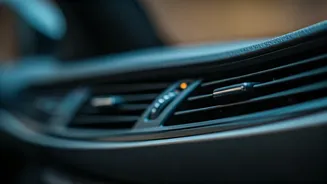
Before you even think about flicking on the air conditioning, give your car's interior a chance to breathe. When your car has been sitting in the heat, the air inside can become stiflingly hot. Rolling down all the windows for about 30 seconds to a minute before activating the AC allows this superheated air to escape. This initial ventilation significantly lessens the workload on your air conditioning system, making it much more efficient in bringing the cabin temperature down to a comfortable level. It also helps prevent undue stress on the AC components, potentially extending their lifespan and reducing the risk of a breakdown during peak heat.
AC Use Wisely
While the temptation to blast the air conditioning to its coldest setting immediately is strong during a heatwave, it's actually more beneficial for your car and your fuel efficiency to cool down gradually. Setting the AC to its maximum cooling power right away places a heavy demand on the system, leading to increased fuel consumption and potential strain on the engine. Instead, start with a moderate setting and gradually lower it as the cabin cools. This approach allows the AC to work more steadily and effectively, providing a more consistent and comfortable temperature without overtaxing the vehicle's components, especially crucial when driving in the extreme conditions of a heatwave.
Monitor Engine Heat
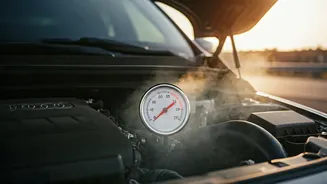
Extreme temperatures place a considerable burden on your car's engine, increasing the likelihood of overheating. It is vital to keep a close watch on the engine temperature gauge, which is typically located on the dashboard. Ensure that your coolant levels are consistently maintained at the recommended mark, as adequate coolant is essential for dissipating heat. If you notice the temperature gauge climbing into the red zone or any engine warning lights illuminate, it's imperative to find a safe place to pull over immediately. Once stopped, turn off the engine and allow it ample time to cool down completely before attempting to check anything further, such as the coolant level.
Tyre Pressure Checks
Heat significantly impacts the air pressure inside your car's tires. As temperatures rise, the air within the tires expands, leading to increased pressure. It's crucial to check your tyre pressure more frequently than usual during a heatwave, especially before embarking on longer journeys. Over-inflated tires are more susceptible to wear and can be a major cause of blowouts, particularly at high speeds on highways. Maintaining the correct tyre pressure, as recommended by your vehicle manufacturer, is essential for safety, fuel efficiency, and extending the life of your tires, preventing potentially dangerous situations on the road.
Hydration Essentials
Staying hydrated is paramount when driving during hot weather, as heat exhaustion can set in surprisingly quickly, impairing your ability to drive safely. Always make it a habit to keep a sufficient supply of drinking water inside your car, especially if you anticipate a long drive or anticipate encountering significant traffic delays during the peak summer heat. Having water readily accessible can make a critical difference in preventing dehydration and maintaining alertness. This simple precaution can ensure you remain comfortable and focused behind the wheel, even when the mercury is soaring.
Cabin Safety First
Under no circumstances should children or pets be left unattended inside a parked vehicle during a heatwave, not even for a few minutes. The interior of a car can heat up to dangerously high temperatures very rapidly, posing a severe risk to life. Even if windows are slightly ajar, the internal temperature can still climb to life-threatening levels within a short period. Prioritizing the safety of vulnerable passengers by never leaving them in a hot car is an absolute necessity and a non-negotiable rule during these extreme weather conditions.
Journey Timing
When planning extended road trips or drives that will cover significant distances, it's wise to schedule your travel during the cooler parts of the day. Opting for early morning departures or late evening journeys can help you avoid the most intense heat of mid-day. During these peak hours, not only are ambient temperatures at their highest, but roads also absorb and radiate significant amounts of heat, further exacerbating the warmth. Traveling during cooler periods makes for a more comfortable and safer driving experience for both you and your vehicle.
Interior Protection
The intense heat of a summer day can have a detrimental effect on your car's interior surfaces. Leather seats, the dashboard, and even touchscreens can become extremely hot to the touch, posing a burn risk and potentially causing long-term damage like cracking or fading. To mitigate these effects, consider using seat covers, a steering wheel wrap, and the aforementioned windshield sunshade. These measures not only protect the materials from sun damage but also ensure a more comfortable and safe environment for occupants when they enter the vehicle.
Heed Warning Signs
During a heatwave, even minor vehicle issues can escalate quickly into major problems. It's crucial to pay close attention to any unusual signs your car might exhibit. This includes paying heed to any strange smells emanating from the vehicle, unexpected warning lights illuminating on the dashboard, or a noticeable decrease in performance. These indicators could signal underlying issues that are being exacerbated by the heat. Addressing these concerns promptly is key to preventing more serious and potentially costly breakdowns when temperatures are soaring.