






Chain Care Crucial
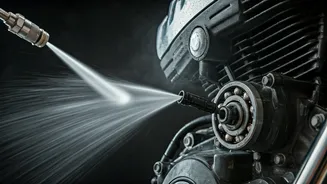
Your motorcycle's chain is a vital component that thrives on lubrication, not forceful water intrusion. Employing a high-pressure jet directly onto the
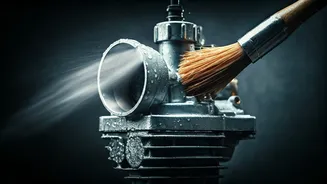
chain is a recipe for disaster, as it can effectively blast away essential grease and push grit deep into its intricate links. This contamination not only accelerates wear, leading to a noisy chain and reduced lifespan, but also significantly increases the risk of rust formation, especially in humid conditions. Instead of resorting to aggressive washing, a more effective and safer approach involves using a dedicated brush to clean the chain thoroughly, followed by the careful application of a quality chain lubricant. This method ensures the lubricant remains where it's needed, protecting the chain and guaranteeing smoother operation for countless miles ahead. Adhering to this gentle cleaning protocol is paramount for maintaining the integrity and longevity of your bike's drivetrain.
Electricals: Handle with Care
Modern motorcycles are sophisticated machines packed with sensitive electrical components, making them particularly vulnerable to high-pressure water. Directly aiming a pressure washer at wiring harnesses, intricate sensor connectors, the battery terminals, or the fuse box is one of the most damaging mistakes a rider can make. Water forced into these delicate connections can easily lead to short circuits, corrosion, and intermittent sensor failures that can be incredibly difficult and costly to diagnose and repair. With the increasing complexity of motorcycle electronics, it's imperative to be extremely cautious. Always maintain a safe distance and avoid directing any powerful spray towards these vulnerable electrical systems to prevent future headaches and ensure reliable performance.
Guard Wheel Bearings
While wheel bearings are typically sealed units designed to keep contaminants out, they are not entirely impervious to the relentless force of a pressure washer. Prolonged exposure to high-pressure water, especially directed around the wheel hubs and axles, can gradually compromise these seals. Once moisture infiltrates the bearing's protective casing, it can lead to premature wear, reduced bearing efficiency, and the dreaded development of unusual noises during wheel rotation. Many experienced mechanics can attest to seeing significantly shortened bearing lifespans in motorcycles that are routinely subjected to aggressive high-pressure cleaning techniques. Therefore, exercising extreme care and opting for gentler cleaning methods around the wheels is essential for preserving their smooth operation and preventing premature failure.
Exhaust Tip Prudence
The exhaust system, particularly the tip, should be treated with a degree of respect when cleaning your motorcycle. Spraying high-pressure water directly into the exhaust opening can force moisture deeper into the internal components of the silencer. If this trapped water doesn't evaporate properly, it can contribute to the gradual formation of internal rust, which can subtly alter the exhaust's acoustic properties over time. Rather than attempting to blast away dirt with intense water pressure, a more sensible approach involves using a soft cloth to gently wipe down the exhaust area. This ensures that cleaning is effective without risking the introduction of damaging moisture into the exhaust system's sensitive internal structure.
Dashboard's Delicate Nature
The motorcycle's dashboard, encompassing digital instrument clusters and intricate switchgear, is a hub of sensitive electronics and controls. These areas are particularly susceptible to damage from the concentrated force of a pressure washer. Direct, high-pressure spraying can easily dislodge or damage buttons, cause condensation to fog up display screens, or even interfere with the functionality of touch-sensitive controls found on newer models. The repair costs associated with damage to these integrated units can be substantial. For this reason, it's always advisable to use a soft cloth and a gentle wiping motion when cleaning around the dashboard to preserve its integrity and avoid costly replacements.