







Engine Essentials
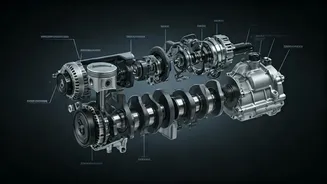
The engine is the heart of any vehicle. Understanding its core components is fundamental. The internal combustion engine (ICE) uses pistons that move up
and down within cylinders, compressing a mixture of fuel and air. This process generates the power that drives the vehicle. Key components include the crankshaft, which converts the reciprocating motion of the pistons into rotational motion; the camshaft, which controls the opening and closing of valves; and the spark plugs, which ignite the fuel-air mixture. The engine's efficiency and performance are greatly influenced by how these components work together. Regular maintenance, such as oil changes and spark plug replacement, is crucial to ensure the engine runs smoothly and efficiently over time. It is also important to understand the different types of engines, such as gasoline, diesel, and hybrid, each of which has unique characteristics and requirements. Modern engines incorporate sophisticated technologies, like turbochargers and direct injection, to boost power and fuel efficiency. Learning to identify engine problems, such as unusual noises or loss of power, is important for preventing serious damage. The engine is the most expensive part of the vehicle, so proper maintenance can prolong its lifespan.
Vehicle Systems Demystified
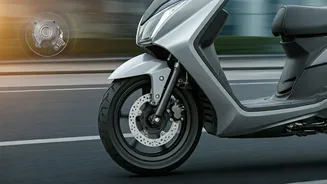
Beyond the engine, various systems work in harmony to control a vehicle. The braking system, composed of brake pads, rotors, and calipers, is vital for safety. When the brake pedal is pressed, hydraulic pressure is created, forcing the brake pads to squeeze against the rotors, slowing down or stopping the vehicle. Anti-lock Braking Systems (ABS) prevent wheel lockup during hard braking, ensuring that the driver maintains steering control. The suspension system, which includes springs, shocks, and struts, absorbs road shocks, ensuring a comfortable ride and keeping the tires in contact with the road. The steering system, consisting of the steering wheel, steering column, and various linkages, allows the driver to control the direction of the vehicle. Modern vehicles are equipped with electronic stability control (ESC) systems, which help to prevent skidding and loss of control. Understanding these systems ensures that the car is running safely and efficiently. Proper maintenance, which includes regularly checking brake pads, fluid levels, and suspension components, plays a key role in the vehicle's optimal performance. Furthermore, knowing the warning signs of system failures, such as unusual noises or reduced braking efficiency, can alert drivers to seek timely repairs and keep them safe on the road.
Maintenance Must-Knows
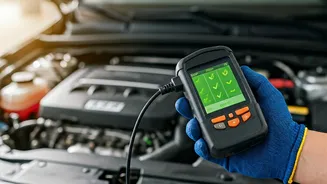
Regular maintenance is the key to vehicle longevity and reliability. Oil changes are essential to keep the engine running smoothly, as oil lubricates moving parts and reduces friction. Following the manufacturer's recommended service intervals is crucial. Tire maintenance, which involves checking tire pressure, rotating tires, and inspecting for wear and tear, ensures safe handling and optimal fuel efficiency. Replacing the air filter and fuel filter at the recommended intervals keeps the engine running efficiently. Checking and topping off fluids such as coolant, brake fluid, and power steering fluid is essential to keep all systems running smoothly. Periodic inspections, including a thorough examination of brakes, suspension components, and belts, can identify potential problems before they escalate. Addressing minor issues promptly prevents more costly repairs in the future. Keeping track of maintenance records helps in planning and scheduling future service, along with aiding in the vehicle's overall value. By making maintenance a priority, owners can extend the life of their vehicles and reduce the risk of unexpected breakdowns.
Key Terminology Explained
Understanding common automotive terms is vital for every car owner. Terms such as 'horsepower' (hp) and 'torque' are measures of engine power and its ability to rotate the wheels. Horsepower refers to the rate at which work is done, while torque represents the rotational force. The 'transmission' is a system that transfers power from the engine to the wheels, with automatic and manual transmissions being the primary types. 'Fuel efficiency,' measured in miles per gallon (MPG), indicates how far the vehicle can travel on a single gallon of fuel. 'Curb weight' refers to the weight of the vehicle with all fluids and standard equipment, but without occupants or cargo. 'VIN' (Vehicle Identification Number) is a unique code that identifies a specific vehicle. 'Catalytic converter' is a component that reduces harmful emissions. Familiarity with these terms empowers drivers to communicate with mechanics more effectively and make informed decisions about their vehicles. Also, it's essential to understand the differences between various car parts, such as spark plugs, belts, and hoses. Learning these terms is an essential step toward becoming a more informed car owner.