



Unpacking Vehicle Papers
Before handing over any cash for a used car, delving into its documentation is paramount. You absolutely must verify the authenticity and validity of the registration
certificate (RC), current insurance policy, and pollution under control (PUC) certificate. Examining the service history booklet can also reveal a lot about the vehicle's past upkeep. Crucially, confirm that the ownership details are clean and that there are no outstanding loans or any form of legal encumbrance tied to the car. This thorough document check acts as your first line of defense against future complications and ensures you're buying a legitimate vehicle.
Scrutinizing Car's Condition
Moving beyond the paperwork, a meticulous physical inspection is non-negotiable. Examine every inch of the car's exterior, from the paintwork to the body panels, looking for any signs of rust, significant dents, or areas that appear to have been repainted. Uneven gaps between panels can often hint at past accident damage that wasn't professionally repaired. Inside, check for wear and tear on seats, the dashboard, and all controls. Don't forget to inspect the condition of the tires for adequate tread depth and look over all lights, ensuring they are functioning correctly. A keen eye here can uncover hidden issues that might otherwise go unnoticed.
Service & Maintenance Trail
Understanding how a car has been treated throughout its life is crucial. Always request and carefully review the complete service and maintenance records. This documentation provides insight into whether the previous owner was diligent about regular upkeep. Cars that have consistently been serviced at authorized service centers or by reputable mechanics usually signify responsible ownership and better mechanical health. It helps paint a picture of the car's past and can be a strong indicator of its future reliability. A well-documented maintenance history is a significant plus point.
Engine Health Check
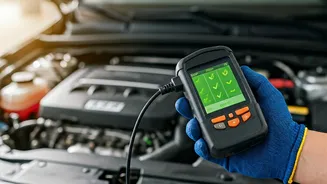
The heart of any car is its engine, so a thorough assessment of its health is vital. When you start the engine, pay close attention to any unusual noises, knocking sounds, or rough idling. Look for any visible signs of oil leaks around the engine block or under the car. Observe the exhaust for excessive smoke, which could indicate internal problems. A smooth, consistent idle and a general lack of vibrations when the engine is running are positive signs of good mechanical condition. Don't hesitate to spend time listening and observing to catch any potential red flags.
The All-Important Test Drive
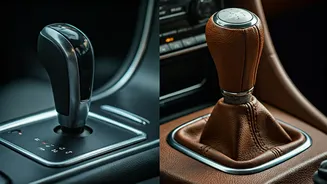
No used car purchase is complete without a comprehensive test drive. This isn't just a short spin around the block; you need to experience the car in various driving conditions, including city traffic and potentially some highway speeds. During the drive, focus intently on the braking system's responsiveness, the steering's precision, and how smoothly the gears engage. Listen for any strange noises from the suspension over bumps and assess the overall comfort of the ride. This practical evaluation offers invaluable insights into the car's performance and handling that static checks cannot provide.