





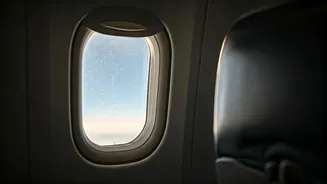
Safety During Critical Phases
During the initial ascent and final descent of an aircraft, known as takeoff and landing, the plane is at its most vulnerable. These are the moments when
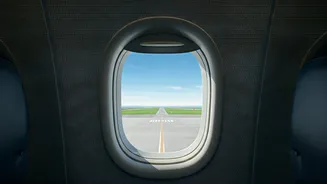
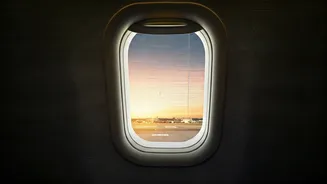
any unexpected issue demands swift and immediate attention. Having the window shades open during these periods serves a dual purpose: it allows passengers to observe their surroundings, potentially spotting any anomalies, and crucially, it enables the cabin crew to maintain a vigilant watch on the exterior. This visual access is paramount for early detection of potential hazards like smoke or fire originating from the engines or wings, allowing for proactive responses that can mitigate risks significantly.
Crew Awareness and Evacuation
In the unfortunate event of an emergency, open window shades become an indispensable tool for the flight attendants. Their ability to quickly survey the external environment through the windows is vital for making split-second decisions. Specifically, they can ascertain which side of the aircraft presents the safest egress in a potential evacuation scenario. If one side is compromised by fire, structural damage, or debris, the crew can efficiently direct passengers towards the unaffected side, saving precious time and ensuring a more orderly and secure escape, thereby enhancing overall passenger safety during a critical incident.
External Rescue Coordination
The benefit of open window shades extends beyond the aircraft's interior, playing a significant role in aiding external rescue efforts. When emergency services arrive on the scene, the ability for rescue personnel to peer inside the cabin through the windows provides them with immediate situational awareness. This quick visual assessment helps them understand the layout, identify potential obstacles, and gauge the severity of the situation within the aircraft, allowing them to formulate and execute their rescue strategies more effectively and precisely, ultimately contributing to a faster and more successful resolution.